Relations between Brasília and Buenos Aires, already downgraded to chargé d'affaires level since August, entered a new phase last week: Brazil's Ministério das Relações Exteriores (Ministry of Foreign Affairs), known as the Itamaraty, called in the diplomat running Argentina's embassy in Brazil to ask for an explanation of any role Argentine officials may have played in Senator Flávio Bolsonaro's departure from Brazilian territory.
The meeting took place on the afternoon of Thursday, 29 October. María Emilia Cortés, Argentina's chargé d'affaires in Brasília, was received by Ambassador João Marcelo Galvão de Queiroz, who heads the ministry's South America department. It was brief and, according to sources cited by CNN Brasil and Metrópoles, amounted to the delivery of a request for information.
Argentina's foreign minister, Pablo Quirno, denied on social media that Brazil had made any request for explanations. He did not dispute that the meeting happened.
The route, according to immigration records
Flávio Bolsonaro lost the presidential runoff to Luiz Inácio Lula da Silva on 25 October and said that same night that he would not recognise the result.
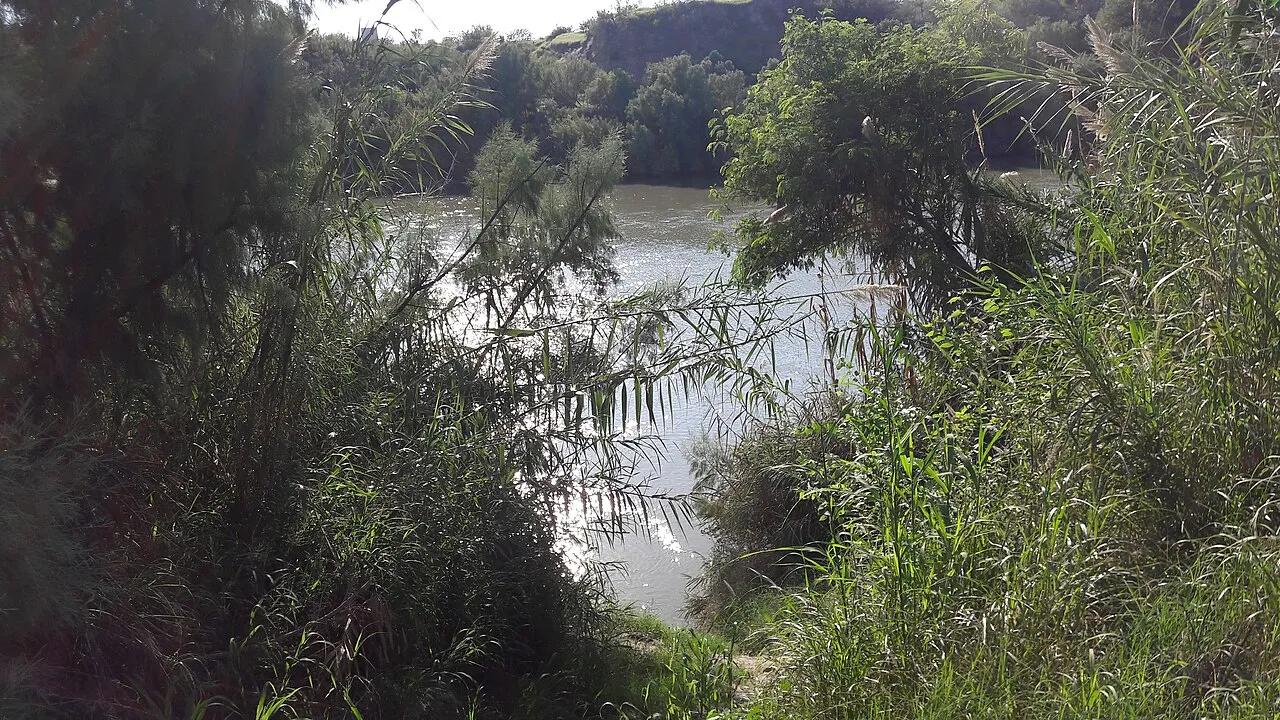
Records from Argentina's Dirección Nacional de Migraciones and from the flight-tracking service FlightAware, cited by CNN Brasil, describe this route: at 10:50 p.m. on Tuesday, 27 October, the senator, his wife, Fernanda, and their two daughters crossed the Tancredo Neves International Bridge from Foz do Iguaçu, in the state of Paraná, to Puerto Iguazú, in Argentina's Misiones province. At 11:30 p.m. they boarded a private flight operated by Baires Fly S.A.
The flight plan listed Guayaquil, Ecuador, as the destination. The aircraft landed there at 5:46 a.m., Brasília time, and took off about half an hour later for Florida, landing at Miami-Opa Locka Executive Airport at 10:31 a.m. According to Metrópoles, the senator travelled on an Italian passport; that outlet also reports that the White House assisted the operation and raises the possibility of involvement by the Casa Rosada, without presenting documentary proof of such involvement.
On the morning of 27 October, when the first reports of a border crossing circulated, allies denied he had left the country. Campaign coordinator Rogério Marinho (PL) summed up their version in two words: "He didn't leave."
The order he defied
On the night of the election itself, Justice Alexandre de Moraes of the Supremo Tribunal Federal (STF, Brazil's supreme court) ordered the cancellation of every passport in Flávio Bolsonaro's name and gave him 24 hours to surrender his ordinary and diplomatic documents, along with any foreign passports, to the Polícia Federal (Brazil's federal police). The ruling also barred him from leaving Brazil and from contacting his lawyer, Willer Tomaz. The decision is under seal and only became known on Monday, 26 October.
That day, in a video, the senator said he would comply and that the measure was political: "I never thought about leaving the country."
Flávio is the subject of three Polícia Federal investigations, including inquiries into suspected money laundering and illegal currency transfers, according to Metrópoles. The US State Department said it would grant visas to him and his family.
On the Argentine side, Deputy Marcela Pagano has asked the federal court in Puerto Iguazú to determine whether local officials helped with the crossing, and accuses Javier Milei's government of pressuring authorities and courts in Misiones. There is, so far, no proof of official Argentine involvement.
A crisis that began in July
The friction between the two governments did not start last week. In July, Milei spoke at the São Paulo event where the PL launched Flávio's presidential bid, calling Lula a "convict" and Justice Moraes "bald trash". The Itamaraty summoned the Argentine ambassador of the day. As the attacks continued, Brazil withdrew its ambassador from Buenos Aires and asked Argentina to withdraw its own from Brasília — which is how the Argentine mission came to be run by Cortés, after Ambassador Daniel Raimondi left in August.
A week after Lula's re-election, Milei remained the only South American president who had not congratulated him. In an interview with UOL columnist Janaína Figueiredo, published on 31 October, Celso Amorim, the presidency's special adviser for international affairs, noted the fact and ruled out a public response: "Look, [Argentina] is the only country in South America that has not congratulated President Lula." And on retaliating: "No, it isn't even called for. Let him talk to the walls, or to whoever he likes."
Amorim described the situation as "the worst moment in the Argentina-Brazil relationship, but not because of us", separating the politics from the practical agenda. He said there are no Argentine complaints about trade — "We have never received a single complaint of that kind; there is nothing. On the contrary: we want to continue the cooperation" — and that Brazil values nuclear cooperation between the two countries. He voiced concern about the possibility of a US military base in Argentina and about the country joining the so-called Shield of the Americas, while noting that Buenos Aires has the right to choose its partners.
The distinction Amorim draws helps gauge the real size of the crisis: the downgrade is diplomatic, not commercial. None of the steps taken so far touches the flow of goods, sectoral agreements or the joint nuclear programme.
The next encounter
Foreign ministers Mauro Vieira of Brazil, Pablo Quirno of Argentina and Marco Rubio of the United States are all expected at a G20 meeting in Atlanta this weekend. Asked whether the episode would come up, Amorim said that was the Brazilian minister's call: "Only Mauro knows what he is going to do."
With information from CNN Brasil, Metrópoles, Brasil de Fato, UOL, Brasil 247 and Agência Brasil.