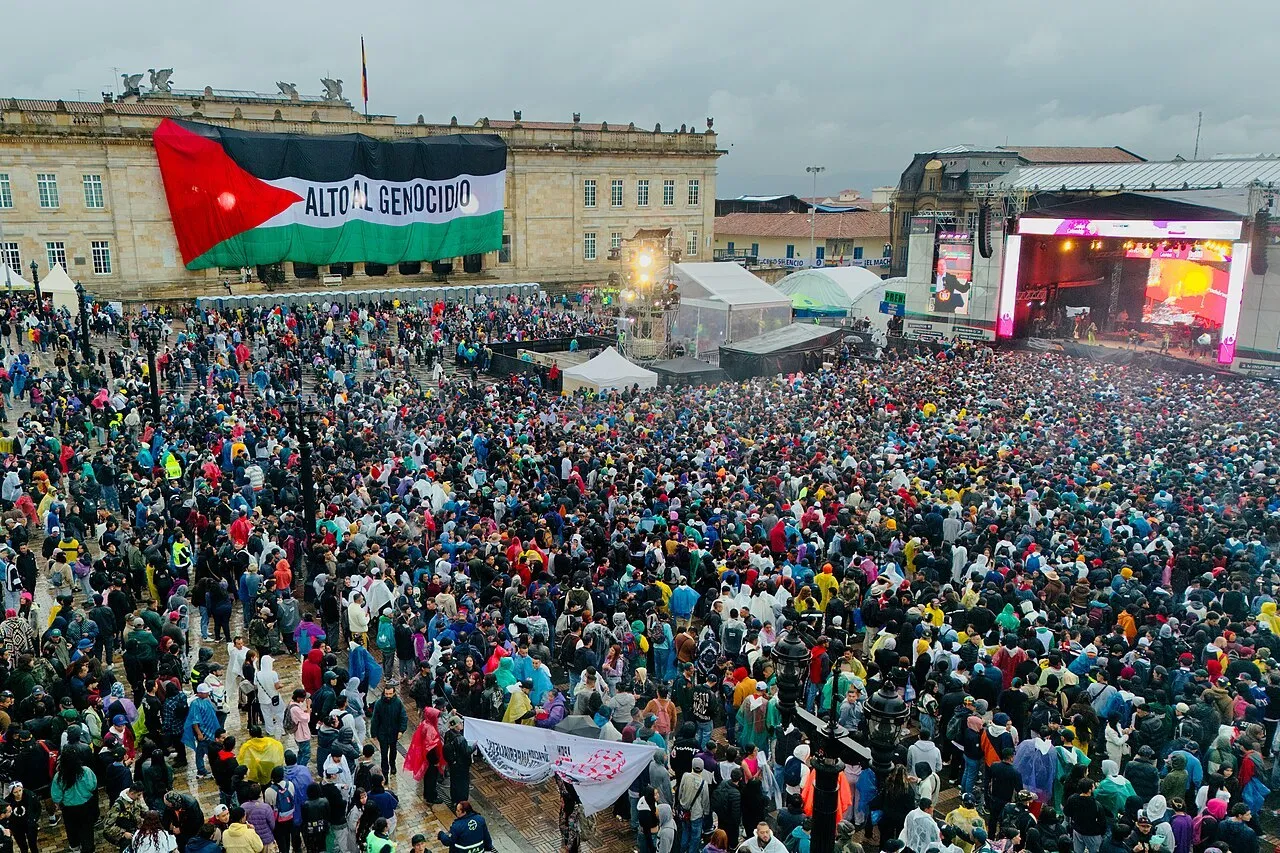
Colombia held its first large general strike against the government of Abelardo de la Espriella on Thursday 19 November 2026, with marches in Bogotá, Cali, Medellín, Barranquilla and Bucaramanga. The day of action was called by the Central Unitaria de Trabajadores (CUT, Colombia's main labour federation), the Federación Colombiana de Educadores (Fecode, the teachers' union), social organisations and the parties opposing the government. Its main target was the Ley de Rescate Económico (Economic Rescue Act) bill now before Congress.
In Bogotá, as many as eight marches were organised to converge on the Plaza de Bolívar at midday, the Ecuadorean newspaper El Comercio reported, drawing on EFE dispatches. The Argentine newspaper Diario Panorama said the gatherings began in the morning and passed largely without incident in the capital, though there were isolated clashes between demonstrators and police elsewhere in the country.
What the organisers object to
The Ley de Rescate Económico bill seeks to slow the growth of public debt through budget cuts and tax rises, according to El Comercio. The organisers add further objections: changes to income tax, possible increases in health contributions, a reorganisation of public bodies, and the possible sale or privatisation of Ecopetrol, Cenit and Grupo Bicentenario, according to the list published by Infobae. Fecode also cited the defence of public education and of the teachers' health scheme.
El Espectador, which calls the bill a "ley de ajuste fiscal" (fiscal adjustment act), attributed the call to the Pacto Histórico, which under the leadership of former head of state Gustavo Petro summoned the marches "contra la reforma tributaria de Abelardo de la Espriella" ("against Abelardo de la Espriella's tax reform"). According to the same paper, the organisers argue the bill would raise income tax while cutting taxes on the wealth of the richest.
Senator Iván Cepeda told EFE the proposal would harm the most vulnerable sectors and the middle classes. The opposition also objects to the government's request for assistance from the International Monetary Fund (IMF) and to the new Ley de Protesta Social (Social Protest Act), which — according to El Comercio — broadens the definition of violence and restricts road blockades.
Petro marched in Cali
Petro led the demonstration in Cali alongside the deputy speaker of the Senate, Alejandro Ocampo. The Cali march was called for 9 a.m. at the Parque Obrero, heading for the Parque de la Retreta. El Espectador also listed assembly points in Bogotá, Cali, Medellín, Cúcuta and Santa Marta.
It was the second day of protest against the new government. The first, on 14 October, was the occasion on which a new decree on how the Fuerza Pública (Colombia's security forces) should act during demonstrations was applied for the first time. The opposition behind the strike narrowly lost this year's presidential election.
The government's response
De la Espriella announced earlier this week, in a televised address, that he was withdrawing the proposed value-added tax on basic food items — one of the most criticised measures in the package — but the unions went ahead with the strike. On Wednesday afternoon the government activated the Puesto de Mando Unificado (PMU, a joint security command post), with the head of the Dirección Nacional de Inteligencia (DNI, the national intelligence service) taking part, and the president put himself at the head of the operation set up at the Casa de Nariño, the seat of Colombia's government.
The president defended the right to peaceful protest but warned that his administration would not allow road blockades or violent action, according to Diario Panorama. The organisers, for their part, said they expected large and peaceful marches.
None of the outlets consulted published an official count of participants at the end of the day, or any report of arrests or injuries.
With information from Infobae, El Espectador, El Comercio (with EFE dispatches) and Diario Panorama.