The Democratic Republic of the Congo has 28.8 million people in acute food insecurity through December — 23% of the population analysed — according to the new Integrated Food Security Phase Classification (IPC) analysis released on 30 October. For the January–June 2027 period, the projection rises to 30.3 million, or nearly one in four people analysed.
More than 3.6 million people, about 3% of the total, are in Phase 4 of the scale, the emergency level — the step immediately below declared famine. In the projection for the first half of 2027, that group reaches 4.2 million.
The east carries the crisis
North Kivu, South Kivu and Ituri are the worst-hit provinces and together account for 10.4 million people in Phase 3 or above. Four territories — Djugu, Fizi, Shabunda and Walungu — are classified in Phase 4. "Conditions have deteriorated more markedly in the northeastern and eastern provinces," the IPC states.
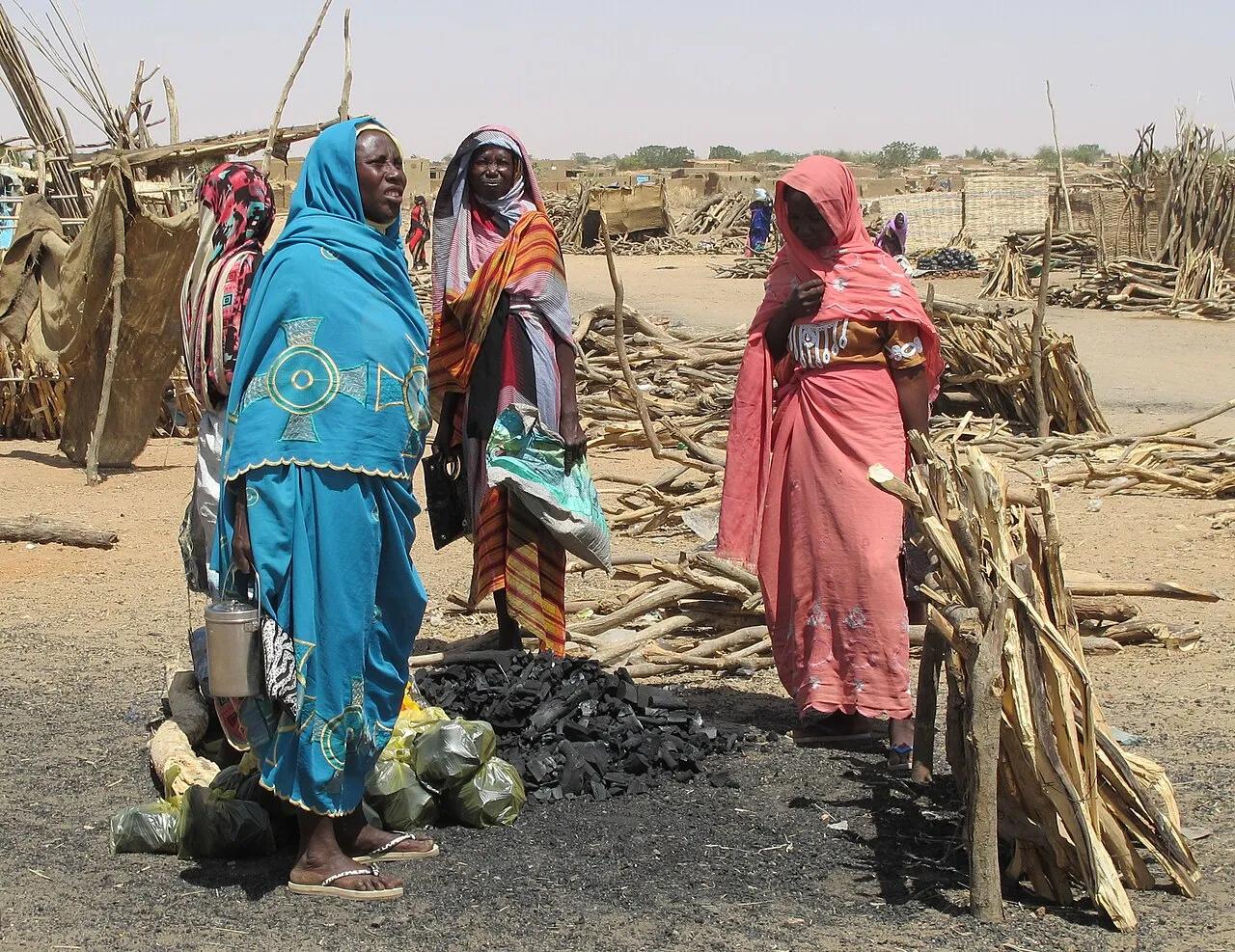
Displaced people, returnees, refugees and poor households are the groups most affected.
Conflict, Ebola and El Niño
The analysis points to four drivers: conflict and displacement, the spread of Ebola, El Niño-linked flooding, and rising prices for food, fuel and agricultural inputs. Declining humanitarian assistance compounds them. "Conflict and violence continue to drive displacement, disrupt livelihoods and restrict access to food and markets," the text says.
The alert was published during the largest Ebola outbreak on record in the country, which has passed 10,000 cases. It began in Ituri and has spread to eight provinces.
"Skyrocketing needs, dwindling budgets"
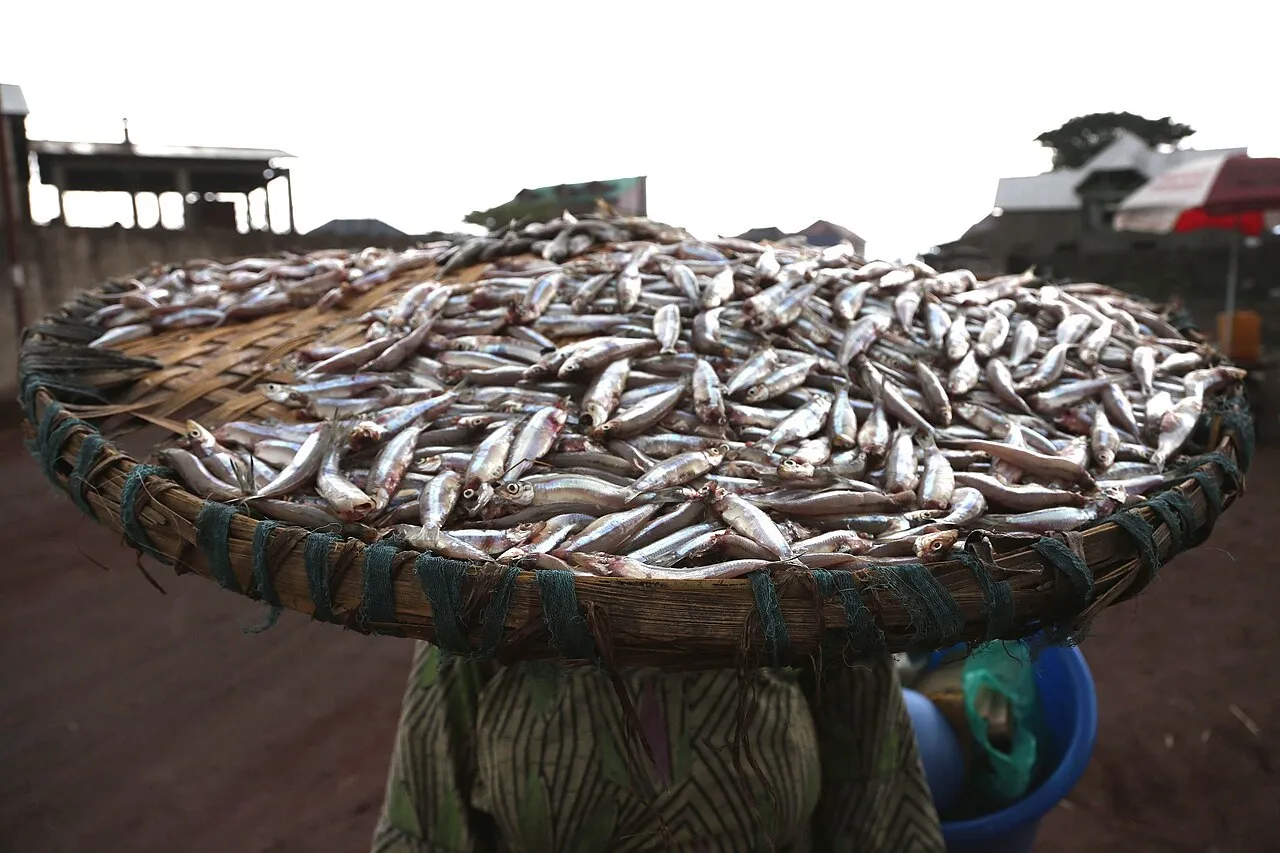
Clemeny Nkubizi, CARE's country director in the Democratic Republic of the Congo, says families in Ituri and South Kivu are skipping meals and choosing between food, school and medicine, and that the organisation cannot meet skyrocketing needs on dwindling budgets.
Safi, a farmer in South Kivu, put it to CARE this way: "It has become difficult to put food on the table." She is asking for seeds, tools and more climate-resilient farming practices. Mwajuma, also a farmer in the province and displaced more than once by conflict and floods, told the organisation that "sometimes we go to bed hungry".
What the scale measures
The IPC is a UN-backed platform that classifies food insecurity on a five-phase scale: Phase 3 is crisis, Phase 4 emergency and Phase 5 declared famine. No Congolese territory appears in Phase 5 in this analysis — the 4.2 million projected at emergency level are the group closest to that threshold.
With information from UN News and CARE, based on the IPC analysis.