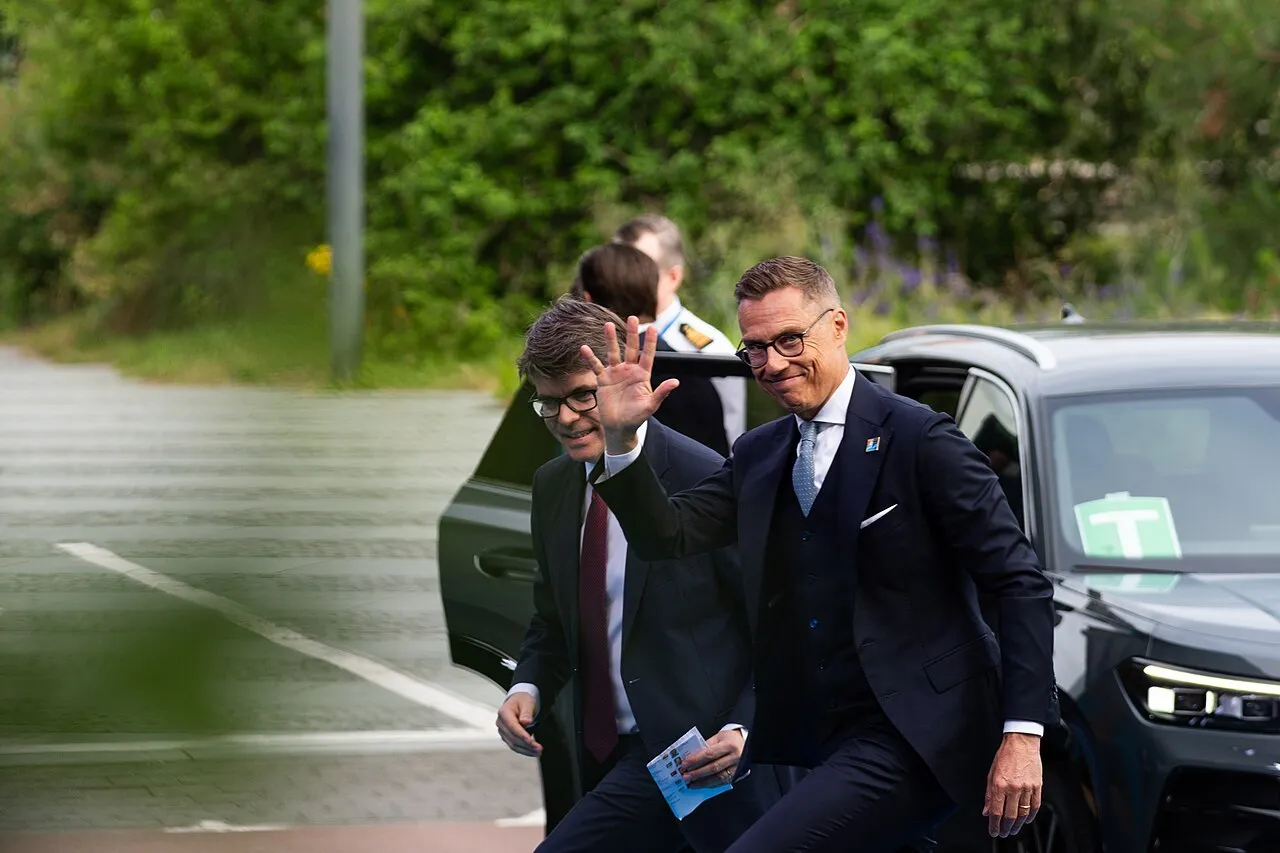
Finland's president, Alexander Stubb, and Norway's prime minister, Jonas Gahr Støre, called Russian President Vladimir Putin together on Tuesday. The conversation lasted 90 minutes and was one of the rare direct contacts between European leaders and the Kremlin since the start of the full-scale invasion of Ukraine in February 2022. The initiative was their own; weeks earlier they had hosted peace talks in Oslo.
The two urged Putin to end the war and to enter negotiations for a lasting settlement. Stubb described the call as "frank and substantive" and said ending the war "requires direct discussion". Støre pressed for de-escalation. Their joint read-out noted that they spoke as leaders of their own countries, and not on behalf of Europe. They then called Ukrainian President Volodymyr Zelenskyy, who thanked them for their support.
What the Kremlin said
The Russian account of the call kept to its usual maximalist tone: a lasting peace would be possible, according to the Kremlin, "only if the legitimate interests of the Russian Federation are fully and unconditionally taken into account". The statement also pointed to "confrontational policies" by European Union and NATO countries.
Foreign Minister Sergey Lavrov played down the initiative, saying European countries were seeking a role in future negotiations.
Overnight the same day, Russia attacked Kyiv with 16 ballistic missiles and more than 280 drones, according to Ukrainian authorities. The South Bridge was hit, and Zelenskyy said Russian forces struck again while emergency crews were still working at the scene. Kharkiv was also attacked, with deaths and injuries.
The Nordic split
The four countries were gathered in Helsinki for a session of the Nordic Council, and the local reaction was blunt.
Denmark's prime minister, Mette Frederiksen, said she was "very sceptical" because the call had not been coordinated with the others. She said she saw no sign that Russia wants peace, citing hybrid warfare and the attacks on Ukraine, compared the move to Hungarian Prime Minister Viktor Orbán's solo trip to Moscow, and argued that Europeans must "stand together".
Sweden's prime minister, Ulf Kristersson, was more restrained. He said he had low expectations for direct talks and warned they risk splitting the European voice, but added that he did not yet know what had been discussed and that talks capable of pushing Russia toward a decent peace, on Ukraine's terms, would be welcome.
Støre replied that Europe should talk to Russia to complement the messages from the US administration, which reads the war differently.
The disagreement stands out because these four countries usually close ranks on Russia: they are among the largest bilateral donors to Kyiv and among the firmest advocates of tougher sanctions on Moscow.
With information from Euronews, the Associated Press and Reuters.