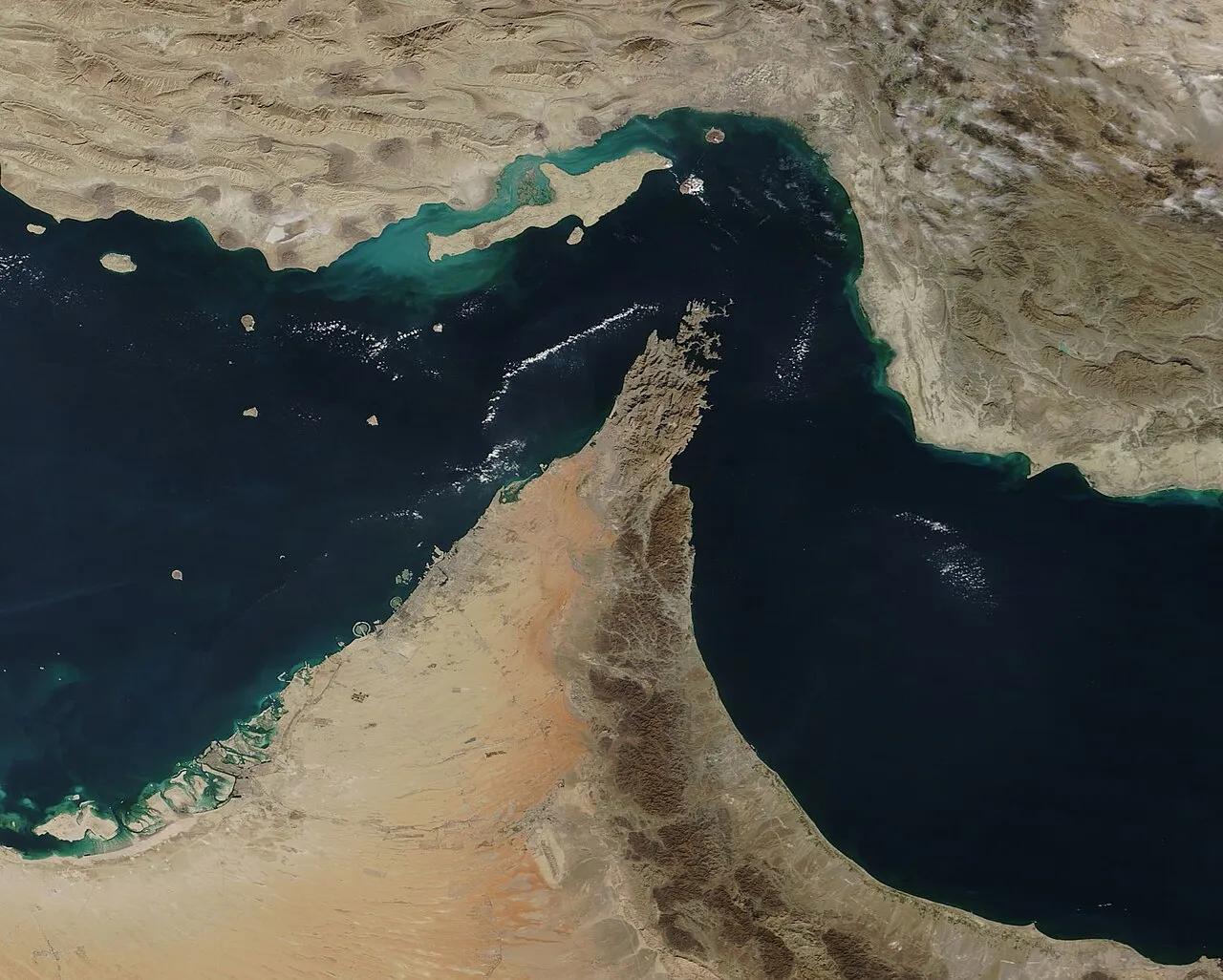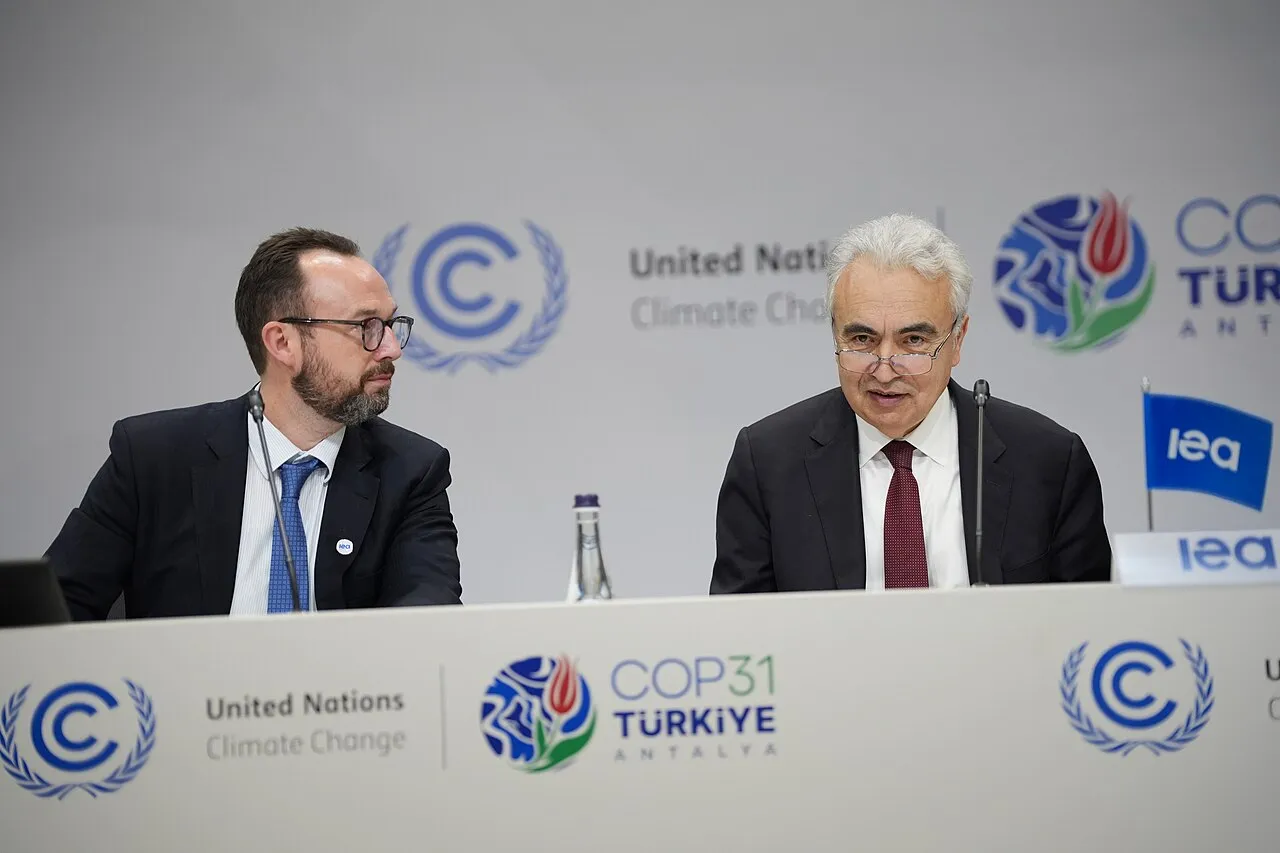
The International Energy Agency (IEA) released its annual projections report, the World Energy Outlook 2026, on Thursday, with one conclusion at its centre: the closure of the Strait of Hormuz has changed the global energy system in ways that will not unwind when the conflict ends.
"I don't see any credible pathway for the energy world to return to the way it was before," the agency's Executive Director, Fatih Birol, said as he presented the document. "The Hormuz crisis has delivered a huge shock to the system," he said, adding that "the longer the crisis lasts, the deeper the effects will be."
The report describes the episode as the largest energy supply shock in history and drops the single-central-trajectory format in favour of exploratory scenarios which, the IEA stresses, are not forecasts. They separate two futures: one in which risks to shipping through the strait are prolonged, and one in which the conflict is clearly resolved.
The scenario where the risk persists
This is where the report's harshest number sits. Oil flows through the Strait of Hormuz, which ran at about 20 million barrels a day before the crisis, would fall to 8.5 million barrels a day in 2030 and to under 2 million barrels a day by 2035.
Even with that decline, the IEA says, the Middle East would remain the world's largest oil exporter to international markets — an observation that says less about the region's strength than about the scale of the reorganisation the rest of the world would have to absorb to replace it.
Countries are already reacting, the report notes: diversifying suppliers, trade routes and fuel mixes, favouring domestic resources and pushing for faster electrification.
If the conflict is resolved
In the opposite case, the IEA projects a strong rebound in oil and gas supply, led by a delayed wave of liquefied natural gas (LNG). The result would be a buyer's market, with downward pressure on prices even as inventories refill.
The sources that gain most in both cases are renewables — led by solar photovoltaics — and nuclear. But the report also records that some countries are likely to lean on domestic fossil fuels for longer, with particular attention to coal in Asia.
That double movement is what Birol tried to frame in saying that "in pursuit of greater energy security, countries must take care not to replace one dependency with another." In his words, "energy security and energy transitions have never been so closely aligned."
Electricity as the axis
A second set of projections leaves oil behind. Since 2019, electricity demand has grown faster than the world economy and twice as fast as overall energy demand — and the IEA expects it to grow faster still to 2035.
Electricity's share of final energy consumption closes in on 30% globally by 2035 in all of the report's exploratory scenarios. Among the drivers, the agency lists data centres, the electrification of transport and rising demand for cooling: for the first time in history, according to the document, the energy used to cool buildings is set to overtake the energy used to heat them.
Climate and access
The report also fixes the distance between rhetoric and arithmetic. Under current and stated policies, projected global warming lands between 2.5 °C and 2.9 °C — above, therefore, any pathway compatible with the Paris Agreement's 1.5 °C limit.
On energy access, the IEA records that gains in electricity and clean cooking accelerated in 2025, but warns that higher fuel prices and supply shortages in 2026 threaten to slow that progress.
The document was published during the closing stretch of COP31 in Antalya, Turkey, where negotiators are debating a text that names electrification as a goal and omits fossil fuels.
With information from the International Energy Agency, World Oil and Green Building Africa.