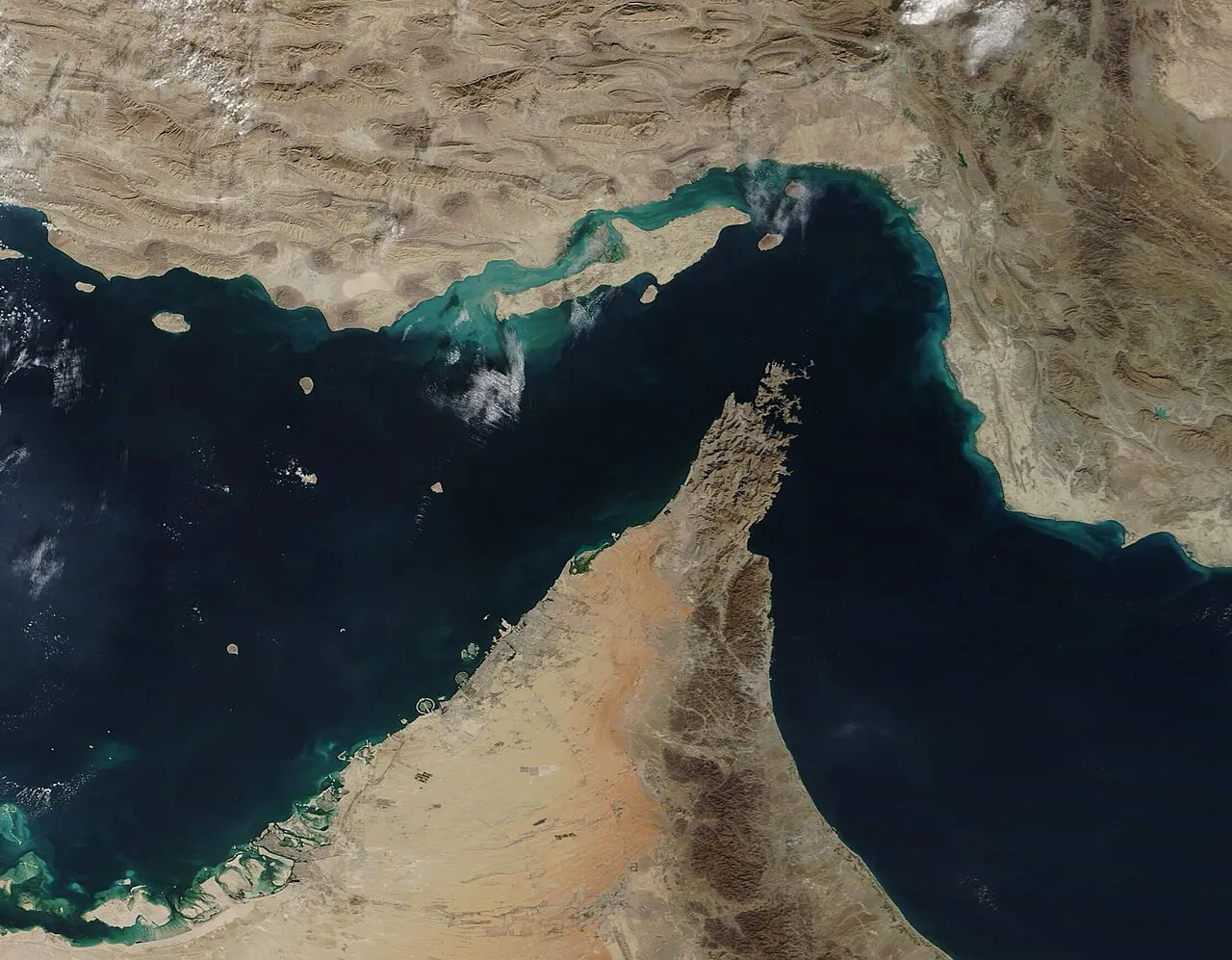
Iran has exempted ships from China, India, Iraq and Qatar from the restrictions it imposed on traffic through the Strait of Hormuz, the passage through which most Gulf oil leaves the region. The disclosure came from Amir Hayat-Moghaddam, deputy chairman of the Iranian parliament's National Security and Foreign Policy Committee, in an interview with the student news agency Isna published on Wednesday.
"Ships from these countries pass freely, and the Americans do not intercept them either," Hayat-Moghaddam said.
Tehran effectively closed the strait at the start of its war against the United States and Israel, which began on 28 February this year. In July, Washington reimposed a naval blockade on Iran's southern ports. Exemptions for countries considered friendly began within weeks of the conflict starting: in April, the Iranian military command had already declared "brotherly" Iraq outside the restrictions.
What each country offered in return
The terms, according to the lawmaker, are not the same:
- India — supplies medicine; Indian ships pay Iran a transit fee.
- China — political backing; Chinese ships also pay the fee.
- Qatar — diplomatic support and mediation of the talks with Washington; Qatari vessels pass without paying.
- Iraq — exempt since April, with no information on charges.
For Wolfgang Pusztai, a security analyst and Austria's former defence attaché to Libya, the arrangement could generate significant revenue for Tehran, since China buys close to 90% of Iran's oil exports. Nader Hashemi, a professor of Middle East politics at Georgetown University, believes Iran is charging either a transit fee or a percentage of cargo value. Rouzbeh Parsi, a researcher at Lund University, sums up the aim as "poking holes in an embargo" to move essential goods in and out.
The numbers through the strait
In October, 10.23 million barrels a day of Gulf crude crossed Hormuz, according to Muyu Xu, senior crude oil analyst at Kpler. About 42% of that volume went to China and 13% to India.
The effect of the exemptions shows up in the flows of those who benefited:
- Iraq rose from 1.69 million to 2.65 million barrels a day between August and October;
- Qatar shipped no liquefied natural gas through the strait in August and moved 1.8 million tonnes in October;
- over the same period, Qatari crude fell from 517,000 to 193,000 barrels a day.
Kpler itself warns the figures may be understated: up to 2 million barrels a day of Middle Eastern crude went untraced in the period.
The US blockade and 120 ships hit
US Central Command says the blockade applies to "all vessels of all nations" entering or leaving Iranian ports, with prior inspection for humanitarian cargo. It is unclear whether Washington will accept the Iranian exemptions — and, according to Pusztai, accepting them would make the blockade harder to sustain.
Since the war began, more than 120 commercial ships have been hit in the region, and October was the worst month on record, according to data from the International Maritime Organization (IMO) and UK Maritime Trade Operations. On 30 October, the Qatari LNG carrier Al Mayeda was struck by "unidentified objects" in the Gulf, according to its owner, Qatar Gas Transport Company.
Markets barely reacted. For Chris Beauchamp, chief market analyst at IG Group, the exemptions "make only limited difference at present", because prices already factor in the possibility of a peace deal. Ending the blockade is one of Tehran's demands for opening broader talks with the United States, including on its nuclear programme: the Iranian proposal under discussion with Qatari mediation would reopen the strait if Washington met seven conditions.
With information from Al Jazeera, the Isna news agency and India TV.