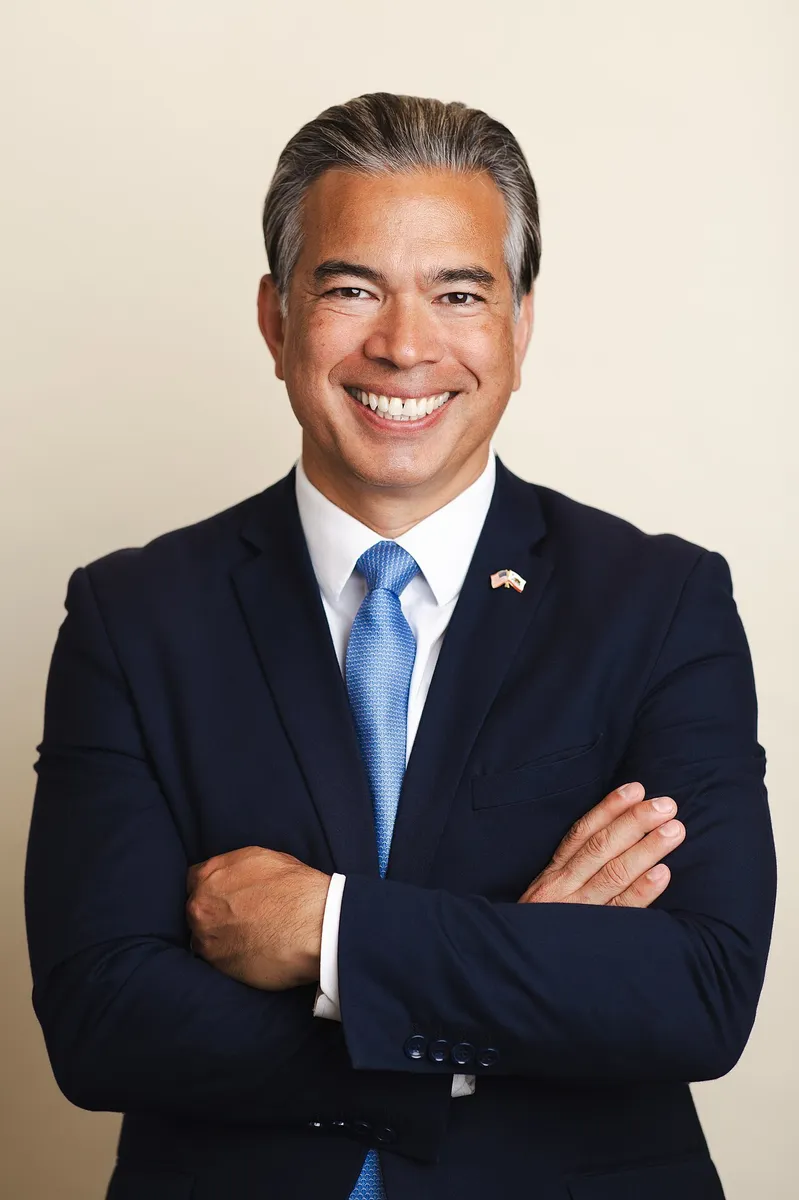
Meta, Google and TikTok each sued the state of California on Thursday, November 5, 2026, seeking to stop a law that bars social platforms from serving personalized feeds, endless scrolling and autoplay video to users under the age of 16. The three companies filed separate federal complaints — in San Francisco, San Jose and Los Angeles — all naming state Attorney General Rob Bonta, who is the only official with power to enforce the statute.
The law is Assembly Bill 1709, approved by both chambers of the California legislature on August 31, 2026 without a single vote against it and signed by Governor Gavin Newsom on September 10. It leans on the state's Digital Age Assurance Act, which takes effect on January 1, 2027.
What the law actually requires
AB 1709 does not order platforms to throw minors off their services. It forbids them from giving an "addictive feature" — the statute names addictive feeds and autoplay, and lets the attorney general designate others by regulation — to a user under 16, and requires reasonable measures to make sure minors do not receive one.
A user under 16 may keep an account stripped of those features. The deletion requirement bites only where a platform cannot offer that version: in that case the under-16 account and the personal information attached to it must go.
Before serving an addictive feature at all, a platform has to establish the user's age under the Digital Age Assurance Act. Enforcement rests with the attorney general or a local public prosecutor; the law creates no private right of action, so users cannot sue on their own.
The penalties are what give the statute its weight. Civil fines run up to $50,000 per affected minor for knowing violations and up to $25,000 per affected minor for negligent ones, with courts weighing the size of the platform, the severity and duration of the violation, and any good-faith effort to comply. Applied across a teenage user base, the per-user structure is what turns a design question into a balance-sheet question.
The companies' argument
All three complaints rest on the same two pillars. The first is the First Amendment: the companies say the ranking and display of content is their own editorial judgment, and that the law makes it unlawful to distribute speech to minors unless they redesign their feeds. A TikTok spokesperson called the statute a "blatantly unconstitutional restriction on free expression."
The second is federal preemption under Section 230 of the 1996 Communications Decency Act, which the platforms read as protecting their decisions about how third-party content is organized and recommended.
They also argue the law takes a decision away from families. Google said that without personalization, under-16 users would lose access to material worth watching, and noted that autoplay is already off by default for minors on YouTube.
Bonta's office said it is reviewing the filings and is committed to "defending California's commonsense laws to protect kids online."
Not all the criticism comes from the industry. Rindala Alajaji, of the Electronic Frontier Foundation, argued the bill "compels platforms to collect even more information from every user" — a privacy cost borne by adults as well as children — and said it functions in practice as a ban for those under 16.
A fight that is not only Californian
The suits land in the middle of a wider reckoning over minors and recommendation engines. Meta agreed to pay up to $18 billion to settle children's safety claims brought by 29 states, Australia banned social media for under-16s in December 2025, and France's highest court struck down a comparable French law on free expression grounds.
Because California writes the rules for the market where all three companies are headquartered, its statutes tend to set the floor elsewhere. Whether that floor survives is now a question for three federal courts — and on a clock, with the law due to take effect at the start of 2027.
Reporting from TechCrunch, The Wrap, PPC Land and Just Security.