American consumer prices rose 0.4 percent in October, the Bureau of Labor Statistics reported on November 10, 2026 — a tenth of a point above what forecasters had penciled in, and the third consecutive month in which the inflation data came in hotter than Wall Street expected. The reading lands three weeks before a Federal Reserve meeting at which two governors have already signaled they want rates to go up, not down.
Before seasonal adjustment the index rose 0.2 percent, to a level of 337.511.
Where the increase came from
Shelter, the single heaviest component of the index, rose 0.3 percent and by itself accounted for more than thirty percent of the month's overall increase. Energy added 0.7 percent, a far smaller jump than September's 5.2 percent surge but still an increase: gasoline rose 1.0 percent on a seasonally adjusted basis and electricity 0.9 percent, while natural gas fell 0.8 percent.
Food rose 0.5 percent, split between 0.4 percent for groceries and 0.5 percent for restaurant meals.
Stripping out food and energy, the core index rose 0.3 percent — the same pace recorded in August and in September. Measured over the three months through October, core prices ran at an annualized 3.7 percent, the fastest stretch of the year, according to figures reported by TheStreet.
A missing year-over-year number
The familiar headline — inflation over the past twelve months — does not exist this month. The BLS did not collect October 2025 data because of a lapse in appropriations during last year's shutdown, and without that base the agency says it "cannot publish 12-month percent changes" for the affected indexes. That hole applies to both the all-items figure and the core figure.
Private economists have been filling the gap with estimates rather than official arithmetic. TheStreet cited economist Evan Cunningham's calculation of roughly 4.0 percent headline and 2.8 percent core over the year through October. Those are estimates, not statistics, and the distinction matters for anything indexed to the official number.
What it means for wages
The October employment report, released on November 6, put average hourly earnings at $38.00, up 3.1 percent over twelve months. Set against an estimated headline inflation rate near 4 percent, that implies paychecks losing ground in real terms — economist Justin Wolfers put the gap at roughly 0.9 percentage points, TheStreet reported.
The same jobs report showed nonfarm payrolls up 165,000 in October, well above the 48,000 average of the preceding twelve months, with the unemployment rate at 4.1 percent and some 7.1 million people out of work. Professional and business services added 70,000 jobs and health care 42,000.
The Fed's December problem
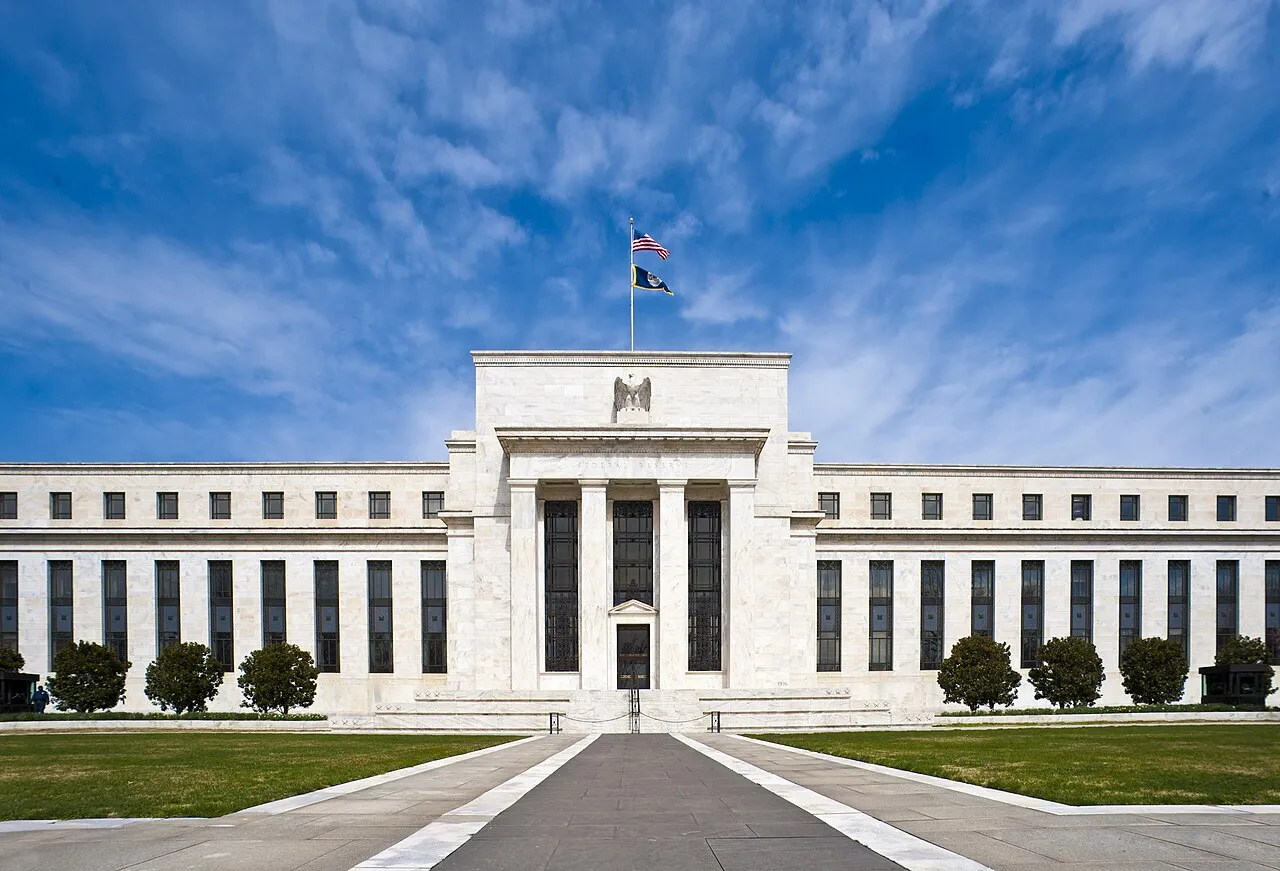
At its October 27-28 meeting the Federal Open Market Committee left the target range for the federal funds rate at 3.75 to 4 percent. The vote was 10 to 2: Governor Lisa D. Cook and Beth M. Hammack dissented, both preferring a quarter-point increase. The statement said flatly that "inflation remains elevated."
The committee meets next on December 8 and 9, a session that comes with a Summary of Economic Projections. A quarter-point move would lift the range to 4 to 4.25 percent. James McCann, senior economist at Edward Jones, told TheStreet the October data "most likely seals the deal on a rate hike."
A hike would not take long to reach households. Research from the Federal Reserve Bank of Boston indicates credit card rates typically adjust within about a month of a Fed move, which would put the effect on roughly $1.26 trillion in outstanding American card balances as early as January.
Reporting from the Bureau of Labor Statistics, the Federal Reserve Board and TheStreet.