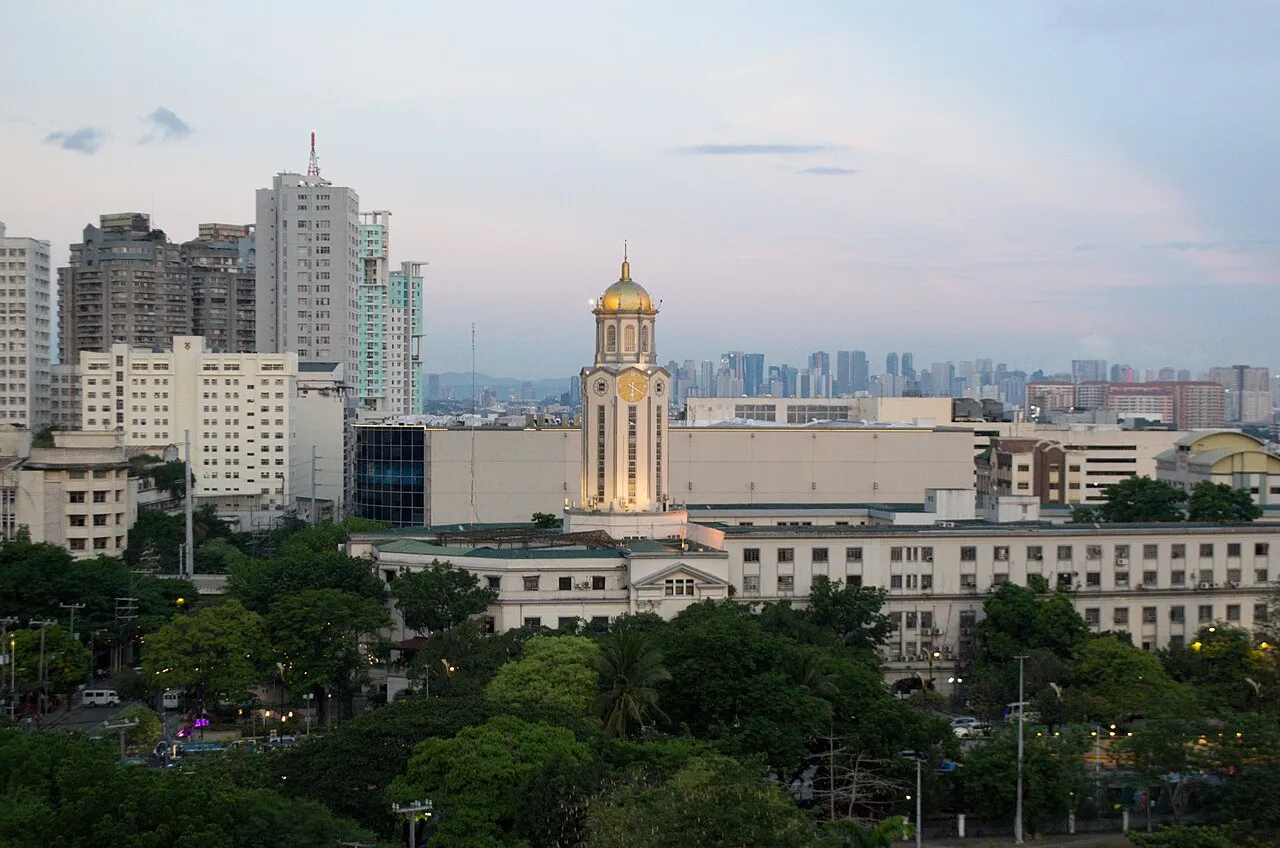
President Luiz Inácio Lula da Silva landed in Manila on Friday (13) with a concrete problem on his agenda: days earlier, the Philippine Department of Agriculture suspended Brazilian pork imports for 60 days — in the country that buys more of it than any other.
The measure is not aimed solely at Brazil. It is a trade safeguard covering several suppliers, adopted after a preliminary inquiry into how rising imports affect Philippine producers. But Brazil's weight in that market means the bill lands mostly on Brazilian exporters: the Philippines is the leading destination for Brazil's fresh pork.
The numbers at stake
From January to September 2026, Brazil sold the Philippines US$530.9 million and 222,700 tonnes of fresh pork, according to figures reported by Agência Brasil (Brazil's state news agency). That is roughly 21% of the US$2.5 billion Brazil exported in the category over the period — one in every five dollars earned on fresh pork came from a single buyer.
Manila's stated reasoning is protection of local farmers. Domestic output now covers 54% of Philippine pork consumption, down from 74.3% in 2021.
On the Brazilian side, the effect is already visible before the suspension completes a fortnight: producers in the state of Mato Grosso do Sul report falling prices paid for live hogs.
What Brazil brings to the table
The Associação Brasileira de Proteína Animal (ABPA, the Brazilian Animal Protein Association) filed a technical defence in late October and is travelling with the presidential delegation. The group argues that any such measure must meet "technical, transparency and proportionality criteria".
Agriculture and Livestock Minister André de Paula flew with the president and is scheduled to meet his Philippine counterpart, Francisco Tiu Laurel Jr. Another deadline looms: the equivalence certificate for Brazil's sanitary inspection system expires in February 2027 and will have to be renewed.
Neither government has set a date for a decision on lifting the suspension.
The trip is bigger than the embargo
The visit has other layers. A state visit takes place on Saturday (14), marking 80 years of diplomatic relations between the two countries, established in 1946; it is the first time a Brazilian head of state has travelled to the Philippines. On Sunday (15), Lula addresses the opening of the 49th ASEAN Summit — a rare slot for a guest country.
Brazil has been a sectoral dialogue partner of the bloc since 2022 and has been asking since January to be upgraded to full dialogue partner, a status held so far only by the United States, Japan, South Korea and Canada. The Itamaraty, Brazil's foreign ministry, expects the change to take time, and the government is working to secure it at next year's summit in Singapore.
The commercial stakes explain the effort. Trade between Brazil and ASEAN countries topped US$38 billion in 2025, according to the Itamaraty; the flow with the Philippines alone was US$2.7 billion. The agenda also includes a business forum organised by Apex with more than 100 Brazilian companies, and defence talks — the Philippine government has shown interest in Embraer's KC-390 transport aircraft, and its air force already flies the A-29 Super Tucano.
The trip fits the strategy Brasília has been repeating since the United States raised tariffs: spread the risk across more buyers. The Philippine suspension shows the flip side of that bet — the more concentrated the destination, the greater the damage when a decision on the other side of the world closes the door.
With information from Agência Brasil, Metrópoles and TV Sim Brasil.