Panama's geisha coffee has again confirmed its place among the world's most expensive farm products: a 15-kilogram lot from Lamastus Family Estate sold for $18,004 per kilogram at the annual Best of Panama (BOP) auction. The buyer was JD.com, the Chinese e-commerce group.
The figure was not a record. Grower Wilford Lamastus Jr. said so plainly: "No fue un (precio) récord. El récord fue el año pasado" ("It wasn't a record price. The record was last year"). In 2025, a geisha lot from Hacienda La Esmeralda sold for $30,000 per kilogram to a buyer in Dubai.
The scale of the price
To see what those numbers mean, it helps to set them against the coffee most people drink. The World Bank estimated that standard arabica — the world's most widely consumed variety — averaged around $8.50 per kilogram in 2025.
Measured against that benchmark, the Lamastus Family Estate lot sold for more than 2,000 times the price of ordinary coffee. That is the distance between a farm commodity and a luxury good: auction geisha does not compete with coffee, it competes with collectable wine and vintage whisky.
A rediscovery two decades old
The variety is Ethiopian in origin and keeps the same genetic line as the original plants, but its modern commercial career began in Panama. It was rediscovered in 2004 by Hacienda La Esmeralda, in the rural west of the country, a little over twenty years ago.
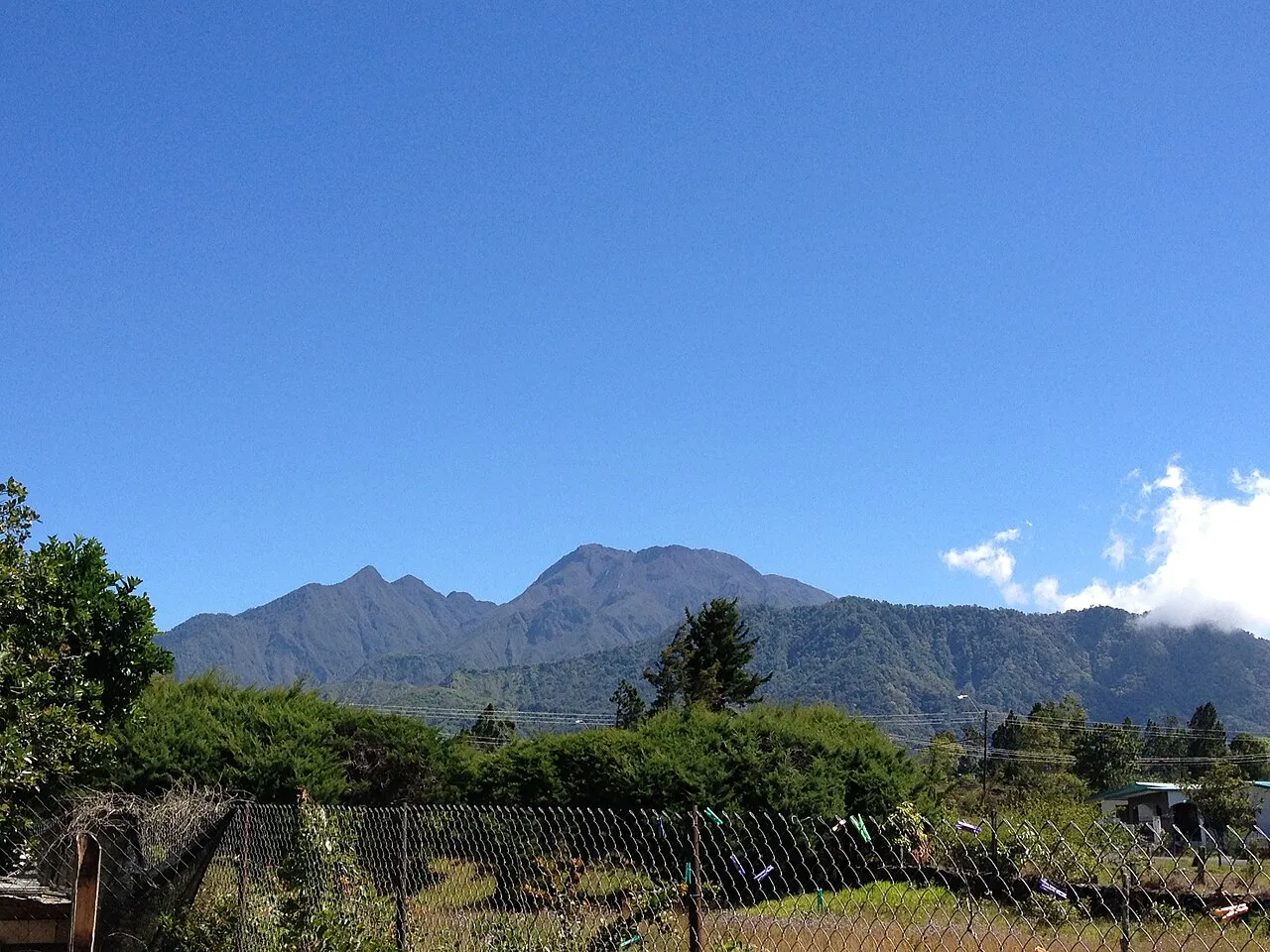
It is now grown on farms in Boquete, Tierras Altas and Renacimiento, in the mountains of Chiriquí province. Altitude, volcanic soils and the local microclimate account for part of what ends up in the cup; the rest depends on processing — cherry selection, fermentation, drying and cupping — hand work that, according to Wilford Lamastus Sr., is what sets each harvest apart.
The profile buyers are after is floral and fruity, with a white-flower or sweet-jasmine character. Asia is the main market for these lots, and the JD.com purchase bears that out.
From smallholders to a category of their own
The industry's organisation predates geisha. The Asociación de Cafés Especiales de Panamá (SCAP), Panama's specialty coffee association, was founded in 1996, when a group of growers — the Lamastus family among them — banded together to compete with far larger producers such as Honduras.
Three decades on, the arithmetic worked out the other way round: Panama did not win the contest on volume, it created a category in which volume does not count. The 15 kilos auctioned this year are worth, at the price paid, more than $270,000.
With information from Forbes Centroamérica and El Nuevo Herald.