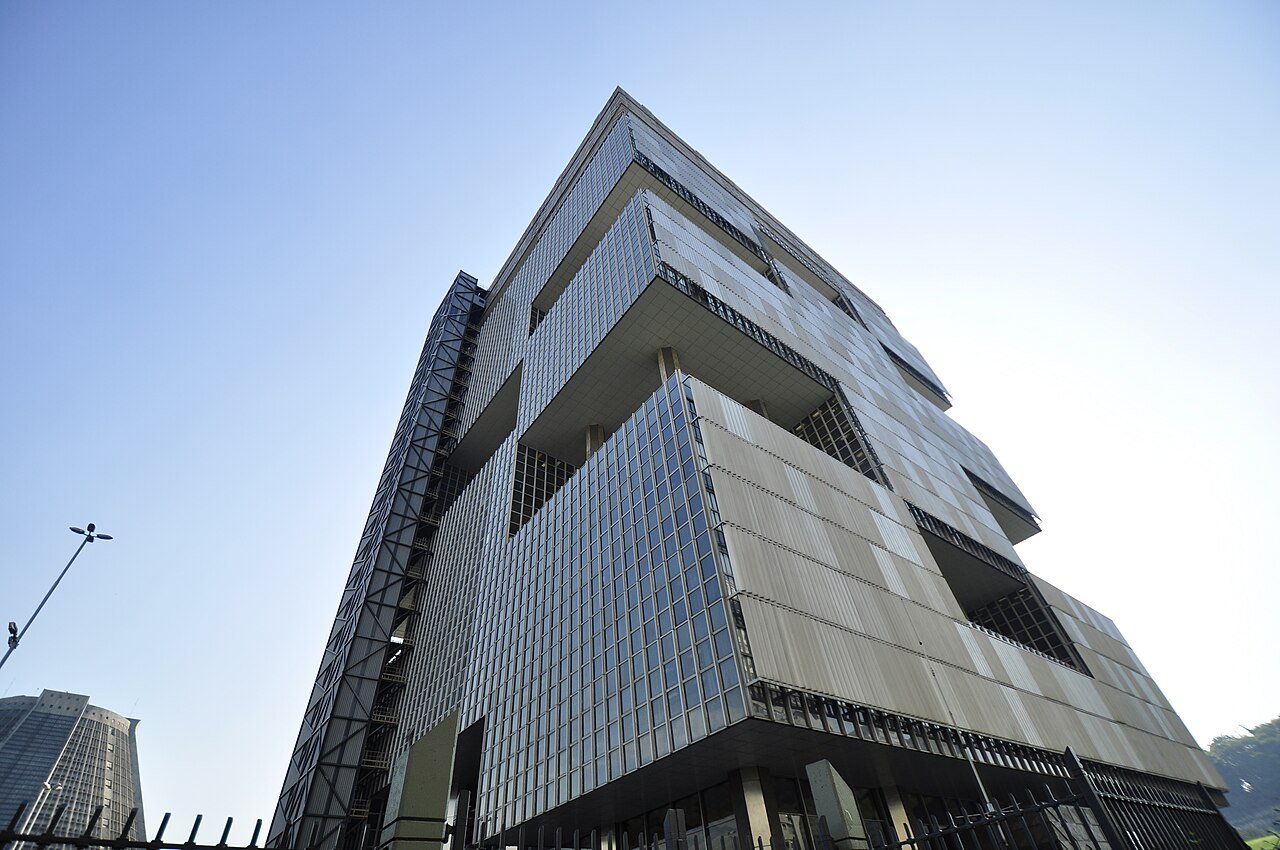
Petrobras said on Tuesday it had signed a 22-year contract with Cheniere Marketing to buy 800,000 tonnes of liquefied natural gas (LNG) a year. Cheniere Marketing is a subsidiary of Cheniere Energy, currently the largest LNG exporter in the United States.
The state-controlled company did not disclose prices or the date deliveries begin. In its stated rationale, it said that "contracting long-term volumes reflects the strategy of reducing exposure to volatility in the LNG spot market", and that the deal strengthens risk management across its natural gas portfolio and widens its operational flexibility.
The second long contract in just over a month
The announcement repeats, in term and volume, a recent move. In late August, Petrobras closed a 20-year contract with Sempra Infrastructure, also for 800,000 tonnes a year, with the gas leaving the Port Arthur liquefaction terminal in Texas.
Together, the two deals commit the company to 1.6 million tonnes of US LNG a year for at least two decades. It is a change of method more than of volume: until now, much of the gas the company imported arrived through one-off purchases on the spot market, where the price swings with the European winter, with Asian demand and with any interruption to supply.
Why LNG
Liquefied natural gas is gas chilled until it turns liquid, which cuts its volume roughly 600-fold and allows it to travel by ship. It is the way to buy gas from a country with no pipeline connection — Brazil's situation with respect to the United States.
In the Brazilian market, imported LNG works mainly as a backstop: it comes in when thermal plants are switched on during periods of low reservoirs and when domestic output fails to keep up with industrial demand. Long contracts give that backstop price predictability, but they also fix purchase obligations over terms that span several governments and several cycles of the power sector.
With information from Agência Brasil, Jornal de Brasília and a Petrobras statement.