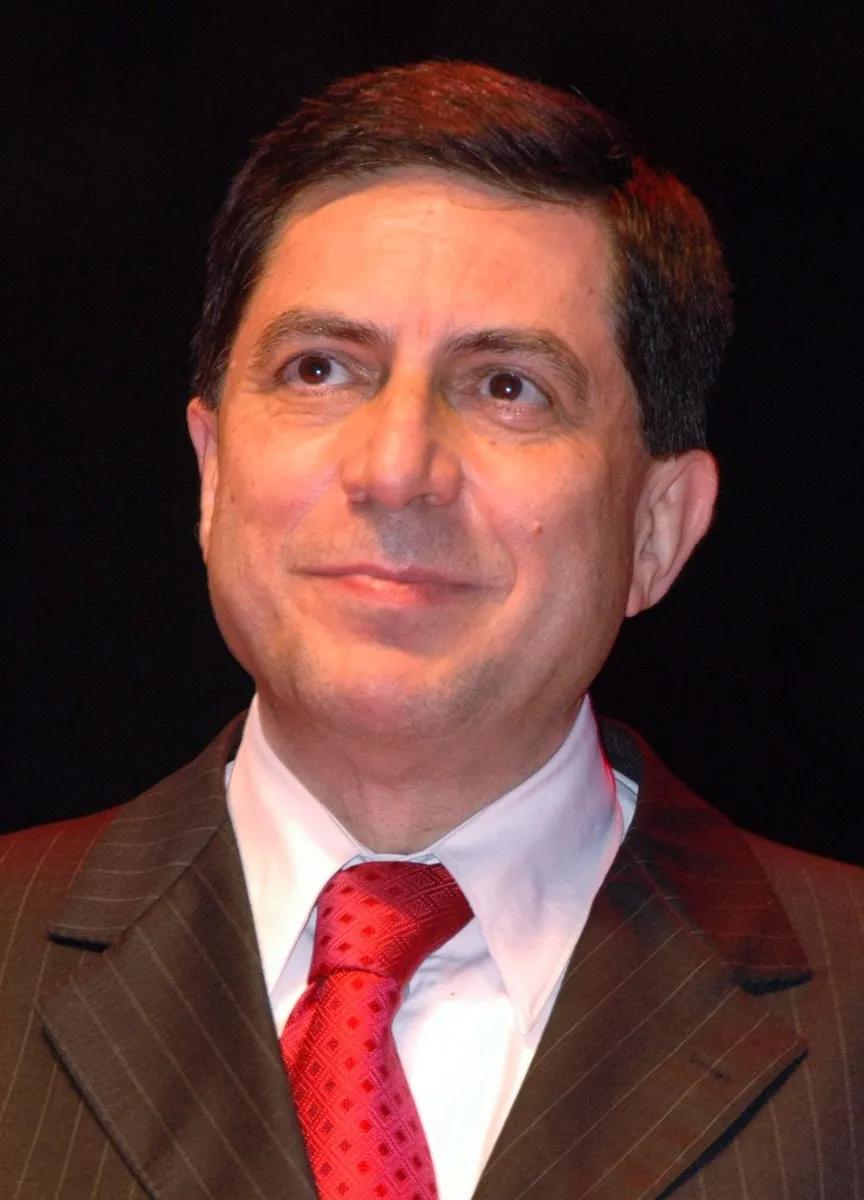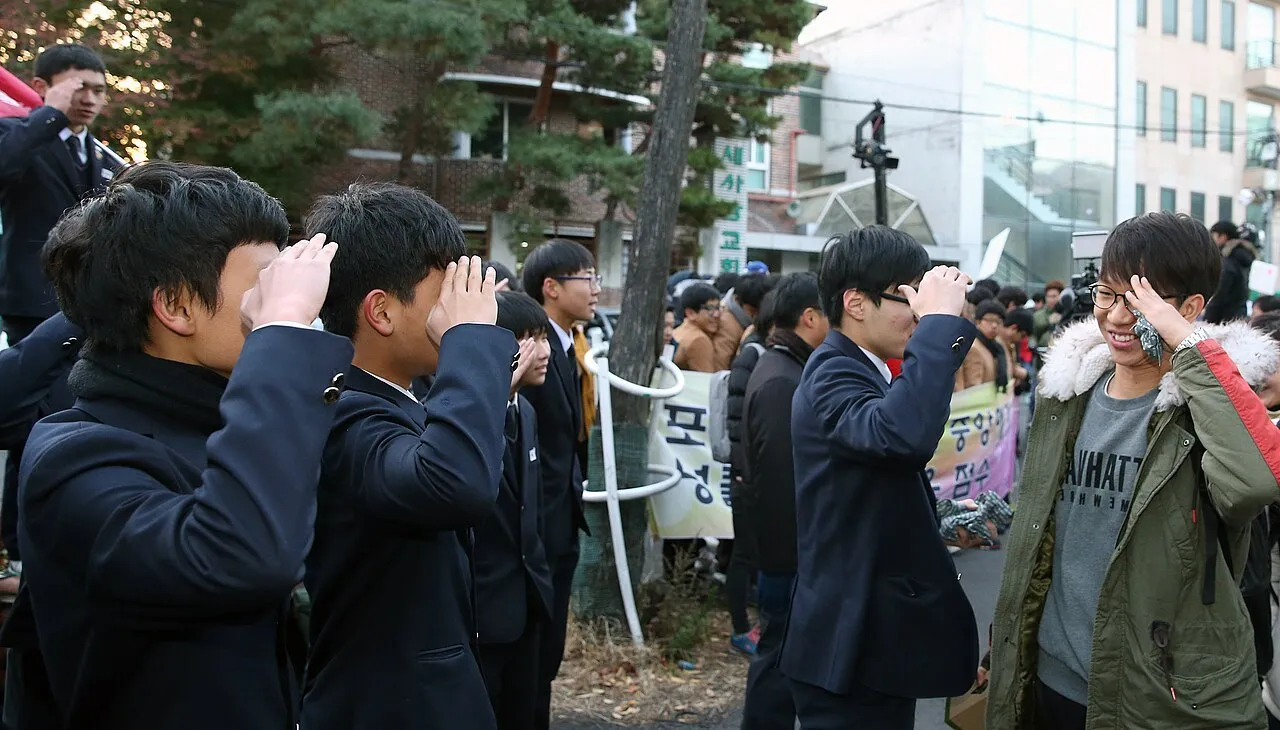
South Korea's education minister, Choi Kyo-jin, offered his resignation on Sunday and was let go an hour later by President Lee Jae-myung, according to the presidential office at Cheong Wa Dae. His departure came three days after the Suneung, the national university entrance exam, held on Thursday under a set of anti-cheating rules assembled at the last minute.
"Now that the exam has concluded, I feel a deep sense of responsibility and am offering my resignation," Choi said, as reported by Euronews. In a statement released by the ministry, he was blunter about why: "As the minister, I cannot be free from the criticism that we (ministry) were not prepared in advance."
The case that sounded the alarm
The trigger was a scandal in a different exam. On 15 November, the top scorer in the 2026 certified tax accountant exam admitted to cheating with a miniature camera, a smartphone and generative artificial intelligence, according to Euronews. The ministry had also already recorded four cases involving AI smart glasses in middle and high school exams during the year.
Four days before the Suneung, the government stepped up invigilation: around 8,400 extra staff, including electronic-device specialists and corridor monitors, instructions for invigilators to inspect glasses and cover clothing buttons with stickers, and a rule that only black pencils be used, with erasers and correction tape supplied by the exam centres themselves.
111 caught and three phone alerts
During the exam, three nationwide alerts were sent to candidates' phones — at 8.30am, 2.21pm and 2.57pm, according to the Korea Herald.
The tally released by the Education Ministry on Friday puts the number at 111 candidates caught with smart devices, up from the 98 initially reported. Of those, five were classified as having actually used an electronic device during the exam, and 54 of the detections came from the three alerts. The cases include a candidate with smart glasses in South Chungcheong and another with a miniature camera and wireless earphones in Gyeonggi.
The ministry's examination misconduct committee will decide the penalties before scores are released on 11 December.
A 10-year ban and a review of past exams
The government and the ruling Democratic Party have proposed raising the ban on sitting the exam for AI-assisted cheating from one year to 10, applied retroactively to this year's test. Authorities are also considering reviewing earlier exams on the basis of tips deemed credible, and one proposal under discussion is to print identification marks on question papers, to trace exams that are photographed or leaked.
The criticism: three days to train an invigilator
The Korean Federation of Teachers' Associations criticised the improvised timetable: staff were selected on Tuesday, trained on Wednesday and placed in classrooms on Thursday. Teachers' organisations questioned whether anyone could learn to spot sophisticated devices in so little time.
Choi had already supplied ammunition for that criticism. At a parliamentary hearing on 16 November, he said he doubted he could detect all AI-assisted cheating, citing his own age.
Lee Jae-myung put Prime Minister Han Seong-sook in charge of follow-up measures and ordered a review of how examinations are managed. Presidential spokesperson Kang Yu-jung said the process of appointing a new minister would begin; no name has been announced.
With information from Euronews and the Korea Herald.