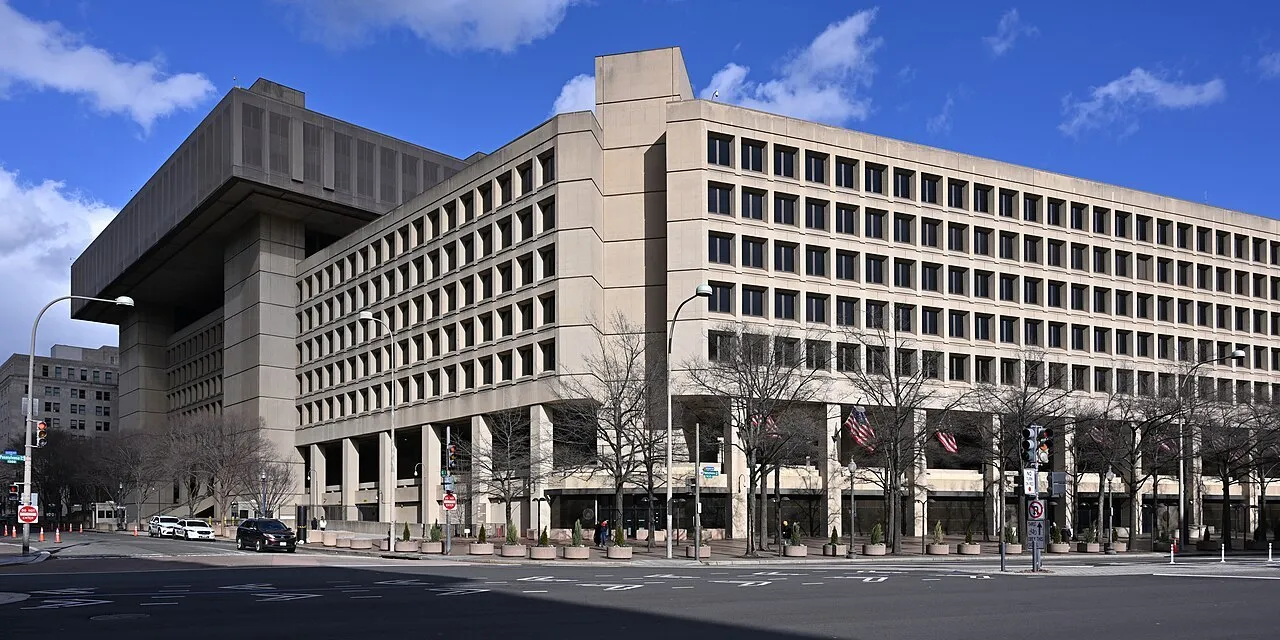
The database an American police officer queries before walking up to a stopped car has been hacked, or very nearly so. On Friday, November 20, 2026, CNN and NBC News reported an intrusion into the National Crime Information Center, the FBI-operated system that links federal, state and local law enforcement, citing two people briefed on the investigation. Three days later the bureau has still not publicly confirmed the episode, and the basic questions remain unanswered: when it happened, how the attackers got in, and whether anything was taken.
What the NCIC holds
The NCIC is not a single-agency file. It is the national clearing house through which police share records on wanted and missing persons, outstanding arrest warrants, stolen vehicles and firearms, protection orders and other criminal justice data. Officers query it during traffic stops, in the course of investigations and when running background checks.
That is why the unanswered questions matter more here than in an ordinary data breach. "It remains unclear whether the attackers accessed sensitive law enforcement records stored in NCIC or whether the intrusion affected the system's availability to law enforcement agencies," BleepingComputer wrote.
A former FBI official told CNN that "every day, officers across the country rely on NCIC to identify wanted fugitives, check for outstanding warrants, and access information that can directly impact officer and public safety." The same official said the worry was less about data leaking out than about data being altered — that intruders "could compromise the accuracy of the information that officers rely on."
The bureau says nothing
The FBI did not respond to CNN's request for comment, and did not return queries from Al Jazeera or BleepingComputer. FBI Director Kash Patel has not commented publicly. No statement has come from the Justice Department either.
The president has spoken, though. Asked about the hack in a Fox News interview on Saturday, Donald Trump said he had only just learned of it. "Well, we just heard about it, and I will say that it's not good. I don't like that," he said. He then moved to a different register: "Maybe we'll learn things that we would have never learned otherwise. You had the Russia, Russia, Russia hoax. You had all these other hoaxes." He added that he likes "to put things on a positive spin," and told Americans to relax.
The second one since September
Al Jazeera counted the reports as the second to hit the bureau this year. In September the extortion group ShinyHunters claimed it had breached FBI systems by exploiting an unpatched Oracle PeopleSoft vulnerability, targeting a third-party platform tied to the bureau's recruitment website; the group claimed it had taken information on the FBI's roughly 38,000 employees. Investigators later arrested suspected members, among them a Canadian cybersecurity executive reportedly linked to the attacks. In March, the agency said it was looking into suspicious activities on some internal systems.
There is no indication so far that the NCIC incident is connected to ShinyHunters or to the September breach.
It did not arrive alone. NBC News reported, citing two former officials, that a Department of Agriculture payment system was also targeted in the same period; the USDA told its employees about it. The same week brought an outage on a classified National Security Agency network, part of a run of disruptions across U.S. government systems — and the firing of Sean Cairncross, the White House cybersecurity chief.
Reporting from Al Jazeera, BleepingComputer and Agence France-Presse via ABC News (Australia), which cite reports by CNN and NBC News.