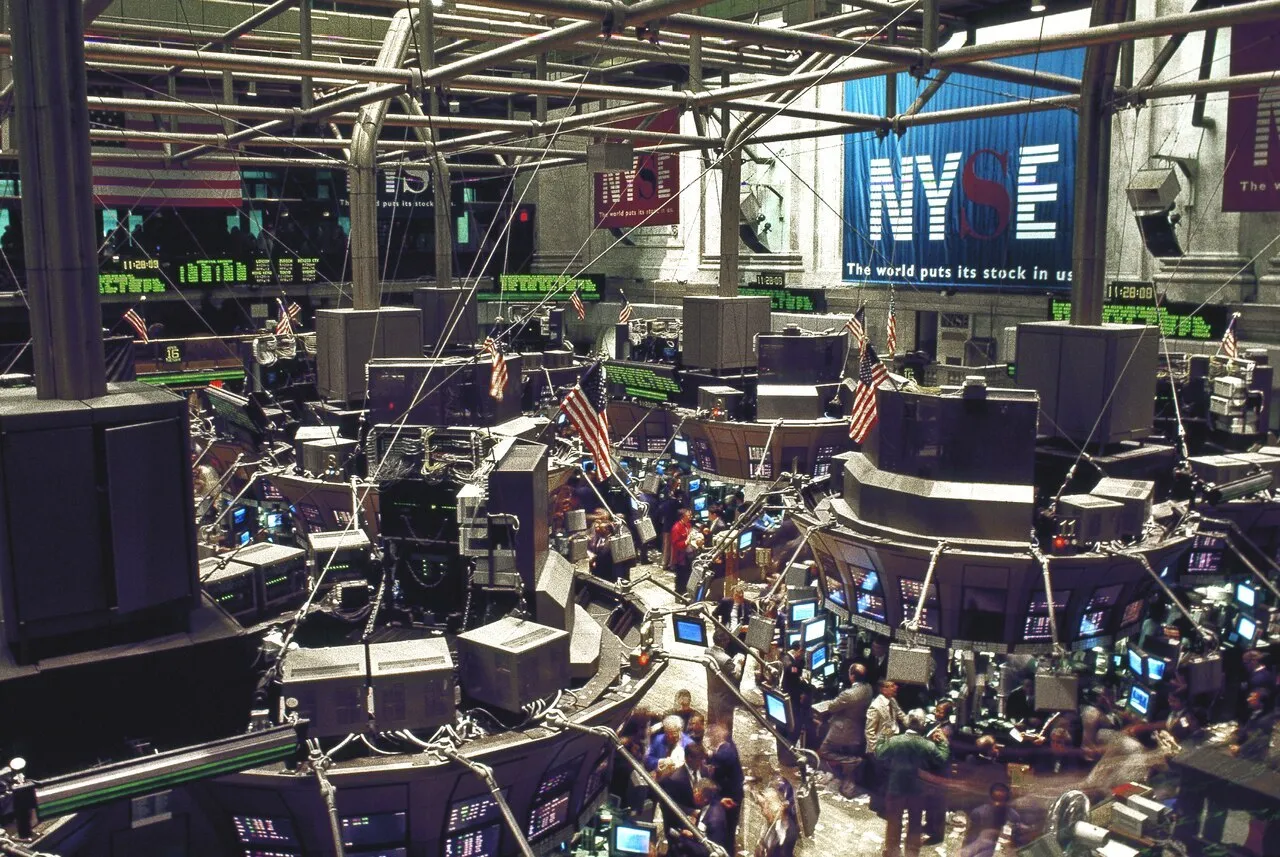
Wall Street spent Tuesday night finding out that Congress would change hands, and Wednesday deciding it liked knowing. The Dow Jones Industrial Average closed November 4 at 53,356.12, up 1,569.40 points, or 3.03% — its strongest session after a midterm election in 44 years.
The broader market followed at a calmer pace. The S&P 500 added 119.70 points, or 1.59%, to 7,688.62, and the Nasdaq Composite rose 364.50 points, or 1.44%, to 25,736.51.
Rates down, gold up, energy sold off
Government bonds moved with the stock market: the 10-year Treasury yield fell about six basis points to 4.89%. Gold gained 3.38% to $4,073.70 an ounce.
Underneath the headline numbers, the session was unusually lopsided by sector. Real estate was the best performer, up 3.96%, while energy was the worst, down by the same 3.96% — a symmetry driven by oil, which retreated as traders priced in the possibility of a deal between Washington and Tehran to end the war. By Thursday morning, Brent was trading near $94 a barrel and West Texas Intermediate near $88.
Among individual names, McDonald's rose 6.53% after better-than-expected earnings, and Alphabet gained about 3.2%.
The rally cooled overnight
Thursday opened with less conviction. Dow futures were up around 0.4%, while S&P 500 futures slipped about 0.1% and Nasdaq-100 futures fell roughly 0.7%. The VIX, Wall Street's volatility gauge, was down sharply near 17, and bitcoin traded around $80,200.
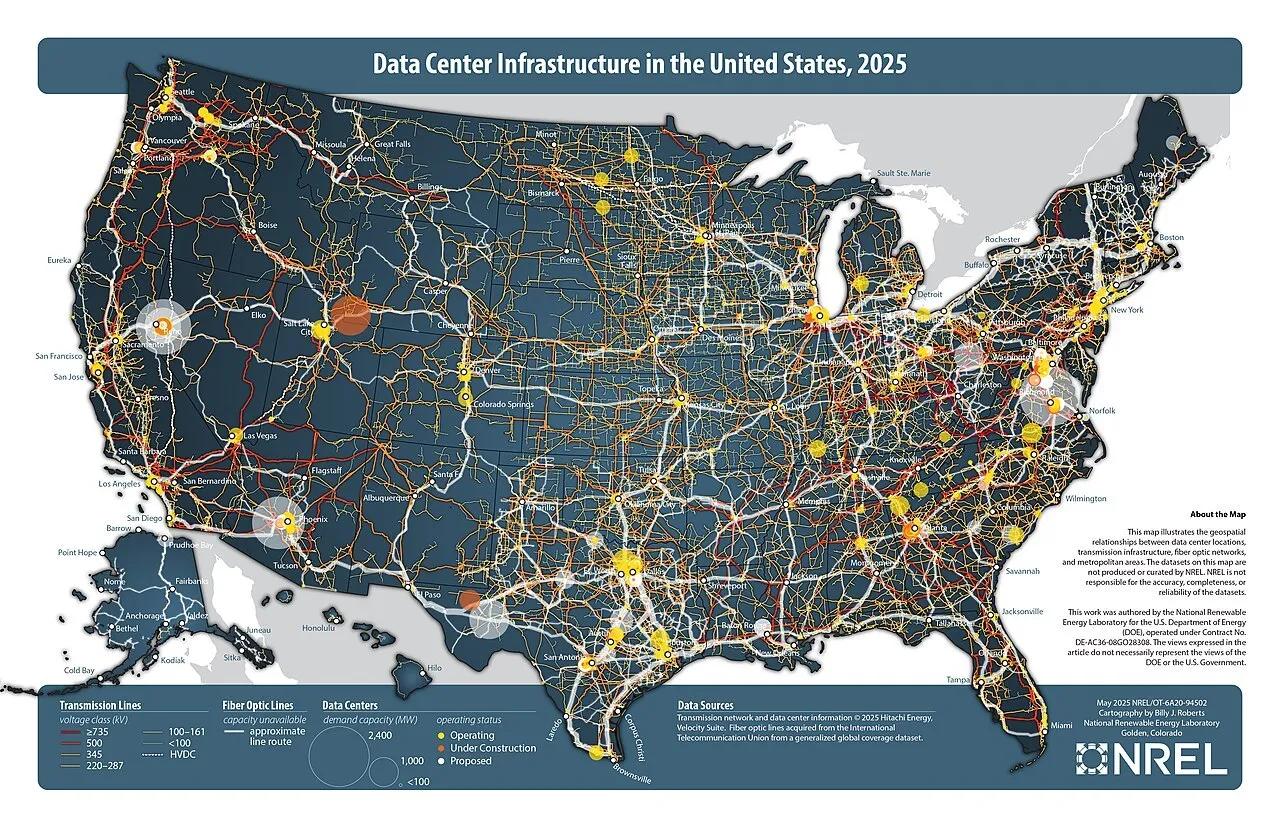
The pressure on the Nasdaq came from the same place it came from in Asia. South Korea's KOSPI fell nearly 5% in early trading, led down by semiconductor shares, on concern that a Democratic Congress will move to tighten regulation of AI data centers. Qualcomm, meanwhile, beat fourth-quarter estimates but guided first-quarter earnings below expectations, and Apple is reported to be trimming its internal AI budgets.
What the week still owes the market
The data calendar is the other half of the story. Initial jobless claims stood at 194,000 in the prior week, with continuing claims at 1.701 million, and preliminary third-quarter nonfarm productivity was expected to come in around +3%, after +1.4%. All of it is a warm-up for Friday's jobs report.
Worth keeping in proportion: a 3% day on the Dow says the market is relieved that an uncertainty has been removed, not that it has formed a view on two years of divided government. President Donald Trump has said he will use his veto power against the incoming majorities while working with Democrats on immigration — a combination whose fiscal and regulatory consequences no single session can price.
Reporting from The Motley Fool, Yahoo Finance and SBS News.