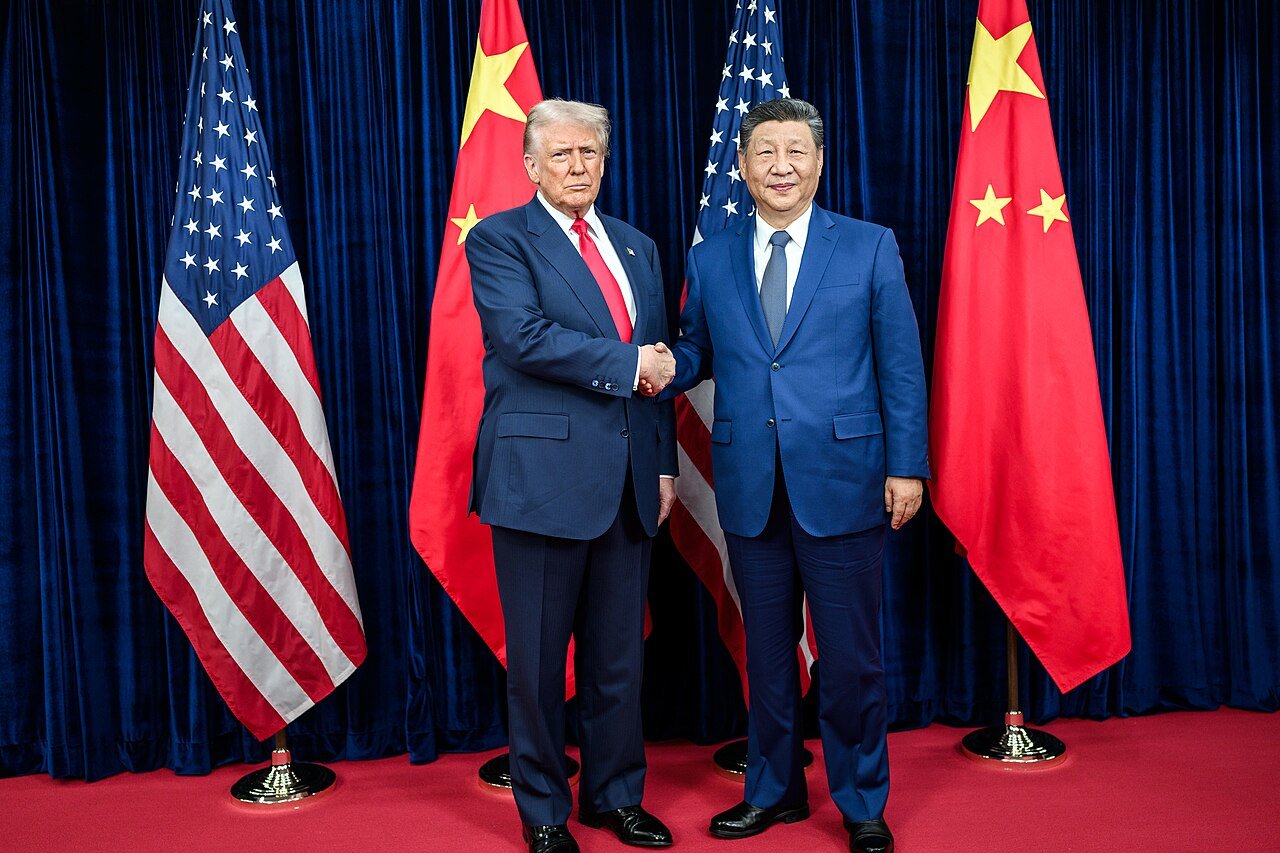
The United States and China will keep their tariff truce in place until January 10, 2027, two months longer than planned, Treasury Secretary Scott Bessent said on Thursday, September 24, 2026, as Xi Jinping's state visit to Washington drew to a close without the broader agreement both governments had signaled was possible.
The arrangement dates to October 2025 and had been set to expire on November 10, 2026. What was agreed is an extension of the existing terms, not a replacement for them — the tariff schedule, the suspensions and the purchase commitments all carry over unchanged into the new window.
What the extension keeps in place
On the American side, tariffs on fentanyl-related Chinese imports remain at 10 percent, and the Section 301 investigation into China's maritime and logistics industries remains suspended.
On the Chinese side, Beijing continues to hold back the retaliatory tariffs and countermeasures it had announced, and the export controls it placed on rare earths stay paused — the single provision with the widest reach into American manufacturing, since those materials feed magnets, defense electronics and electric vehicles.
Bessent told Fox News the extension was meant "to give us more time to see what we can do on the economic front." He did not commit to a deal by January 10, and left open the possibility of extending again.
The farm purchases are the sore point
The agricultural side of the truce is where the two sides disagree about performance rather than terms.
China's standing commitment covers 25 million metric tons of American soybeans, and Chinese buyers had already taken more than half of this year's target by mid-September, according to Global Agriculture. Bessent said Beijing had been "very fulsome" on soybeans specifically.
The rest of the ledger is thinner. On roughly $17 billion in other agricultural commitments, Bessent said the Chinese are "a little behind schedule."
The gap is not only political. Analysts quoted by Global Agriculture read Beijing's uneven buying as a straightforward price calculation: Chinese importers have been weighing the American commitments against cheaper soybeans from Brazil and Argentina, and buying accordingly. That makes the pace of Chinese purchases into 2027 a question for South American exporters as much as for Midwestern ones.
What did not happen
The summit produced no announced movement on the issues both capitals describe as the hardest.
Xi pressed Trump to halt American weapons sales to Taiwan, and no public agreement emerged. A major Taiwan arms package remains unapproved and now hangs over the two leaders' expected November meeting.
Trump had scaled back joint military exercises with South Korea the previous month, a long-standing Beijing demand. Neither Xi nor Chinese state media publicly acknowledged the concession.
On artificial intelligence, the Atlantic Council's read was that the two sides showed "some conceptual overlap around human control and misuse risks" but produced no agreement on any specific mechanism — no incident notification protocol, no constraint on advanced development.
The calendar is doing the work
The two-month extension functions less as a settlement than as a new deadline, and both leaders have reasons to keep the clock running. Xi wants Trump at the APEC summit in Shenzhen in November; Trump wants Xi at the G20 in Miami in December.
January 10 now sits just after both.
Reporting from the Atlantic Council, Supply Chain Dive and Global Agriculture, including Treasury Secretary Scott Bessent's remarks to Fox News.