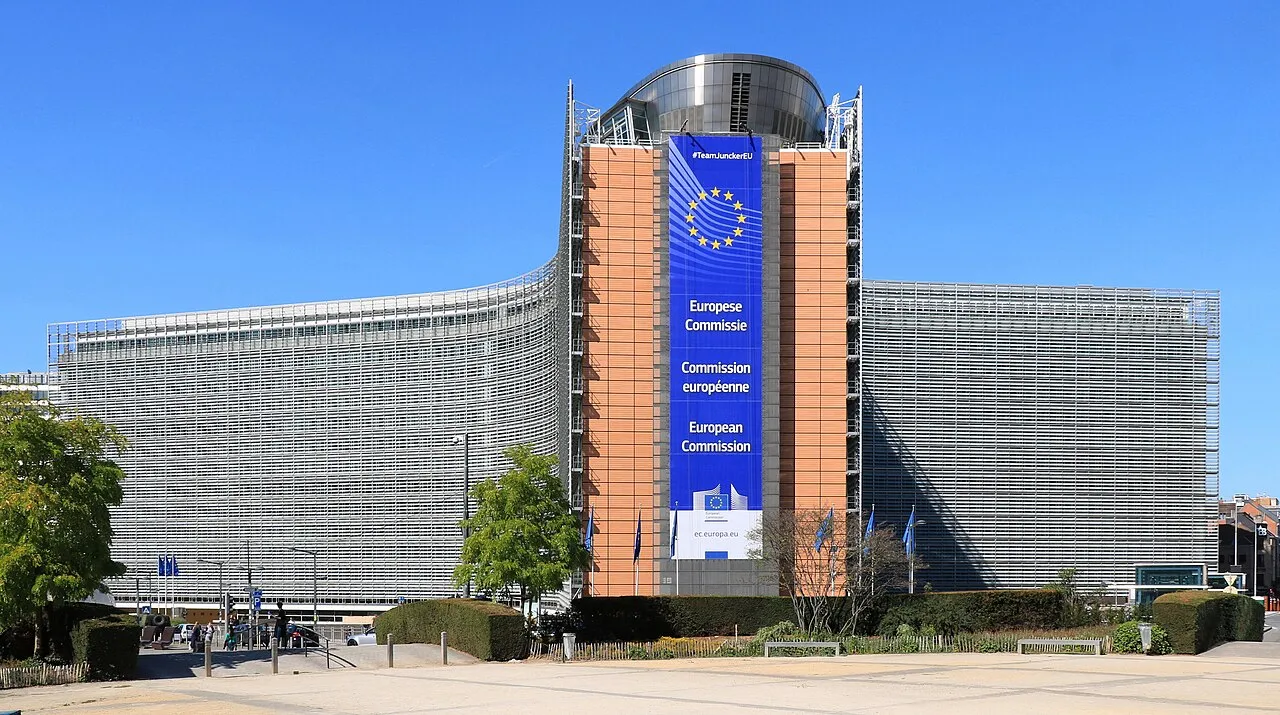
The United Kingdom and the European Union concluded on Friday in Brussels the negotiations on the reset package that has been under construction since last year's summit in London. The announcement came from the office of British Prime Minister Andy Burnham, who met European Commission President Ursula von der Leyen and European Council President António Costa. The joint text with the details of the agreement was due to be published later on Friday.
"In a more dangerous world, we are stronger together," Burnham said ahead of the meeting.
What is in the package
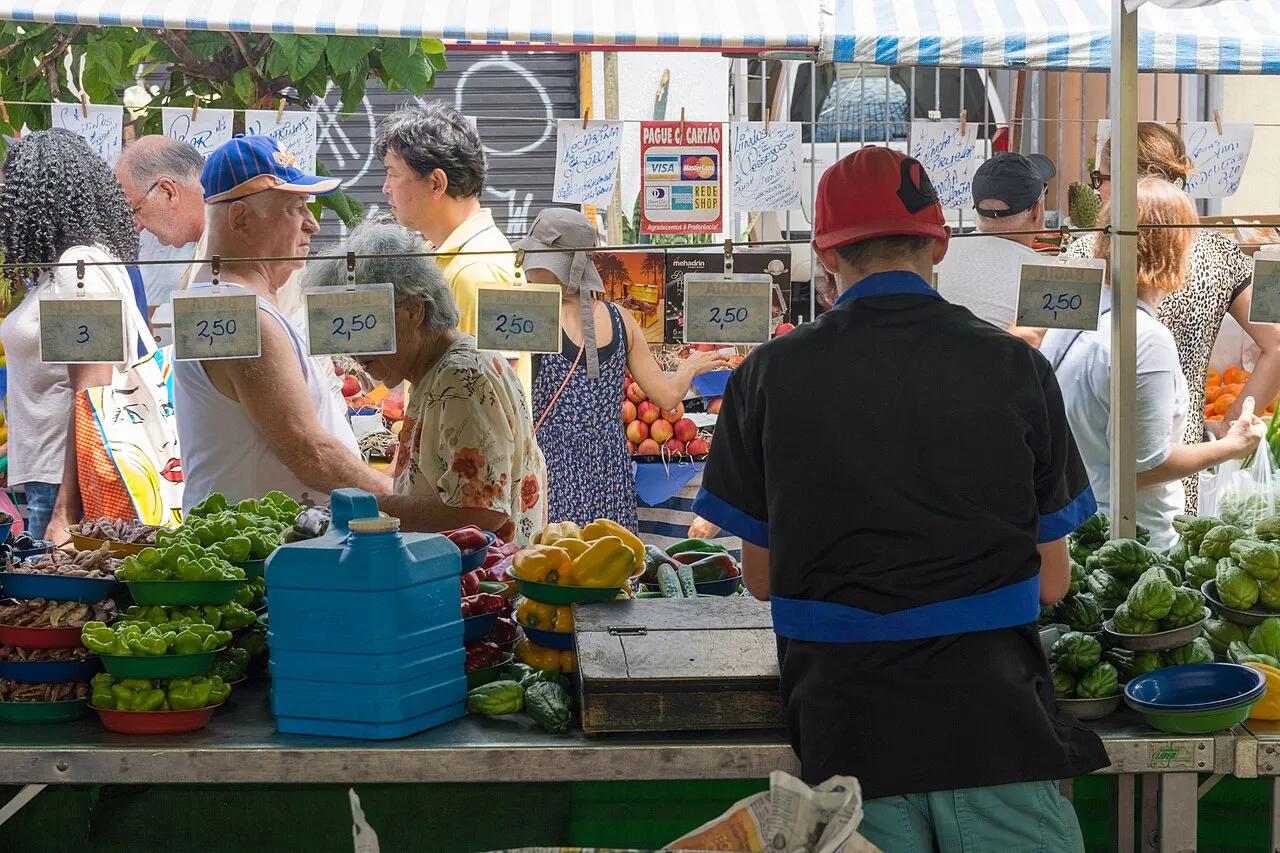
Food and agricultural products. The United Kingdom will dynamically align with the EU's sanitary and phytosanitary rules, which removes border checks on products of animal and plant origin — meat, dairy, wine, shellfish and seed potatoes, among others. Implementation is set for 1 March 2028, a deadline designed to give Parliament time to pass the necessary legislation. The British government says the deal should remove most of the "Not for EU" labels now required.
Carbon. The two carbon markets will be linked, which exempts businesses on both sides from the carbon border adjustment mechanism — the levy charged on imports of goods such as steel.
Young people. The Youth Experience Scheme provides for up to 100,000 visas a year for young people to live, work and study on the other side of the Channel, for up to three years. British press accounts differ on the final design: the PA news agency described the quota as covering young Europeans coming to the UK, while other outlets present it as reciprocal. The age limit has reportedly risen from 30 to 31. The British government says the scheme is "strictly capped and time-limited" and is modelled on the youth mobility arrangements the country already has with other partners.
What was left out
Tuition fees for EU students at British universities did not make it into the deal. Brussels wants those students to pay the domestic rate — currently about £9,970 a year, against roughly £38,000 charged to international students — and the issue was left to a negotiation with a six-month deadline, according to the British press. Fisheries, defence and association to Erasmus+, handled at earlier stages, do not feature in Friday's announcement.
The numbers in dispute
The British government calculates that the sanitary agreement could add up to £5.1 billion a year in food and drink trade, and the link between the carbon markets up to £3.8 billion a year, on roughly £6.5 billion of exports exposed to the border mechanism. Burnham said Treasury analysis published on Friday points to an effect of "up to 0.5% on GDP".
London denies that the package means payments into the EU budget: according to the prime minister's office, the two sides will share "proportionate contributions" to running costs, such as shared IT systems.
The opposition's attack is aimed precisely at the alignment with European rules. Reform UK leader Nigel Farage called the deal a "betrayal", and the Conservative shadow environment secretary, Victoria Atkins, said British farmers will have to follow rules they do not vote on — a point the government itself concedes, acknowledging that there will be consultation, but no vote, in the drafting of future EU sanitary rules.
With information from the UK Cabinet Office factsheet, the PA news agency and the Majorca Daily Bulletin.