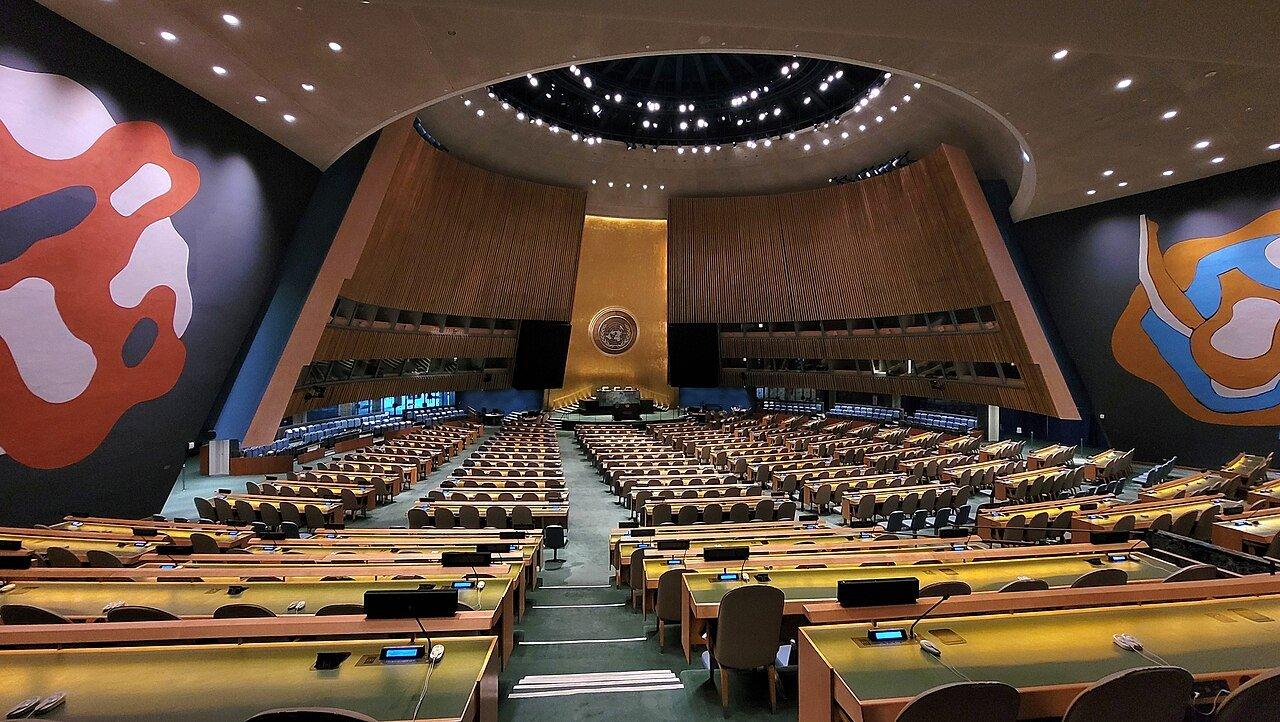
An independent mission set up by the UN Human Rights Council has concluded there are "reasonable grounds to believe" that the United States committed the war crime of launching indiscriminate attacks against Iran, in two bombings that killed more than 170 civilians on 28 February this year — the first day of the war against the country.
The document, released this week by the Independent International Fact-Finding Mission on Iran, is the first formal examination by a United Nations body of how the war has been waged. The mission's members are independent experts: they are not UN staff and do not represent any government or organisation.
The two strikes examined
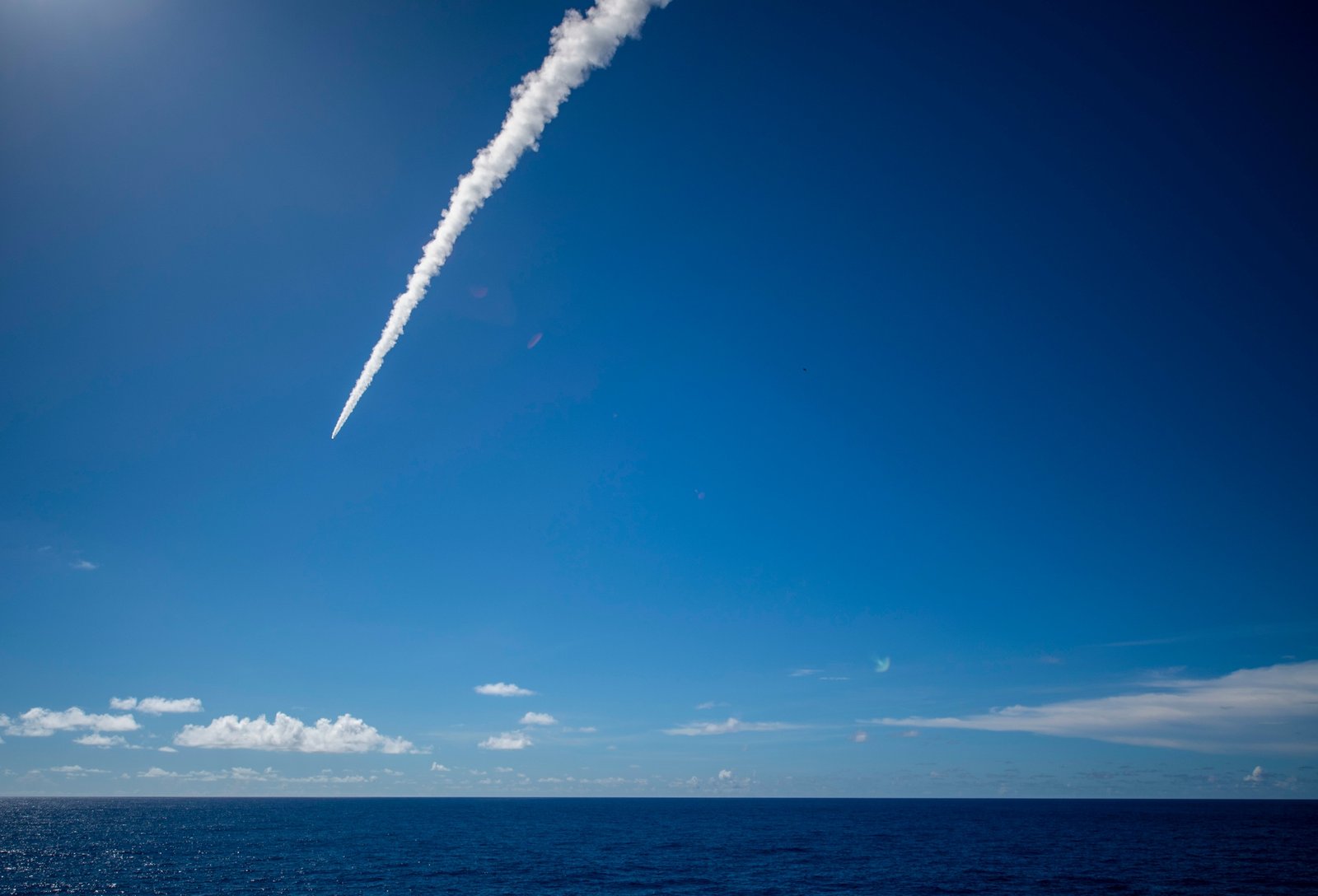
The central case in the report is the bombing of the Tree of Tayyiba Elementary School in Minab, in the south of the country, hit by Tomahawk missiles. The mission counted more than 150 dead, among them about 120 children.
For the experts, the building was identifiable from the air. The report cites children's murals painted on the exterior walls, the school signage and the playground area, and says the United States "failed in its obligation to do everything feasible to verify that it was a military objective".
The second case is the strike on a sports complex and a residential area in Lamerd, which killed 22 civilians. An Islamic Revolutionary Guard Corps compound stood next door, but the mission found the sports centre was "visibly separate" from it.
Together, the two episodes left more than 170 civilians dead.
The report also accuses Iran
The same document attributes crimes against humanity to the Iranian government during the crackdown on the 2025 and 2026 protests. According to the mission, killings by security forces occurred "on a massive scale, in all provinces".
The figures compiled by the experts include at least 221 children killed — some as young as two — tens of thousands arbitrarily detained, with reports of torture and solitary confinement, at least 29 men executed in connection with the protests and more than 70 at imminent risk of execution. The mission indicates the real death toll exceeds Iran's official figure of 3,038.
Reactions and recommendations
The White House rejected the findings on the United States, treating the report as unserious. As of publication there had been no formal response from the Iranian government to the accusations directed at Tehran.
The mission recommends that both countries halt the violations immediately, provide full reparations to victims and ensure independent investigations leading to accountability, alongside a permanent diplomatic settlement.
It is worth noting what the document can and cannot do: a fact-finding mission is not a court and convicts no one. What it produces is a record of evidence — material that, in the past, has fed cases in national and international courts years later.
With information from UN News, Al Jazeera and Democracy Now.