Volkswagen is recalling 2.86 million vehicles worldwide because a bolt that holds the steering gear in place can corrode until it fails. The announcement came on Friday, 25 September, and covers cars from both the Volkswagen and Audi brands built over more than a decade.
According to Audi, the part can degrade when moisture combines with the salt used to clear roads in winter. After some years of exposure, a failure of the bolt can impair the steering system and, in the worst case, cause a loss of control — a risk the carmaker is treating as precautionary, with no confirmed case.
Which cars are affected
The recall splits between the two brands:
- Volkswagen: roughly 2.16 million units worldwide, of which about 900,000 are in Germany. The models are the Golf, Golf Variant, Tiguan, Touran and Caddy, built between 24 September 2013 and 1 July 2024.
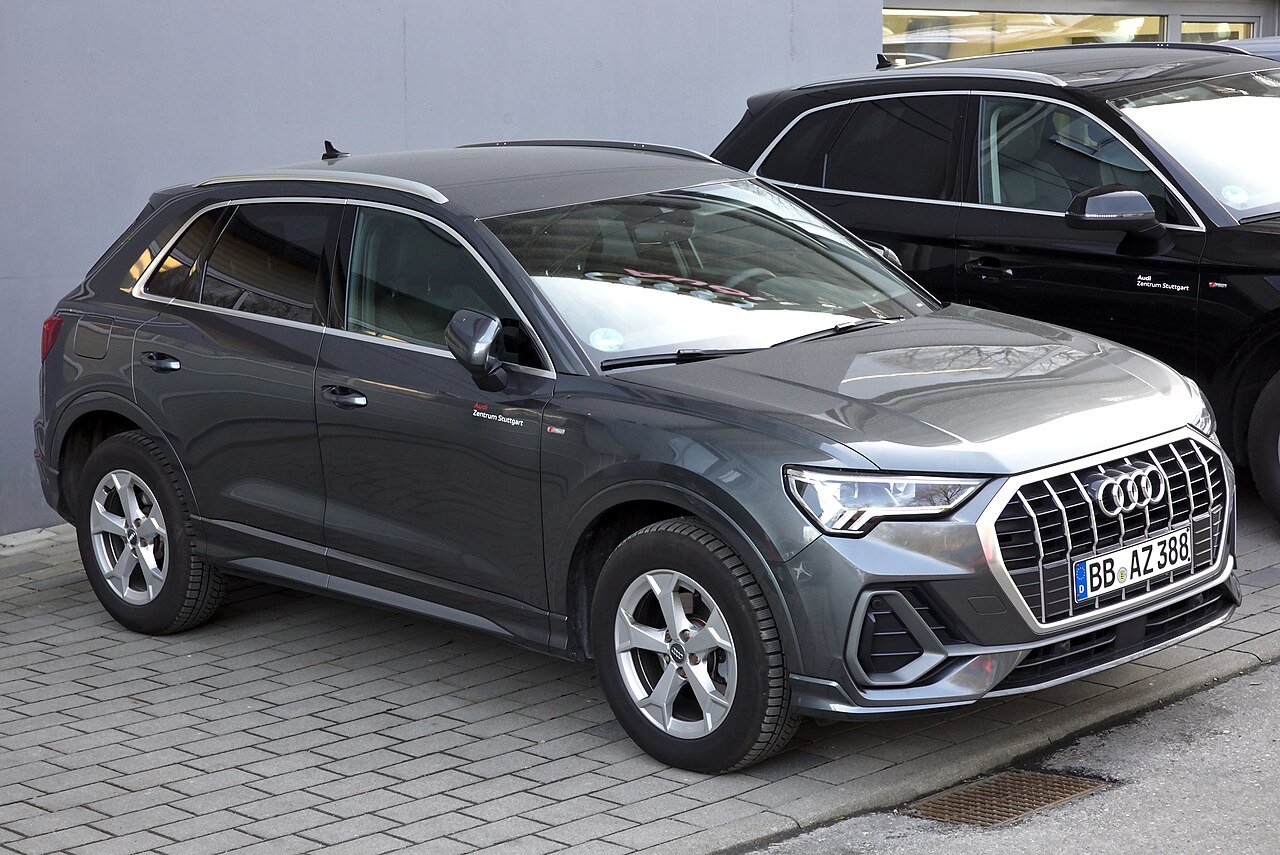
- Audi: more than 696,000 units, of which 58,555 are in Germany. Only the Q3 is on the list, in units produced between 31 October 2017 and 23 May 2024.
The line-up is not the same in every market. In the United States, where the recall reaches more than 208,000 vehicles, it covers the 2018 Volkswagen Tiguan, the 2018 and 2019 Volkswagen Atlas and the Audi Q3 from 2019 to 2021 — the Atlas, which is not sold in Europe, appears there and not on the German list.
What can go wrong
The technical description is more specific than "a steering problem". The bolt in question fastens the steering gear to the vehicle's structure — in the detail filed with the US regulator, NHTSA, it is the right-hand bolt securing the steering rack to the subframe.
Premature corrosion of that part, the agency says, creates a risk of losing steering control particularly during low-speed manoeuvres, such as parking. It is a detail that changes how the risk reads: the likelier scenario is not a failure at motorway speed, but the moment a driver forces the wheel while stopped or nearly stopped.
Audi says it identified the problem during internal inspections and describes the recall as preventive.
What the regulators say
In Germany, the KBA — the federal motor transport authority, which oversees recalls in the country — still lists the case as "under investigation", meaning the final assessment has not been issued. The agency records that so far "there have been no known incidents with damage to persons or property".
How the repair works
Authorised workshops for both brands will replace the bolt with a more corrosion-resistant version, at no cost to the owner. Audi estimates up to one hour of work per vehicle. Owners can check whether their car is included by giving their vehicle identification number (VIN) to an authorised dealer.
By volume, the case ranks among the largest recalls of the year in the car industry — and the production window, close to 11 years on some lines, is what explains the scale: the part ran through several generations of the group's best-selling models in Europe.
With information from Euronews, the Associated Press, the KBA and NHTSA.