AD Ports Group, the state-owned port operator of Abu Dhabi, reported on Wednesday, 11 November, a net profit of Dh767 million (about $209 million) for the third quarter, up 73% on the same period of 2025, and revenue of almost Dh8 billion, 48% higher. The result is the clearest picture yet of an entire economy learning to operate without the Strait of Hormuz.
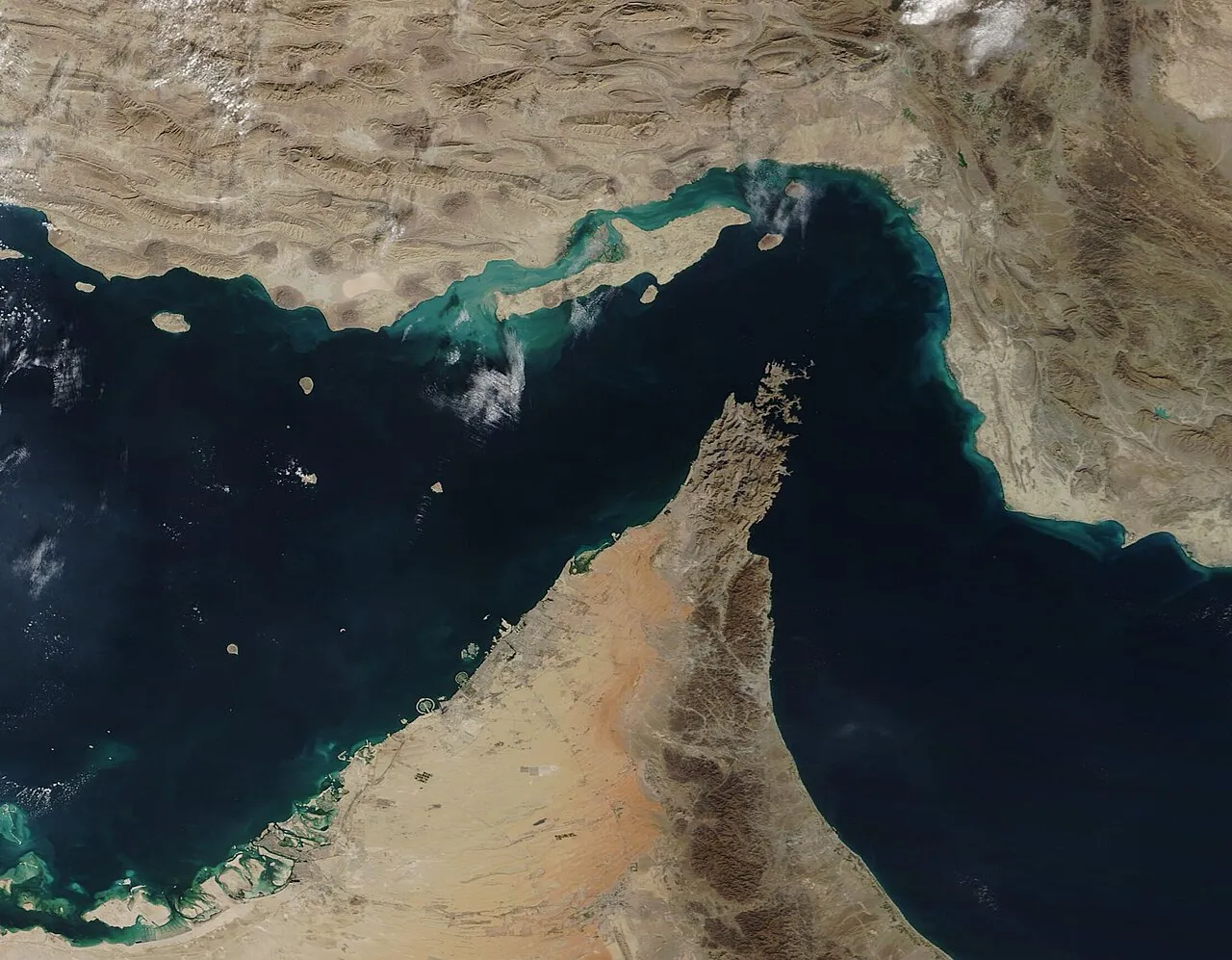
The passage has been effectively closed to commercial traffic since 28 February, when the war between the United States and Iran began. Attempts to reopen it have failed, and there is no deal between Washington and Tehran.
The diversion
Since March, the company has rerouted cargo and feeder shipping to two terminals that sit outside the strait, on the Gulf of Oman: Fujairah Terminals and the port of Khor Fakkan. It has also set up road and air bridges and expanded warehousing and storage. That is what the segment figures show:
- maritime and shipping: Dh4.74 billion, up 56% and almost 58% of total revenue
- logistics: Dh1.96 billion, up 76%
- ports: Dh798 million, up 12%
- economic cities and free zones: Dh690 million, up 15%
Afif Al Yafei, who became group chief executive last week, spoke of "record results" in one of the "most challenging" periods in the company's 20-year history.
The number that shows the size of the shock
One figure in the results is not about recovery. Container throughput in the United Arab Emirates grew 30% from the second quarter — and is still 57% below the level of a year earlier. In other words: diverting cargo sustains the operator's revenue, but it does not replace the volume that used to pass through the strait.
The group is also changing hands: it is preparing to delist from the Abu Dhabi exchange (ADX) after the sovereign vehicle L'imad met the requirements to proceed with a voluntary cash offer for up to 100% of the company.
Oil up and 37 ships attacked in October
The oil market moved the other way on the same day. Brent rose 1.1% to $92.53 a barrel and WTI 0.8% to $86.71, recovering from two-month lows — a move attributed to continuing attacks on shipping in the region, despite hopes of easing tensions between the United States and Iran.
The Washington Institute for Near East Policy counted 37 vessels attacked in the strait and nearby waters in October, the highest monthly total since the war began, and November shows no slowdown. On Tuesday, UK Maritime Trade Operations (UKMTO), the British body that monitors shipping in the area, reported another tanker attack northeast of Lima, Oman. Iran's Revolutionary Guards Navy said two tankers caught fire after striking naval mines while sailing an unauthorised route.
Analysts at LSEG judge that a diplomatic agreement would not immediately restore normal oil flows: the strait would have to be cleared of mines, and insurance costs and shipowners' refusal to risk crews and hulls would remain. US crude inventories rose by 9 million barrels in the week ending 6 November, according to American Petroleum Institute data cited by market sources.
Before the closure, more than 10 million barrels of oil a day passed through the strait — around a fifth of world consumption. That is the volume the UAE's logistics industry has been trying to work around by land, by air and through ports that open onto the ocean, and AD Ports' results show at once how much can be diverted and how much has been lost.
With information from The National, market data from LSEG and the American Petroleum Institute, the Washington Institute for Near East Policy and UK Maritime Trade Operations.