South Africa's Independent Electoral Commission (IEC) declared the final results of the municipal elections held on 4 November on Sunday. The African National Congress (ANC), in power since the end of apartheid, took 30.76% of the vote — against 45.59% in the previous local election, in 2021, according to Reuters.
That is a drop of almost 15 points in five years and, according to tallies published by the South African press, the lowest level ever recorded by Nelson Mandela's party in a municipal election.
The announcement was made at the National Results Operation Centre in Midrand by the commission's chairperson, Mosotho Moepya. "It is then my singular honour to hereby declare the 2026 Municipal Elections concluded as free and fair," he said. Moepya also paid tribute to a commission staff member who died at a voting station in Mahikeng on election day, and said the vote had been largely peaceful.
How the vote divided
| Party | Vote | Seats |
|---|---|---|
| ANC | 30.76% | 3,246 |
| Democratic Alliance (DA) | 24.64% | 1,695 |
| uMkhonto weSizwe (MK) | 9.76% | 785 |
| Economic Freedom Fighters (EFF) | 6.22% | 588 |
| ActionSA | 5.67% | 313 |
The remaining parties and independent candidates together took 22.97%. There were 10,526 seats at stake, with 520 parties and 626 independent candidates standing, according to the newspaper The Citizen.
MK, founded by former president Jacob Zuma, came third in its first local election with almost 10% of the vote — a share drawn largely from the ANC's own historic electorate, above all in KwaZulu-Natal.
127 councils without a majority
Of the 213 municipal councils declared, 127 were left with no party above 50% of the seats, the electoral commission said — close to double the figure after the 2021 election. Outright majorities were recorded in 72 councils, by the IEC's count.
The ANC has outright control in 53 municipalities and is the largest party, without a majority, in another 128. The DA has outright control in 12 and leads in 32. The Inkatha Freedom Party (IFP) controls 5 and leads in 19; MK controls 3 and leads in 19. One municipality in the Northern Cape went to Rise Tsantsabane Communities.
The practical consequence arrives in the coming weeks: in almost two thirds of the country's municipalities, forming a local government and passing a budget now depends on deals between parties that campaigned against one another.
Turnout up
The IEC recorded 14.9 million votes from 29.2 million registered voters, a turnout of 52% — up 6.1 points from 45.9% in 2021. Spoilt ballots came to 1.84%. In Douglas, in the Northern Cape, ballot papers were destroyed and the commission will schedule a re-vote.
An electoral integrity survey by the Human Sciences Research Council (HSRC) found that 90% of respondents considered the procedures free and 91% fair. Trust in the commission itself, however, fell to 81%, against 93% in 2016.
Ramaphosa calls for "good faith" talks
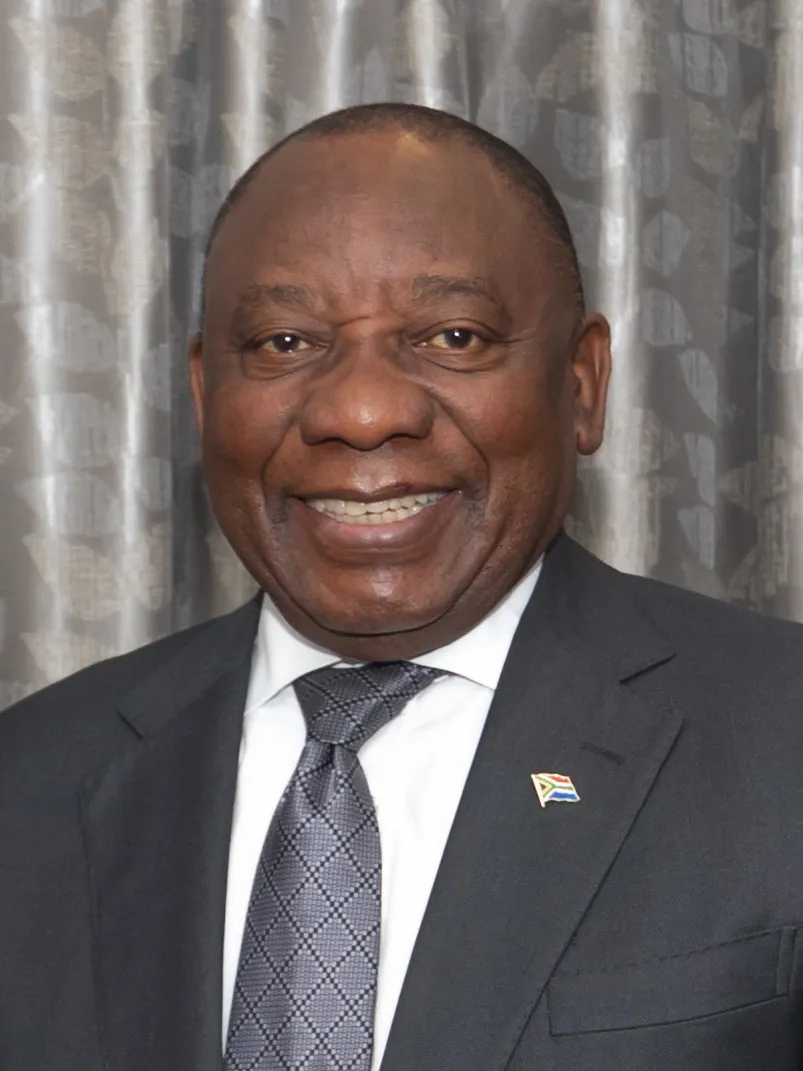
President Cyril Ramaphosa, who leads the ANC, said voters had made their choices freely and would hold the elected to account. He said public office is "a privilege that carries a responsibility of service" and argued that hung councils should not be read as a failure of democracy.
Ramaphosa urged parties to negotiate in good faith so that councils can be formed and budgets passed on time, and warned that the talks should not turn into a contest over positions and privileges: voters, he said, "expect their lives to improve". ActionSA has already opened talks with the ANC and the EFF.
With information from South Africa's Independent Electoral Commission, Reuters, The Citizen, the Mail & Guardian and allAfrica.