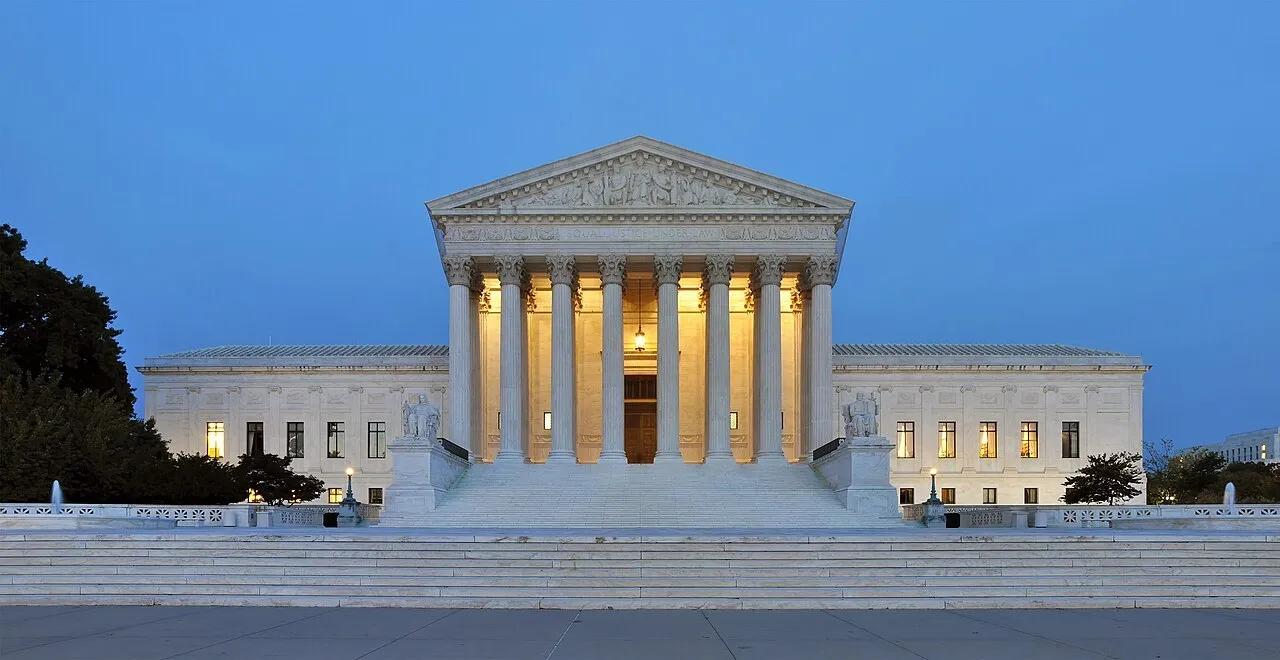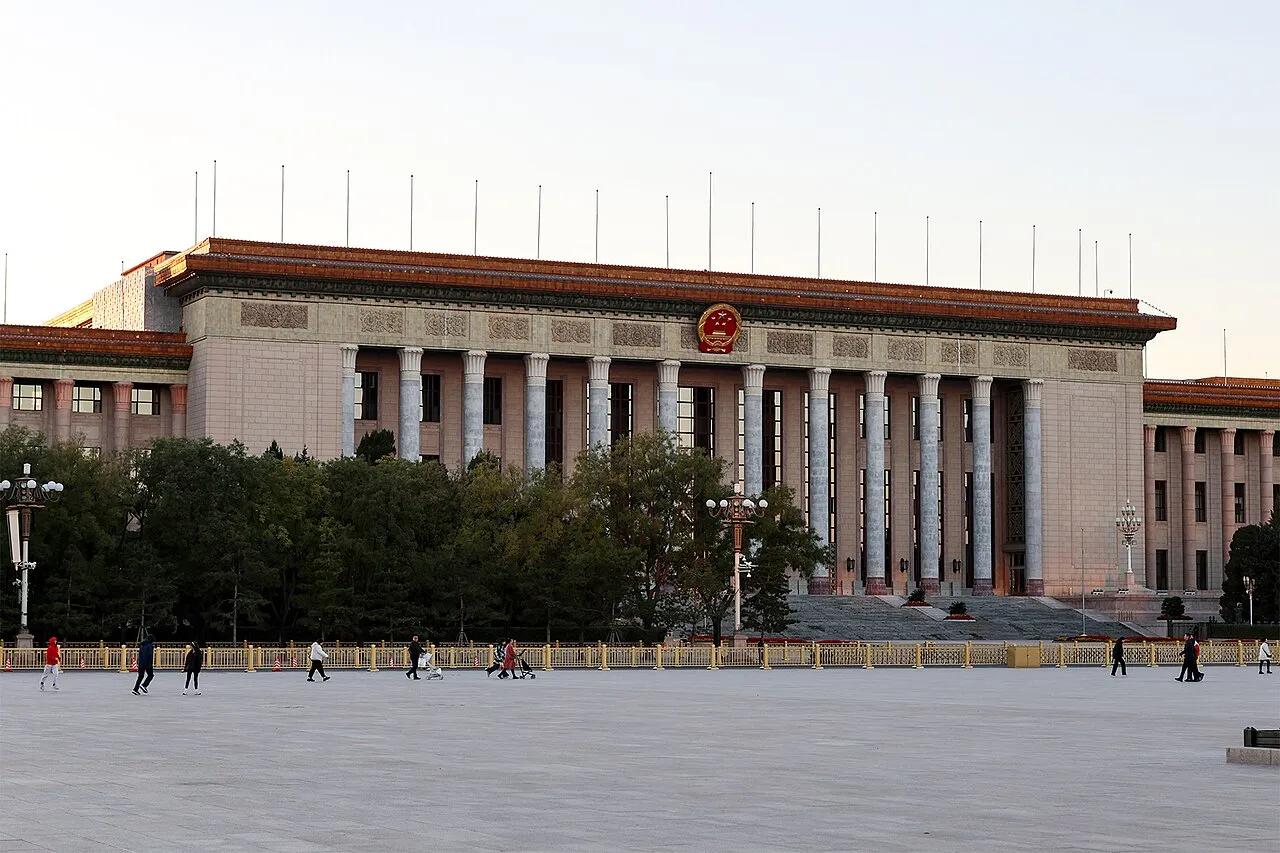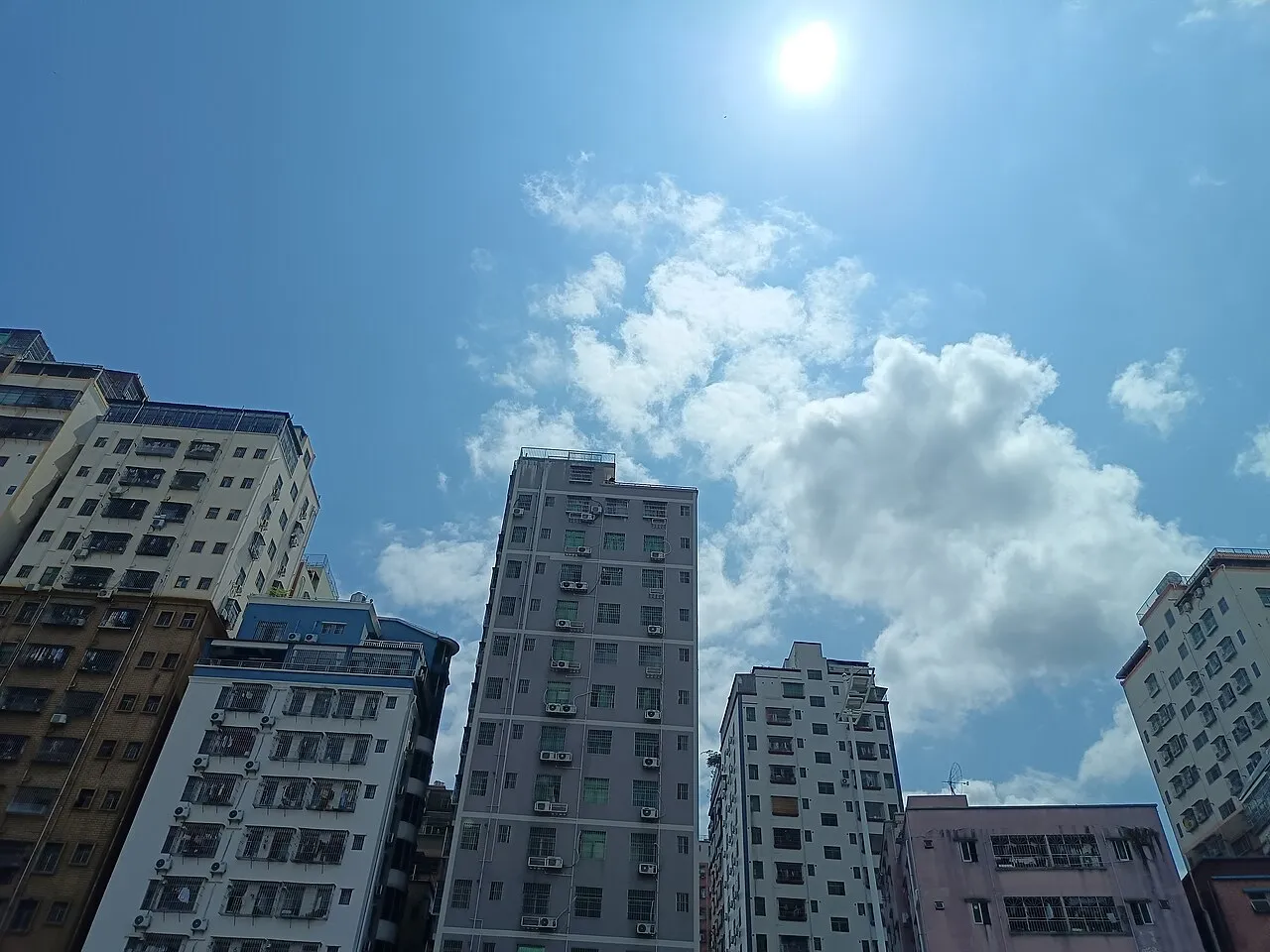
The White House confirmed on Friday that Donald Trump, Xi Jinping and Vladimir Putin will sit at the same table on Thursday, 19 November, in Shenzhen, in southern China. It is the first time the presidents of the United States, China and Russia have met together, and the announced subject is the one thing each of them keeps in silos: nuclear weapons.
The meeting takes place on the sidelines of the Asia-Pacific Economic Cooperation (APEC) summit, which brings together 21 economies and holds its leaders' session on the morning of that same Thursday. According to American officials who briefed reporters on condition of anonymity, the three-way meeting should come near the end of Trump's stay in the city, after a bilateral meeting with Xi scheduled for the afternoon.
What is on the agenda, and what is not
White House deputy spokesperson Olivia Wales said Trump intends to discuss "the reduction of nuclear weapons in the world" and that the president regards nuclear proliferation as very dangerous. A senior American official added that Trump also expects to bring the US war with Iran into the trilateral conversation.
Ukraine, no. There is a "whole nother track" with the Russians, one China is not part of, the same official said. No bilateral Trump-Putin meeting is planned on the trip. In Kyiv, President Volodymyr Zelenskyy voiced concern that the meeting could be used to discuss a deal over his country without Ukraine in the room.
Official expectations are deliberately low. "We do not expect to get to any kind of agreement," a senior American official said, describing the meeting as "the entry point, the first conversation". Another said the time had come for China to "step up" and join "adult conversations about adult things".
Why now
The last nuclear treaty in force between the United States and Russia expired in February. With it went the numerical caps on the planet's two largest arsenals, for the first time in more than half a century. Trump turned down a Russian offer to extend the deal for a year and has since pressed for a new pact that includes China.
The numbers explain Beijing's reluctance. By Pentagon estimates, China holds more than 600 nuclear warheads, while the United States and Russia each hold more than 5,000. A trilateral deal freezing arsenals at current levels would lock in a Chinese disadvantage of eight to one — and that asymmetry, more than any objection of principle, helps explain why Beijing has shown little interest in sitting down.
Yalta, but not
The comparison with the 1945 Yalta Conference surfaced as soon as the meeting was announced, and the Kremlin rejected it. Spokesman Dmitry Peskov said any agreements reached in Shenzhen could not be imposed on third countries. Moscow nonetheless called the meeting "extremely significant" and argued for a global order based on mutual benefit.
There is a calendar irony here for China. APEC is the showcase through which Beijing presents Shenzhen as a technology hub and defends multilateralism and free trade. A summit of three nuclear powers negotiating over everyone else's heads, on the final day, tends to drown out precisely that message.
The trip
Trump's itinerary begins on 16 November and includes a Quad meeting in Manila on Tuesday evening, before he arrives in China. Businessman Elon Musk will join part of the visit but, according to aides, will not take part in the trilateral summit or the meeting with Xi. American officials ruled out any planned contact with Kim Jong Un.
To measure how unusual the meeting is, the record of pairings is enough: Putin and Xi have met more than 40 times since 2013; Trump and Putin seven times, most recently in Alaska in August 2025; Xi and Trump eight times in person, including Xi's visit to Washington in September. The three of them together, never.
With information from the Associated Press and The Jerusalem Post.