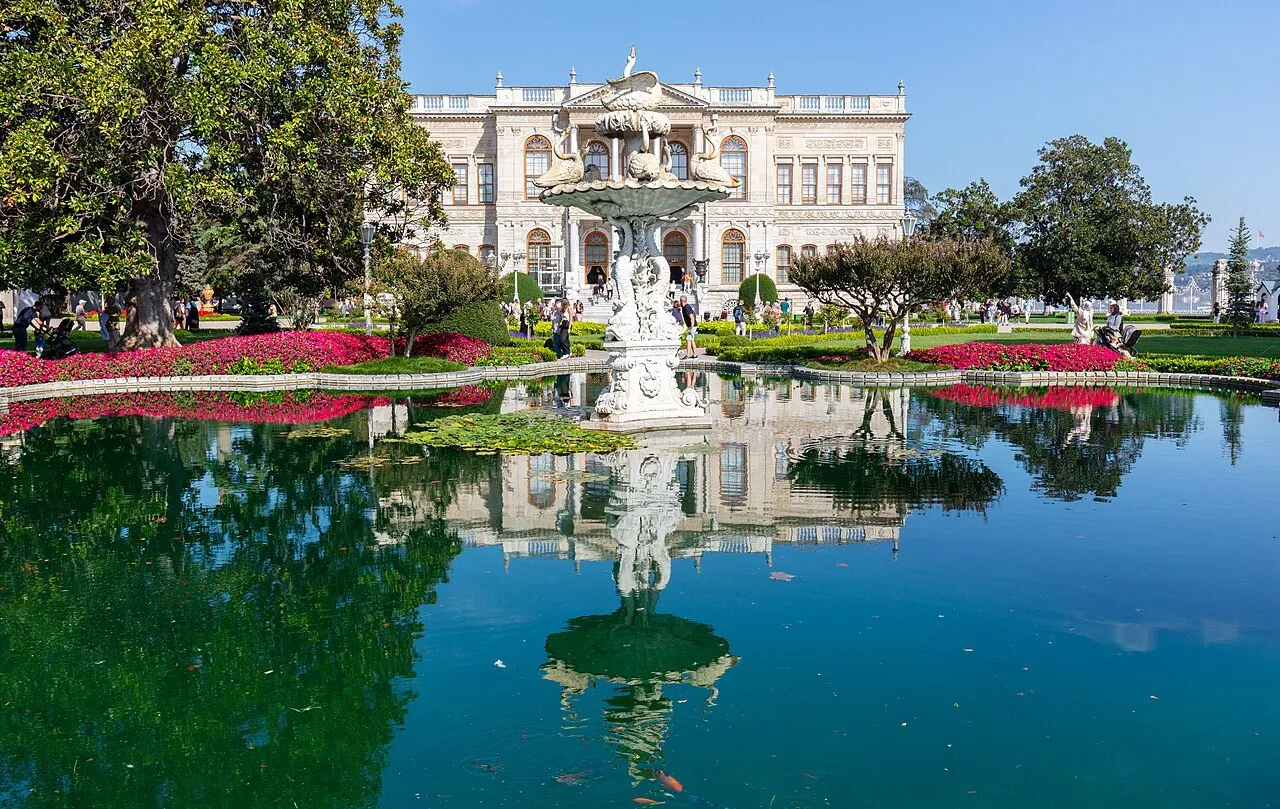
Turkey and Qatar signed a mutual defence agreement in Istanbul on Friday under which the two countries commit to taking a common position in the event of an attack on either of them. The signing took place at Dolmabahçe Palace, during the 12th meeting of the High-Level Strategic Committee that brings the two governments together, with President Recep Tayyip Erdogan and the Qatari emir, Sheikh Tamim bin Hamad Al Thani, in attendance.
The defence agreement was one of five documents concluded at the meeting. The others are an education agreement, a memorandum on consumer protection and market supervision, a memorandum on peace, reconciliation and conflict resolution, and the committee's own joint declaration.
According to Turkey's Directorate of Communications, Erdogan said the defence agreement adds "a new dimension" to bilateral ties, that cooperation in the defence industry will expand and that Ankara wants to diversify its energy partnership with Doha. The Turkish president also said the two countries will work together to prevent a resumption of war in the Gulf region and to promote dialogue. Emir Tamim described the pact as a "strategic partnership".
The third arrangement in four months
The agreement with Qatar does not stand alone. In August, Turkey, Pakistan and Saudi Arabia signed a regional mutual defence pact. In October, Qatar, Indonesia, Pakistan and Turkey signed a multilateral defence cooperation memorandum in Doha, named "Badr". Friday's text is therefore the third piece of a collective defence architecture Ankara has been assembling in the Gulf and South Asia since mid-year — and the first of them that is strictly bilateral.
The design has a cause the parties themselves have stated: the war with Iran changed the security calculus of the Gulf monarchies. "The security of the Gulf countries was affected by the war with Iran," Turkish analyst Yusuf Alabarda told Al Jazeera, arguing that the presence of Turkish troops in Qatar has become an important part of the arrangement. He expects Turkish weapons and air defence systems to be deployed in the country soon.
The economic side
The two governments also took up trade. The trade and economic partnership agreement between Turkey and Qatar has been in force since last year and, according to the Turkish government, has moved the two countries closer to the bilateral target they had set. Energy is the front Ankara wants to widen: Qatar is one of the world's largest exporters of liquefied natural gas, while Turkey buys gas from Russia, Azerbaijan and Iran, a supplier mix it has been trying to reduce.
Neither government released the text of the mutual defence clause or explained what sort of obligation it creates — whether the joint response envisaged is military, diplomatic, or both. Until that is published, the practical reach of the agreement remains an open question.
With information from Al Jazeera and the Hürriyet Daily News.