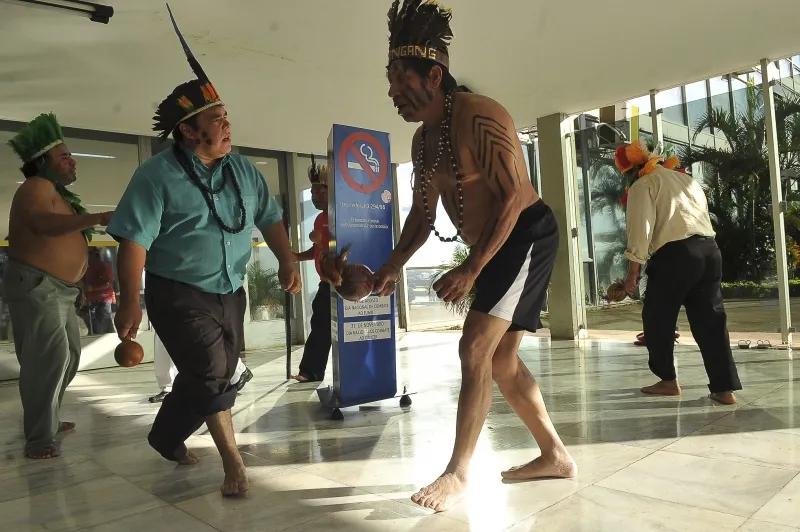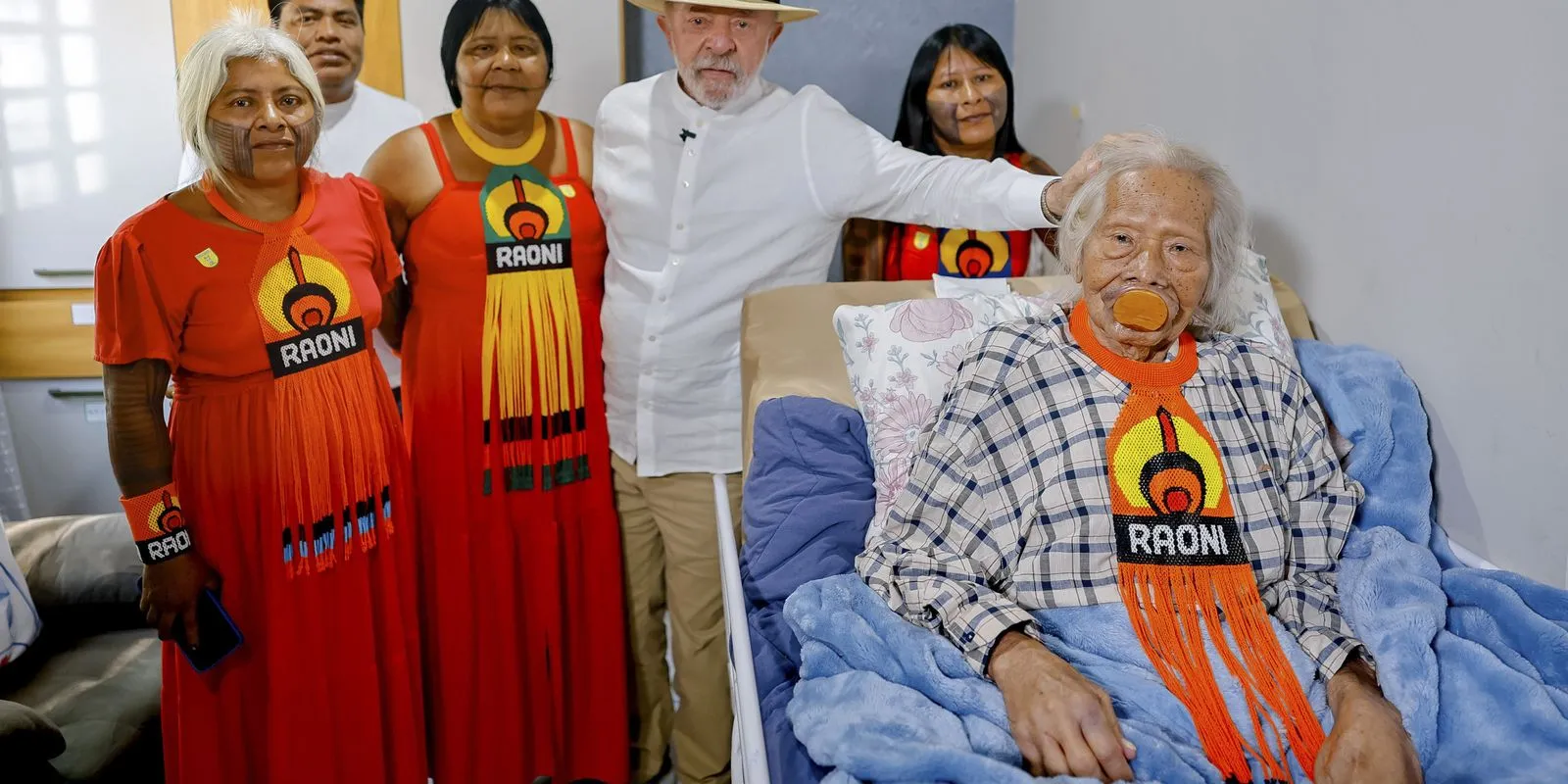
President Luiz Inácio Lula da Silva on Thursday signed the declaratory order for the Kapôt Nhĩnore Indigenous Land, the territory of the Mẽbêngôkre people — widely known as the Kayapó — on the border between the states of Mato Grosso and Pará. He signed it at the Instituto Raoni, in Peixoto de Azevedo, during a visit to Chief Raoni Metuktire, 94, who was born in the area now delimited.
The order comes from the Ministério da Justiça e Segurança Pública (Ministry of Justice and Public Security) and declares permanent possession of the land for the Mẽbêngôkre, chiefly of the Mẽtyktire subgroup, and for the Yudjá (Juruna), according to Funai, the federal indigenous affairs agency. The minister for Indigenous Peoples, Eloy Terena, and Funai's president, Lucia Alberta Baré, attended the signing.
The territory
The land covers 362,243 hectares across the municipalities of Vila Rica and Santa Cruz do Xingu, in Mato Grosso, and São Félix do Xingu, in Pará. According to Agência Brasil, 83% of the area is forested. The territory holds sites of sacred value to the Mẽbêngôkre, among them old cemeteries.
The area was left outside the perimeter of the neighbouring Capoto/Jarina Indigenous Land when that territory was regularized in the 1990s. Colonization fronts pushed into the Xingu valley from the 1950s onward and drove indigenous people out of the region.
Thirty years of process
The first formal claim dates from 1997. Funai approved the identification and delimitation studies in July 2023. In April this year, at the Acampamento Terra Livre — the annual indigenous mobilization in Brasília — the agency announced the end of the administrative challenge phase, with 32 challenges dismissed. On 6 October, the 12th panel of the Tribunal Regional Federal da 1ª Região (Federal Regional Court for the 1st Region) unanimously upheld the regularity of the studies.
The declaratory order does not close the process. Under Decreto 1.775/1996, the decree that governs demarcation, it fixes the boundaries and orders the physical demarcation of the territory; ratification, by presidential decree, and registration of the land come only afterwards.
What is still unresolved
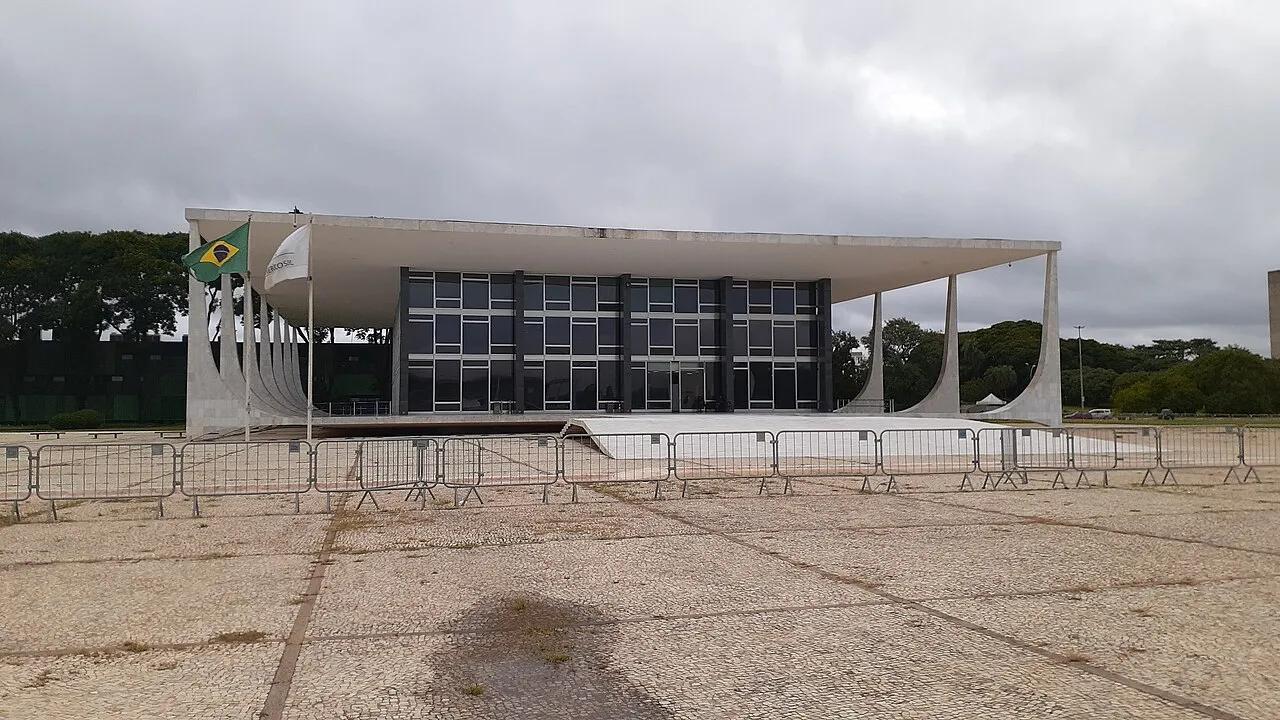
Inside the area there are, according to Lula, just over 200 non-indigenous properties, with a possession suit pending at the Supremo Tribunal Federal (Supreme Federal Court). The president said "a bit of a fight" remains and promised to work to settle the case for good.
Lula also recounted the criticism that the land is too large for a community of some 60 people, and said the State would change the way it treats indigenous peoples: in the term that begins on 5 January, he said, the government intends to visit the communities, map their problems in health, education and work, and help solve them. "It is not fair for us to demarcate your land and for you to go on going hungry," he said.
"Recognition of this territory is the realization of a decades-long struggle by indigenous peoples," Lucia Alberta Baré said at the ceremony.
Funai's record
Between 2023 and July this year, according to the agency, 23 identification and delimitation studies were approved, covering more than 8.5 million hectares; 20 territories were ratified, with more than 3.2 million hectares; 22 were declared indigenous possession, with more than 1.5 million hectares; and 31 indigenous reserves were created on public land, covering more than 86,000 hectares.
Raoni
Raoni Metuktire, the best-known Brazilian indigenous leader abroad, climbed the ramp of the Palácio do Planalto at the inauguration of 1 January 2023 and received from Lula, in April 2025, the Grand Cross of the Ordem Nacional do Mérito (National Order of Merit). He has cancer of the digestive system and receives palliative care at home; he was hospitalized in serious condition on 15 June and returned home exactly one month later.
During the visit, Lula said he had been "in anguish" over the hospitalization and gave thanks for being able to tell the chief, while he is still alive, that his land was being made legal. He called Raoni the "most legitimate" Brazilian alive.
With information from Agência Brasil and Funai.