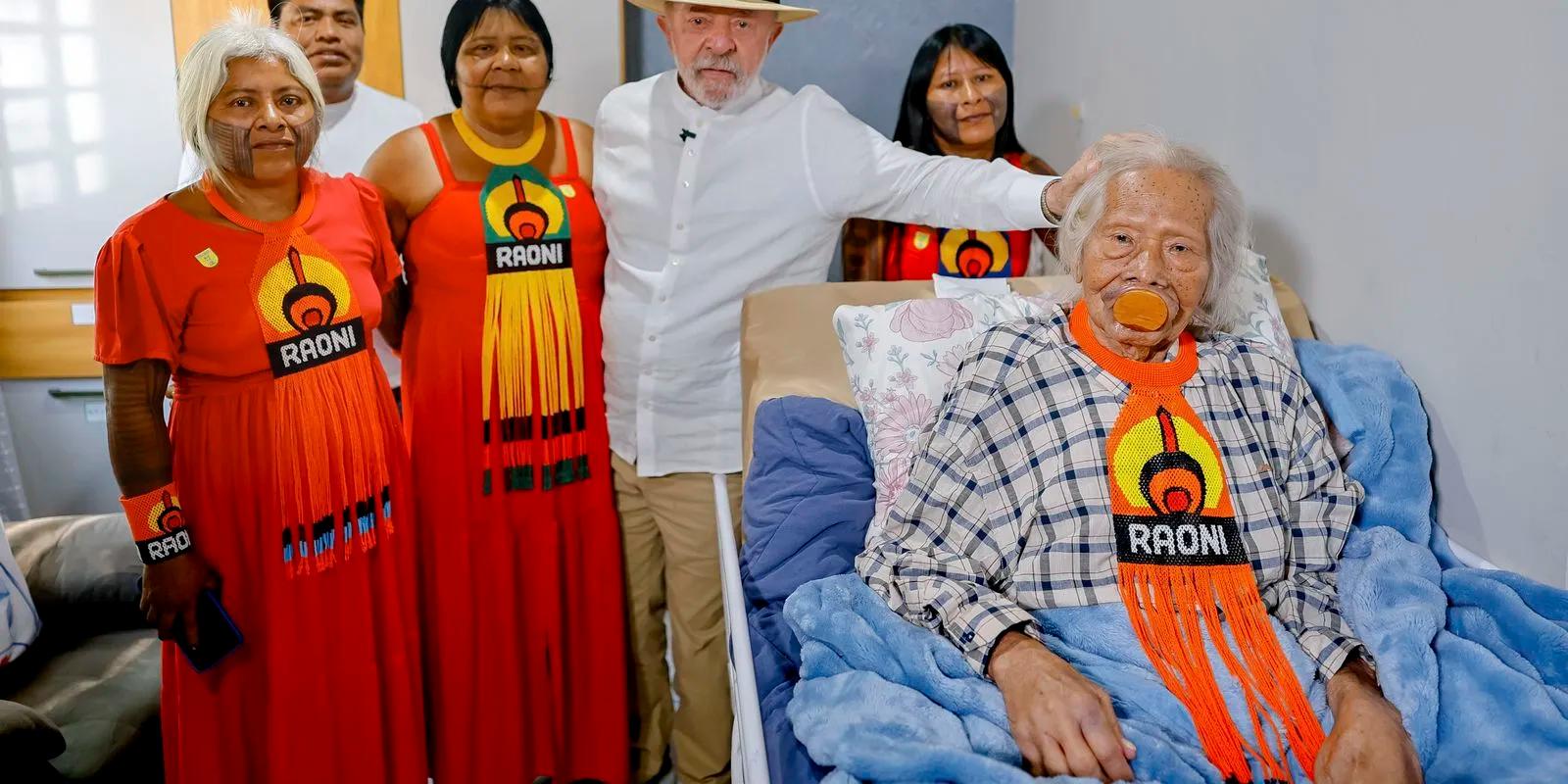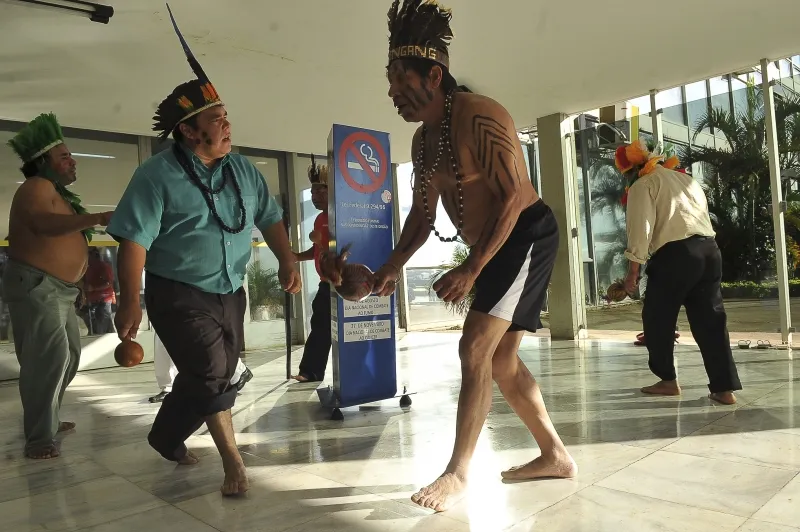
Brazil's Ministério da Saúde (Ministry of Health) has updated the Política Nacional de Atenção à Saúde dos Povos Indígenas (PNASPI), the national policy for indigenous health care, created in 2002 and never revised until now. The portaria — a ministerial ordinance — regulating the change was signed by minister Alexandre Padilha on Wednesday in Brasília, the policy's first update in 24 years.
According to the ministry, the new text does not break with the 2002 policy but refines its guidelines.
What changes
The changes fall into five areas:
- Integration with the SUS, Brazil's public health system. The policy sets out more clearly the shared responsibility of the federal government, the states and the municipalities, above all in cases that exceed what the Distritos Sanitários Especiais Indígenas (DSEI), the special indigenous health districts, can handle.
- Continuity of care. The text now covers the allocation of responsibilities, referral pathways, regulation, patient transport, diagnostic support and joint monitoring.
- Differentiated care. The policy recognises indigenous health systems, their knowledge, their practices and their specialists — indigenous medicines.
- Community oversight. It widens the part communities play in monitoring and evaluating services.
- Planning and funding. The text states the need for adequate funding, without setting figures.
Psychosocial care enters for the first time
In a joint portaria with the Ministério dos Povos Indígenas (Ministry of Indigenous Peoples), the government created a working group to establish the Programa de Atenção Psicossocial e Bem Viver Indígena (Proapsi), a programme of psychosocial care and indigenous well-being. The programme does not exist yet: the group is the step before its creation.
The aim is to organise the response to two issues treated as priorities — interpersonal violence and the harmful use of alcohol and other drugs — from the perspective of Bem Viver, or good living, drawing on indigenous languages, traditional knowledge and indigenous medicines.
The group brings together the forum of presidents of the district indigenous health councils (FPCondisi), the Articulação dos Povos Indígenas do Brasil (Apib), the country's main indigenous umbrella organisation, and the intersectoral commission on indigenous health of the national health council (CISI/CNS), with the Fundação Nacional dos Povos Indígenas (Funai), the federal indigenous affairs agency, as an interlocutor.
The material released by the ministry gives no implementation timetable, no budget and no list of services for Proapsi.
How the text was built
The update was agreed on 19 November at the Comissão Intergestores Tripartite (CIT), the body where the three levels of government negotiate health policy, meeting in Foz do Iguaçu, in the state of Paraná, with the national councils of state and municipal health secretaries, Conass and Conasems — a step that brings state and municipal managers inside the policy.
Before that, the ministry says it gathered contributions at regional seminars, at the national conferences on indigenous health — the sixth in particular —, in consultations with the DSEI and the district indigenous health councils (Condisi), and at thematic workshops, as well as from indigenous leaders across the country.
"This process represents a historic advance in strengthening health care in indigenous territories," Padilha said. For Lucinha Tremembé, the ministry's secretary for indigenous health, "there is no strengthening of indigenous health without indigenous peoples taking the lead".
The signing and the exhibition
The portaria was signed at the opening of the exhibition "Corpos-Territórios: cuidados e bem-viver indígena" at the Centro Cultural Banco do Brasil (CCBB) in Brasília, staged with AgSUS, the Brazilian agency that supports the management of the public health system.
The show opened on Thursday in Gallery 4, with more than 100 photographs and 200 craft pieces across four thematic sections, and runs until 10 January 2027.
The ordinance's number and the date of its publication in the Diário Oficial da União, Brazil's official gazette, are not in the material released by the ministry.
With information from the Ministério da Saúde and Agência Gov.