Brazil's Ministério da Saúde (Ministry of Health) expects to begin a clinical study in the first half of 2027 of a therapeutic cancer vaccine developed in partnership with the University of Oxford. The announcement was made by minister Alexandre Padilha on Monday during an engagement at the Brazilian Embassy in London, and set out in a ministry statement the same day.
"A expectativa é que, no primeiro semestre de 2027, possamos realizar o estudo clínico com Oxford" — the expectation is that in the first half of 2027 we will be able to run the clinical study with Oxford — Padilha said, naming in the same sentence the Fundação Oswaldo Cruz (Fiocruz), the A.C.Camargo cancer centre and institutions of the SUS, Brazil's public health system, as participants in evaluating the technology in Brazilian patients.
The difference between preventing and treating
The vaccine in question is therapeutic, not preventive. The distinction matters: a preventive vaccine, such as the HPV shot, is given to people without the disease to stop it from appearing. A therapeutic vaccine is given to someone who already has a tumour, and works by training the immune system to recognise and attack the diseased cells. It is a line of research being tested worldwide, and no vaccine of this kind is yet available through the SUS.
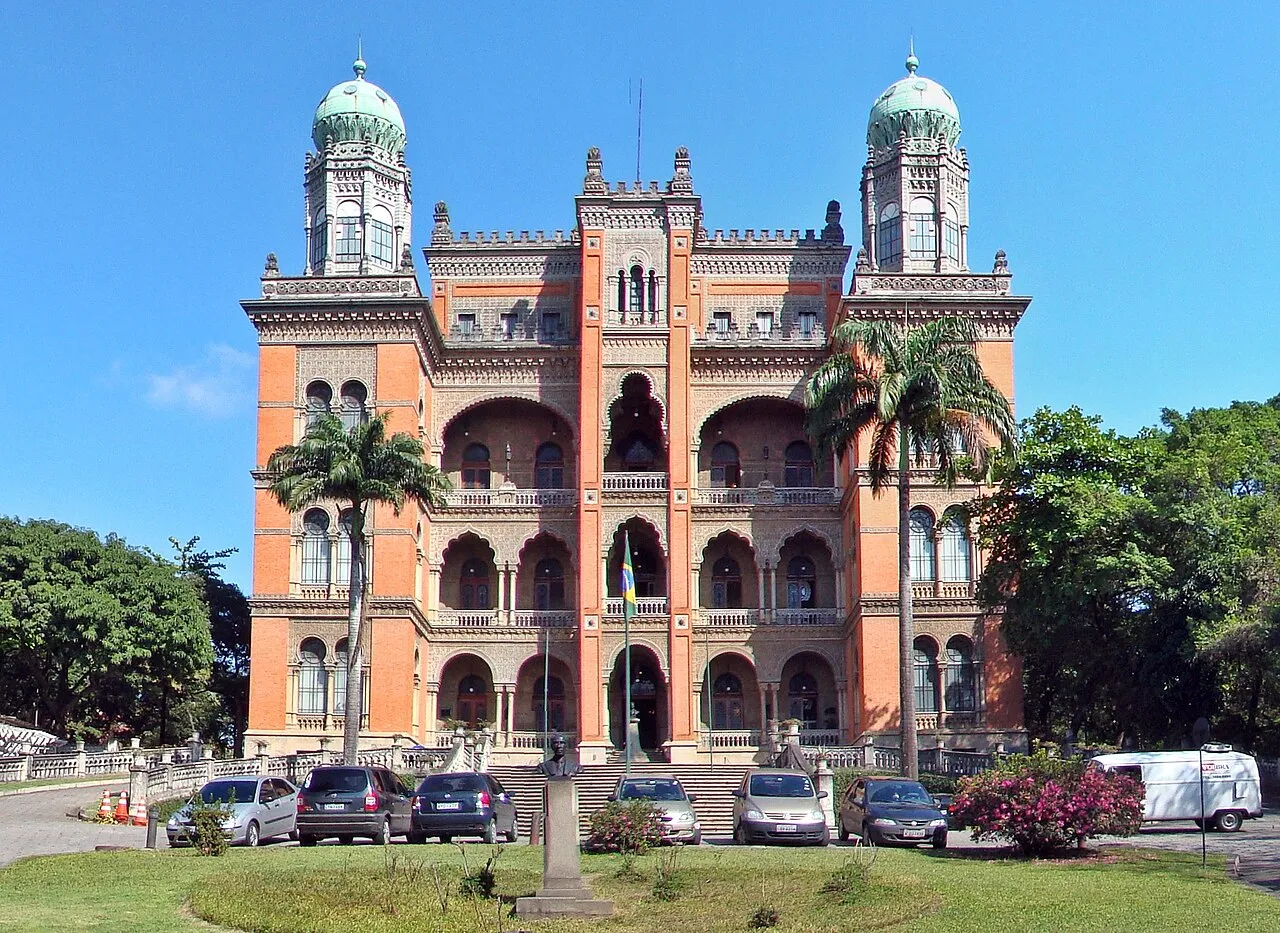
According to the ministry, part of the development is being carried out by Fiocruz. The planned clinical study is also expected to involve A.C.Camargo and SUS institutions linked to the Aliança Brasileira de Pesquisa em Câncer (Brazilian Cancer Research Alliance).
What the announcement does not say
The ministry's statement does not say which type of cancer the study will target, what platform or antigen the vaccine uses, what phase the trial would enter, how many patients would be enrolled or where the funding will come from. There is no date for submission to regulators either, and the minister himself made the timetable conditional on defining the target and approving the research protocols.
In practical terms, then, what was announced is an intended timetable rather than an approved clinical trial. That is a meaningful distinction for anyone following the field: between the announcement of a study and the first patient vaccinated, the stage that usually takes longest is precisely the one still outstanding here — settling on the target and clearing regulatory approval.
Other agreements on the same trip
The minister's London agenda was not limited to the vaccine. According to the ministry, a bilateral meeting with AstraZeneca produced an agreement with a Brazilian biologics group — not named in the statement — to develop and produce a domestic monoclonal antibody platform for cancer and rare diseases.
There was also a meeting with the Coalition for Epidemic Preparedness Innovations (CEPI) on cooperation in vaccines for pandemic preparedness, a subject unrelated to the cancer project. On Tuesday the mission moved on to Liverpool, with a visit to the Clatterbridge Cancer Centre, a hospital the ministry describes as a partner of Brazilian institutions, and talks on bringing the SUS and the NHS closer together.
With information from the Ministério da Saúde.