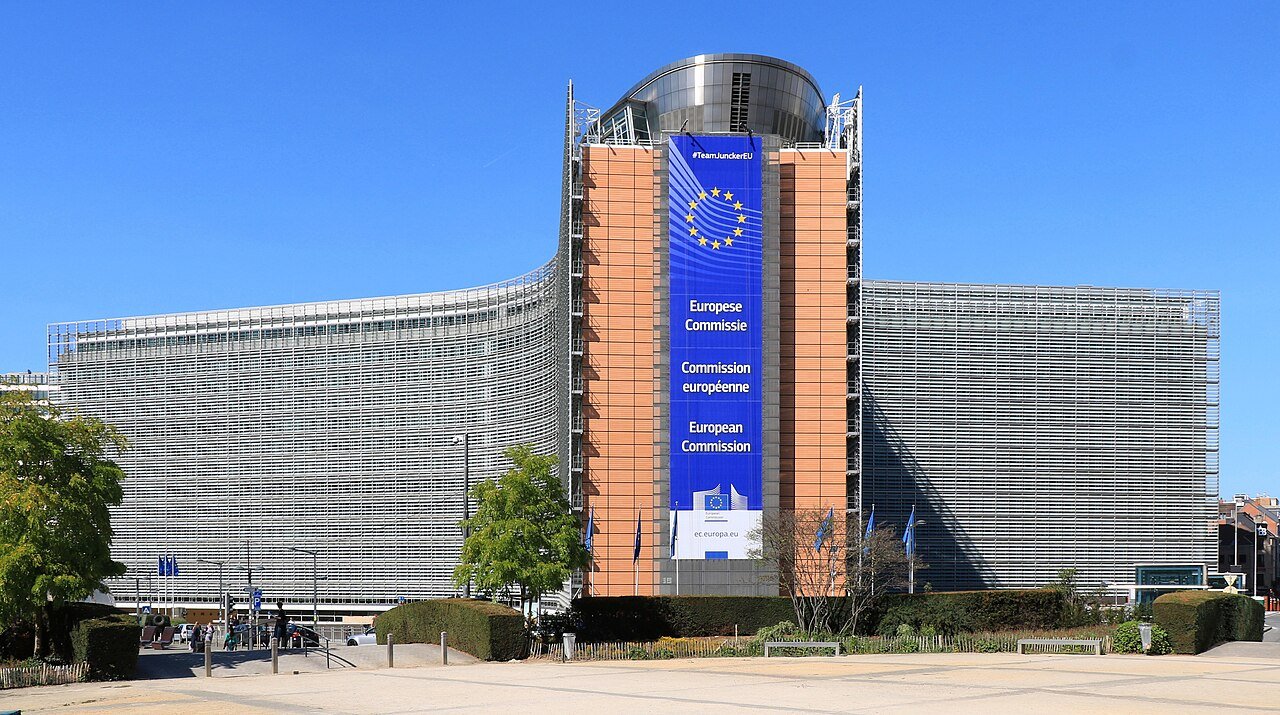
The European Commission will keep the moratorium that discourages new oil and gas drilling in the Arctic, resisting Norway's campaign to have it dropped. The decision was reported on Monday by Euronews, which spoke to a Commission spokesperson: "our approach on the moratorium will remain unchanged", he said, tying the position to the bloc's effort to "address climate change and environmental degradation".
What the moratorium actually is
It is not a law. The commitment was born in the European Union's Arctic strategy adopted on 13 October 2021 and is political in nature: the bloc undertakes not to support the extraction of new fossil fuels in the region and to defend that position in international forums, without creating a legal obligation for third parties. The revision the Commission is preparing for its Northern Neighbourhood strategy preserves that design rather than converting it into a binding rule — which means the decision carries weight as a political signal and as a financing criterion, not as a prohibition.
What Norway wanted
Oslo is the bloc's main energy supplier and leaned on that weight in its case. Energy Minister Terje Aasland said that "continued activity in the Barents Sea serves both Norwegian and European interests", citing the market disruption caused by the conflict in the Middle East. Foreign Minister Espen Barth Eide was blunter: "there are no climate reasons to treat oil and gas produced north or south of a certain line differently".
The lobbying is long-standing and organised. Since 2011, according to the Catalan daily Ara, 19 Norwegian ministers have met senior European Union officials on the subject, and the bloc's Arctic Special Envoy, Claude Veron-Reville, has publicly acknowledged how intense that effort has been. Norway reckons two-thirds of its remaining exploitable fossil resources lie in the Arctic, has announced 70 new exploration blocks and logged five Barents Sea discoveries last year. State-owned Equinor backs higher output.
The figures that weaken the request
The energy-security argument runs into a question of scale. Arctic gas accounts for just 1.4% of the gas the European Union imports. A WWF-Norway analysis cited by Euronews estimates that gas from new Barents Sea wells would not reach the market until around 2045 — by which point European gas demand, on the bloc's own projections, will have fallen from 329 billion cubic metres in 2024 to roughly 85 billion in 2040.
That is the central contradiction in Norway's request: the gas Oslo wants permission to look for now would arrive after the market that would justify it has shrunk by almost three quarters.
None of which makes Norway dispensable in the short term — quite the opposite. Between January and June 2026, the country accounted for 54.4% of the liquefied natural gas imported by the bloc, up from 52.1% in 2025, and it supplies around 30% of the gas and 12% of the oil consumed in the European Union. The dispute is about new and distant reserves, not about today's supply.
What happens now
Norway has already said it will keep drilling in the Arctic regardless of the European position — the moratorium, not being binding, obliges it to nothing. Environmental groups treated the decision as an "important victory", above all for its precedent-setting effect: holding the line preserves the European argument in international negotiations over the Arctic.
With information from Euronews, Ara and Bloomberg.