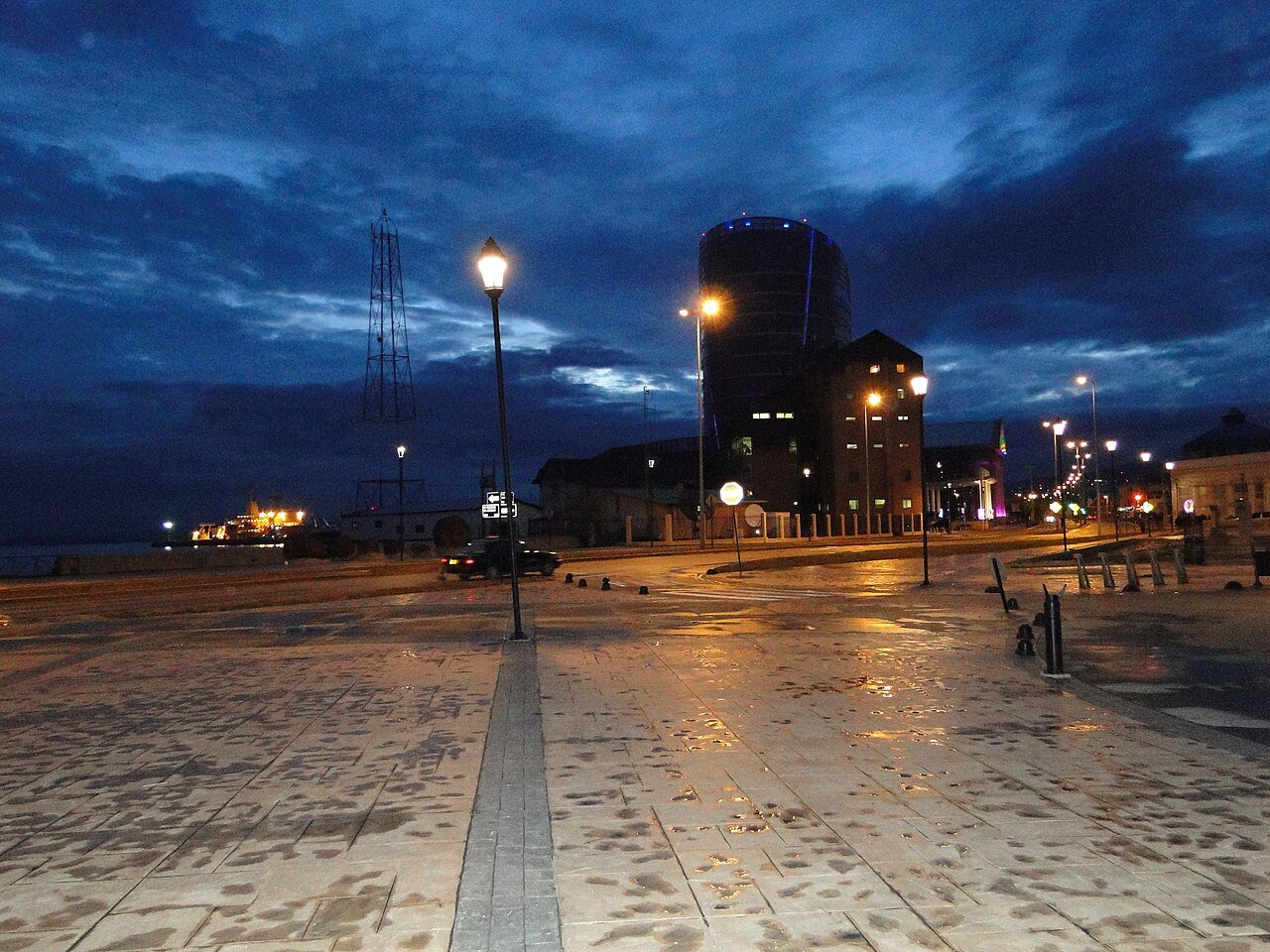
Chile's government has left defence out of its budget squeeze and says it will nearly double investment in military capabilities, with the country's far south as the focus. The announcement came from the minister of Defensa Nacional (National Defence), Fernando Barros Tocornal, on 24 September 2026 at the Chabunco air base in Punta Arenas, flanked by the commanders-in-chief of the Army, the Navy and the Air Force.
Barros called the decision the start of "a new stage" and defended the long horizon: a country's defence, he said, is planned and built years in advance, according to the newspaper La Tercera. Further cuts, he argued, could compromise security and sovereignty.
What is being funded
The announcement includes the first full funding of the Ley de Financiamiento de Capacidades Estratégicas de la Defensa (the law bankrolling strategic defence capabilities), which replaced the old Ley del Cobre (the law that channelled part of Chile's copper revenue to the armed forces). Planning now runs to 2043, and investment, the ministry says, nearly doubles year on year.
What goes out and what comes in:
- Air Force: studies to replace the F-5 Tiger fighters, half a century in service, and the C-130 Hercules transports central to Antarctic logistics; renewal of the UH-1H helicopter fleet.
- Navy: four long-range maritime patrol aircraft in 2027 and five aircraft for Antarctic service between 2027 and 2028; upgrades to the port infrastructure at Punta Arenas are under study.
- Army: modernisation of the Leopard 1 tanks stationed in the south, with firing systems adapted to extreme cold.
The government is also studying new bases in the austral zone to raise the permanent troop presence in Magallanes. According to the Mexican daily La Jornada, Chile's 2026 military budget stands at around 2.4 billion dollars.
The Argentine backdrop
The plan follows a diplomatic scrape with Buenos Aires. On 5 September, hours after a bilateral meeting, Argentine foreign minister Pablo Quirno told the A24 channel that Argentina is "a bicontinental, bioceanic country" and should strengthen its presence in the South Atlantic as its route to Antarctica.
The remarks reopened the argument over the Strait of Magellan, shortly after presidents José Antonio Kast and Javier Milei met at La Moneda (the seat of Chile's government) and signed a joint declaration reaffirming the 1881 boundary treaty and the 1984 Treaty of Peace and Friendship — the instruments that recognise Chilean sovereignty over the whole strait.
Criticism in Chile crossed party lines. Republican deputy Alejandro Riquelme said treaties cannot be reinterpreted for convenience; from the opposition, Raúl Soto (PPD) called the government's foreign policy "naive and amateurish", and senator Iván Moreira (UDI) demanded a "firmer and more energetic" stance.
The reading that remains is that the Punta Arenas announcement is budgetary and political at once: the place chosen to make it — 2,200 kilometres from Santiago, on the strait itself — is part of the message.
With information from La Tercera, La Jornada, El Pingüino and Chile's Ministry of National Defence.