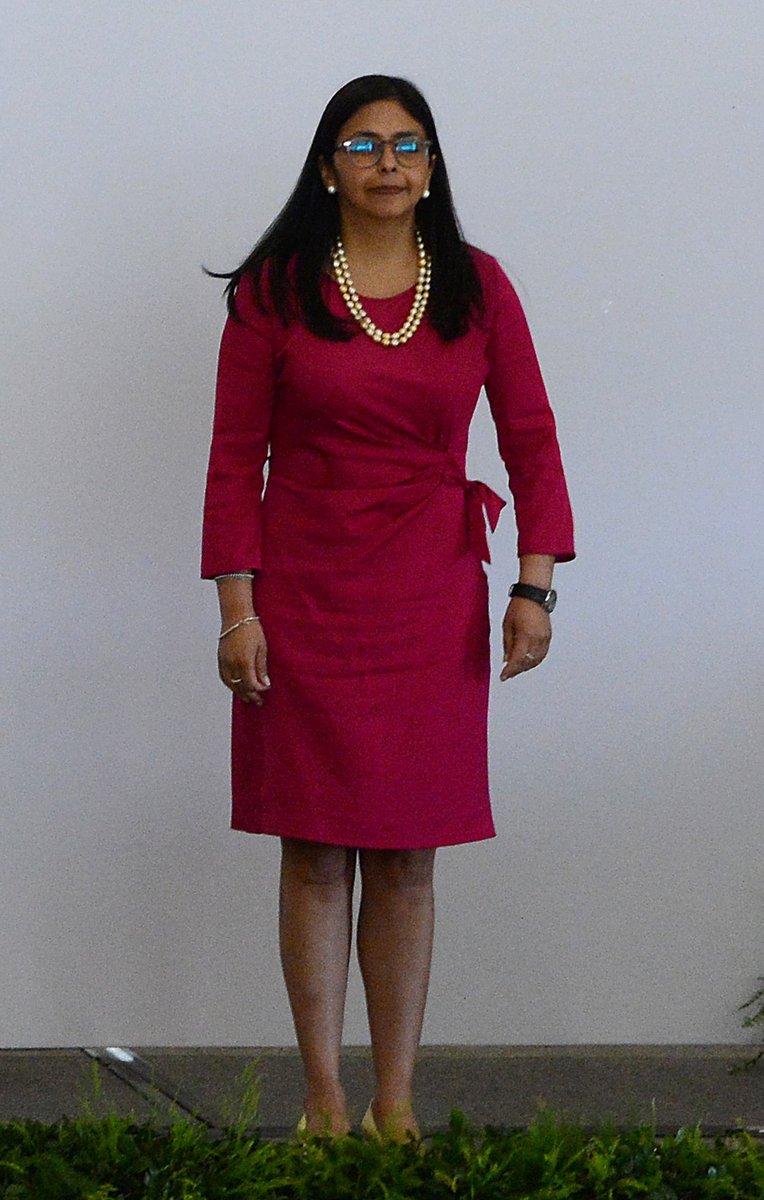
Venezuela's acting president, Delcy Rodríguez, told the 81st session of the United Nations General Assembly on Wednesday, 23 September 2026, that her country will hold elections. She did not say when.
"The timing of the elections will be determined by the Venezuelan people," she said in her speech in New York, arguing that the country's institutions must prepare to guarantee an "inclusive and transparent" vote.
Rodríguez took office as acting president on 5 January 2026, after Nicolás Maduro was captured by the United States. Until then she had been executive vice-president and minister of economy and finance.
An announcement without a calendar
The speech was the first of Venezuela's new phase before the UN plenary, and it was heavy with the vocabulary of transition. Rodríguez spoke of a "rebirth of Venezuela" and of a "democratic transformation" that, she stressed, would be carried out through institutions.
"A nation is not reborn only by rebuilding buildings; it is reborn when it rebuilds trust in its institutions," she said.
She also said her government has begun a dialogue with opposition sectors. She did not, however, specify any of the elements that would allow the commitment to be measured: she gave no date or range of dates, did not say which electoral authority would run the process or under what rules, and made no reference to international observation.
The opening to Washington
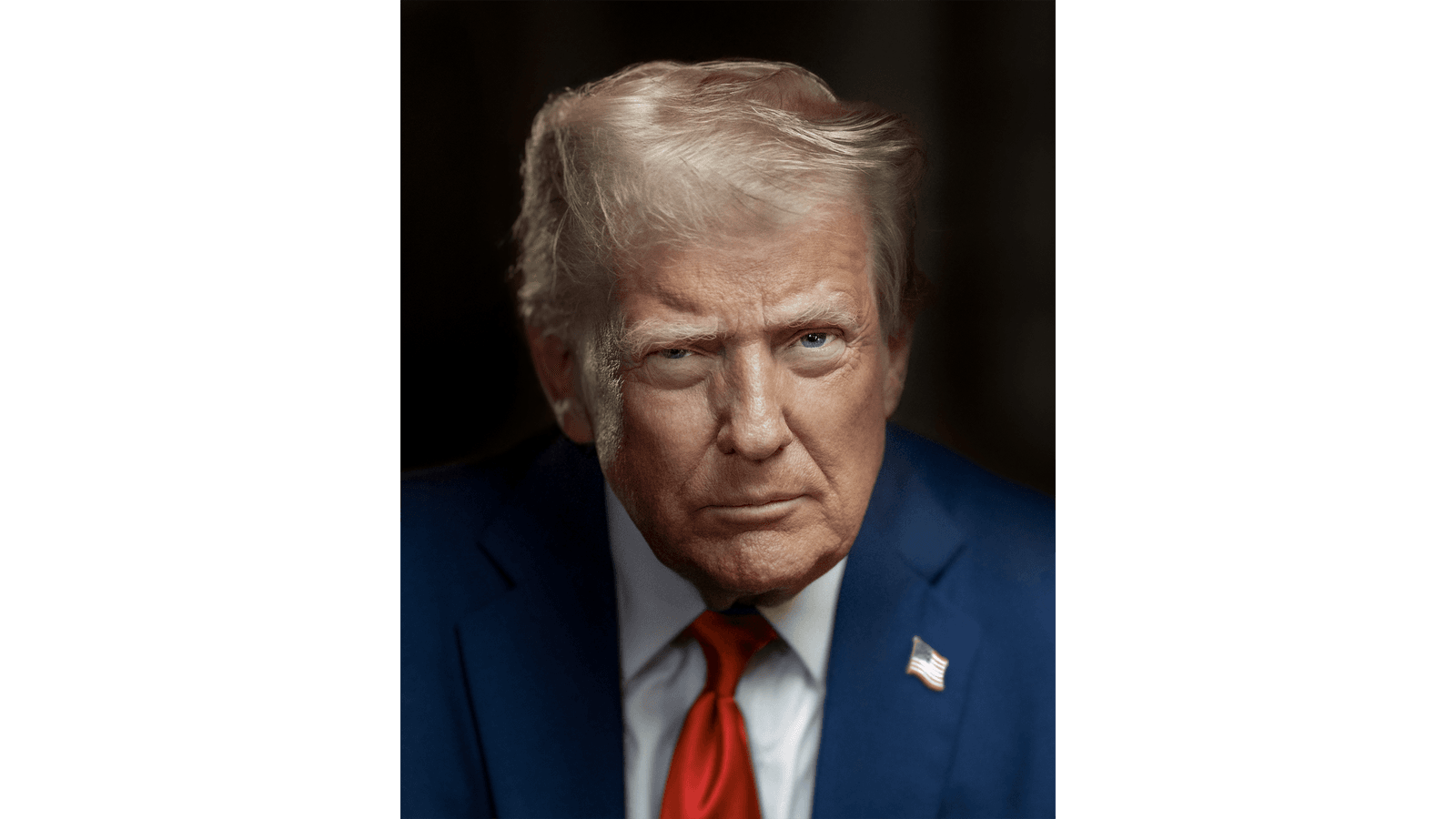
The most striking passage was her explicit thanks to US President Donald Trump for his willingness to resume diplomatic and cooperative relations between the two countries.
Rodríguez listed the areas in which, she said, the two governments are working through their differences by dialogue: energy, security, transnational crime and the economy. It is a considerable shift from the Venezuelan rhetoric of the past decade at the same forum, where Washington was cast as the principal adversary.
Sanctions and the Essequibo
The acting president defended Venezuela's right to be a country "without economic restrictions", able to exercise its right to development in full — a formula that, in Venezuelan diplomatic language, points to the lifting of sanctions.
In her closing passage she restated Venezuela's historical claims over the Guayana Esequiba (the Essequibo region), the territory disputed with Guyana, and called on Georgetown to return to the negotiating table. On that point her position did not differ from that of previous governments.
What remains to be verified
The announcement leaves the central question open: when. With no timetable, no designated electoral referee and no stated conditions of competition, the promise of elections remains for now in the realm of political declaration. The next steps in the dialogue with the opposition, and any decision on the Consejo Nacional Electoral (Venezuela's electoral authority), will be the indicators against which it can be judged.
With information from UN News, Euronews and El Comercio.