Estonia on Tuesday formally blamed Russia for the arson attack that struck the premises of Milrem Robotics in August. The Estonian company builds unmanned ground vehicles and is one of the suppliers of that type of equipment to Ukraine.
Estonian Foreign Minister Margus Tsahkna said the attack was "sabotage ordered by the special services of the Russian Federation" and part of "Russia's broader campaign across Europe". According to him, those who set the fire have been detained and "no longer pose a threat". The government released no names and no number of arrests.
What Milrem builds
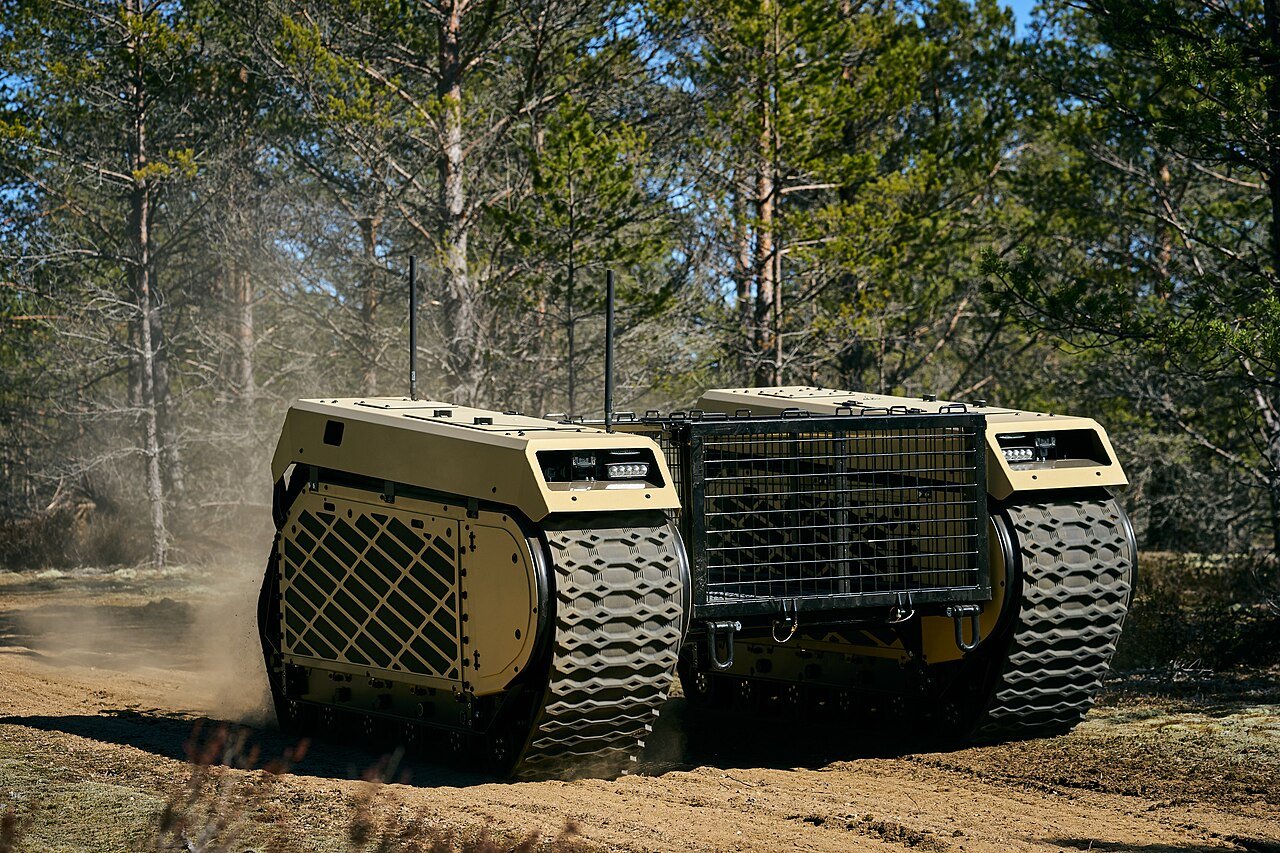
Milrem Robotics is best known for THeMIS, a tracked unmanned ground vehicle used to carry casualties, move supplies to forward positions and, in some configurations, mount weapons. Units of the model have been sent to Ukraine since the start of the Russian invasion in 2022 — which puts the plant on Moscow's list of targets of military interest.
Moscow denies it
Kremlin spokesman Dmitry Peskov called the Estonian accusation "baseless" and "ill-considered", and said it had "no relation to reality".
NATO's response
The secretary general of the North Atlantic Treaty Organization (NATO), Mark Rutte, responded with an assessment that mixes condemnation with a play-down of the attacks' practical effect:
"Russia continues its reckless campaign of hostile actions against NATO allies. But Russia is failing."
Estonian Prime Minister Kristen Michal was blunter, describing Vladimir Putin as a "rat in the corner" who is escalating operations in Europe while struggling militarily in Ukraine. Swedish Prime Minister Ulf Kristersson said "this pattern of attacks is directed against Europe as a whole" and "it will not work". France, Lithuania and Latvia also condemned the episode.
A pattern, not an isolated case
Since 2022 European governments have recorded a run of fires, infrastructure sabotage, drone incursions and attacks on undersea cables attributed to Russia — the set of actions NATO classifies as hybrid warfare, because it deliberately stays below the threshold that would trigger Article 5 of the treaty.
Estonia, Latvia and Lithuania, which border Russia or the Kaliningrad enclave, are among the countries that report the most incidents of this kind. Lithuania's prime minister said on Tuesday that intelligence services see no imminent military threat, though the risk remains constant.
With information from Estonia's Ministry of Foreign Affairs, NATO, Al Jazeera, Euronews and Defense News.