European Union member states reached agreement on Friday on the conditions for releasing €6.6 billion from the European Peace Facility (EPF) earmarked for Ukraine — money that had been frozen for more than three years by a Hungarian veto.
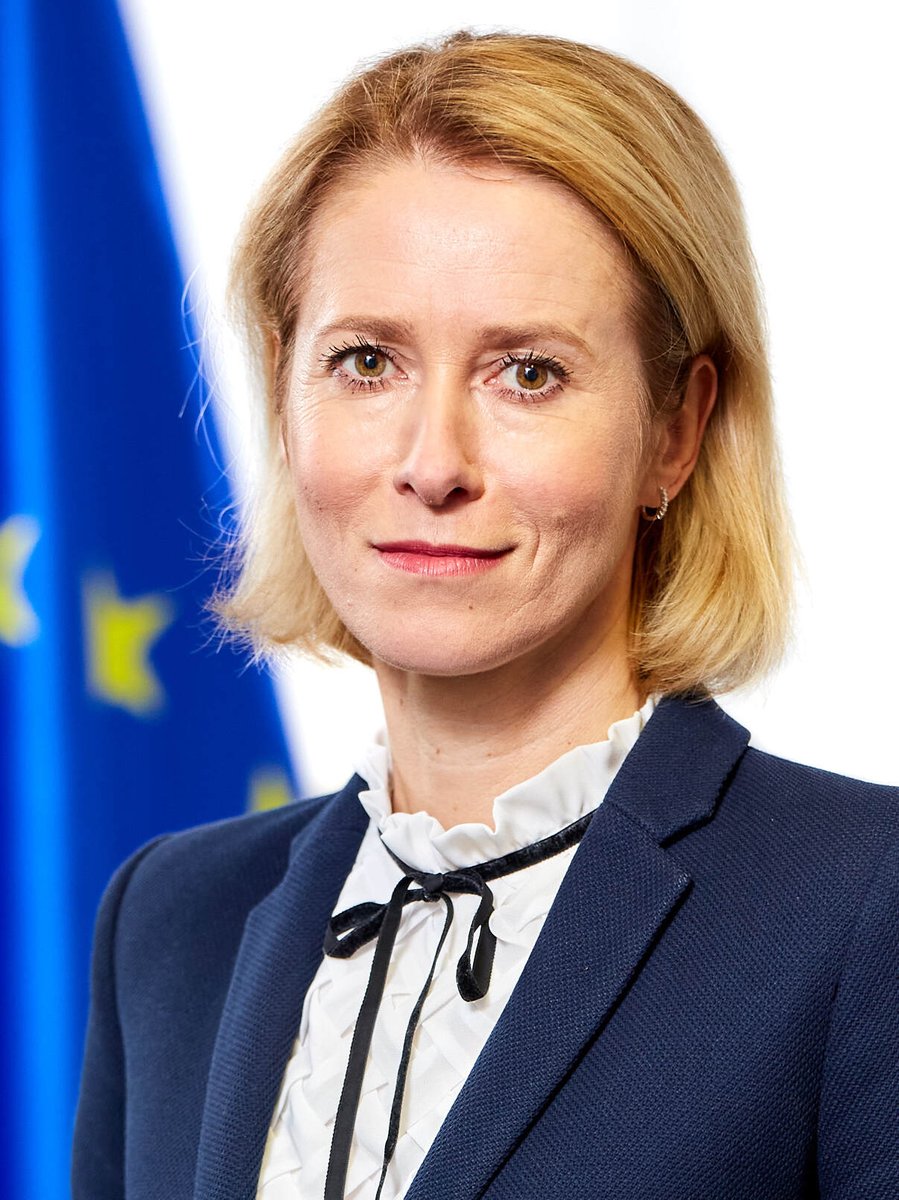
The bloc's High Representative for Foreign Affairs, Kaja Kallas, summed up the decision: "That's good news for Ukraine and bad news for Russia." She added that "Moscow's hybrid attacks try to intimidate Europe into scaling back its support for Ukraine. Europe is doing the opposite."
How the money is split
The agreement divides the sum into three tranches:
- €4.7 billion reimbursing countries that have already delivered weapons and equipment to Ukraine at their own expense;
- €1 billion for joint procurement of military equipment;
- €900 million for the European Union's military assistance mission, which has trained more than 95,000 Ukrainian soldiers.
Some governments are expected to pass their reimbursement share straight to Kyiv rather than keep it, Kallas said.
Why it was stuck
The blockage began in May 2023, when the then Hungarian prime minister, Viktor Orbán, vetoed the disbursement after Ukraine added OTP Bank — Hungary's largest commercial bank — to its list of "international sponsors of war." Kyiv discontinued the list in 2024, but Budapest kept the veto in place.
The deadlock broke with the change of government in Budapest. Orbán was defeated in the parliamentary election of 12 April this year, ending 16 years in power, and Péter Magyar took over as prime minister.
The European Peace Facility is an off-budget mechanism funded by annual contributions from member states. Since February 2022 the bloc has mobilised €6.1 billion through that channel; a €5 billion increase to its ceiling, approved in March 2024, brought the total committed to €11.1 billion.
What is still missing
Actual disbursement still depends on the formal adoption of the corresponding legal acts. The calendar matters: Ukraine faces a shortfall of roughly $27 billion in its defence budget, which threatens drone deliveries scheduled for early 2027. President Volodymyr Zelenskyy has said a solution has to come between October and November.
With information from Euronews and Eunews.