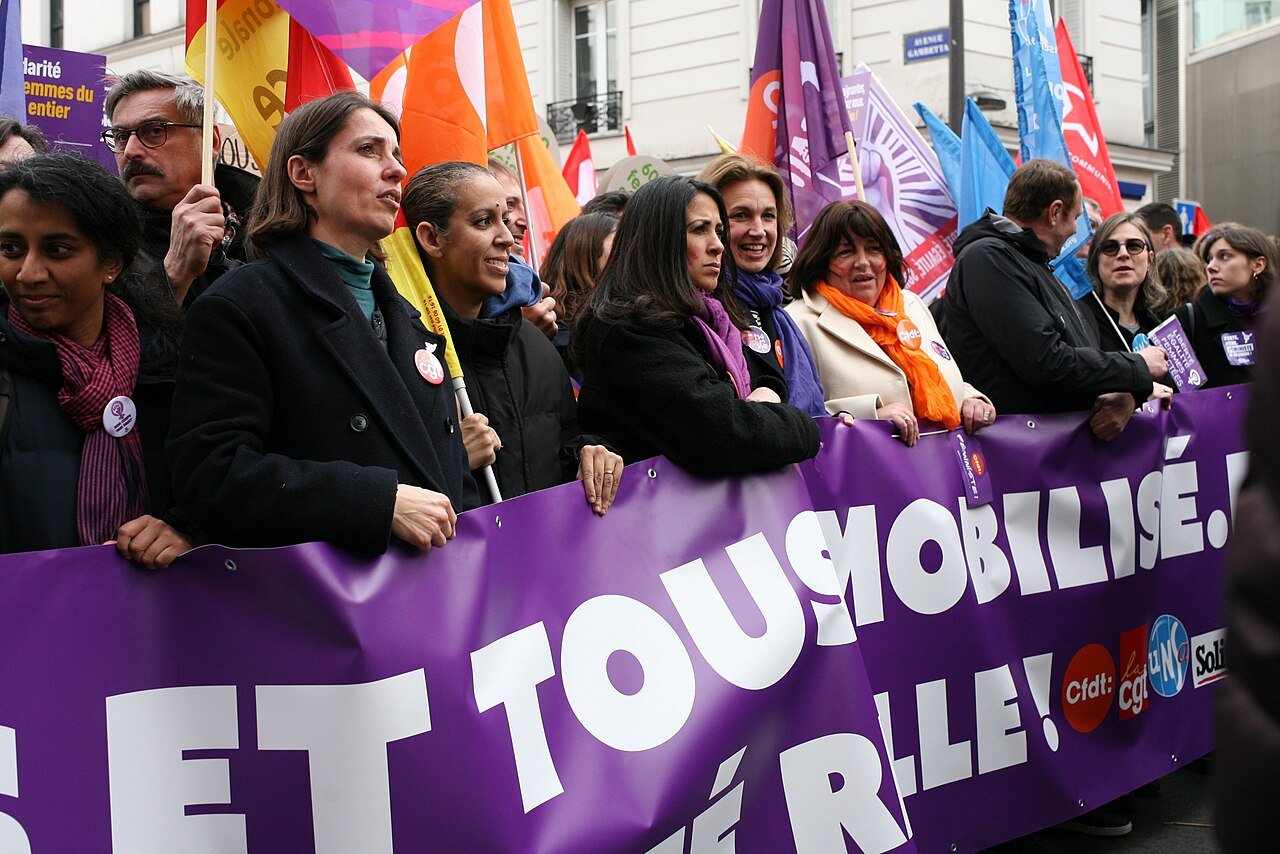
The eight representative unions of France's public service struck on 29 September, holding around 170 demonstrations across the country against the government's decision to keep public sector pay frozen in the 2027 budget. The same day, a wave of high school blockades ended with 440 people detained, most of them minors.
Turnout was lower than in recent walkouts. According to the Direction Générale de l'Administration et de la Fonction Publique (DGAFP, the civil service directorate), 9.64% of central government staff stopped work, along with 5.68% in local government and 4.5% in hospitals. In education, turnout was 11.47% overall, 13.71% among teachers and 27.39% among school support staff — the highest rate of the day.
By comparison, the strike of 5 December 2024 mobilised 18.8% of the entire French public service.
The index point, frozen for a fourth time
At the heart of the dispute is the "index point", the reference value that multiplies every public sector salary in France. The office of Public Service Minister David Amiel confirmed there would be "no general measure concerning the index point in 2027", only targeted steps for the lowest pay bands.
It would be the fourth consecutive annual freeze — and the eighth since the start of Emmanuel Macron's terms. The expected saving is €2bn. Unions are asking for a 6% rise and argue that public sector staff have lost more than 6% of their purchasing power since the last increase in the index point, in July 2023, and more than 15% over the past decade.
The arithmetic explains why modest turnout does not settle the matter: the loss of purchasing power is cumulative, and every year of freeze locks it into the base for the years that follow.
"This anger is not going away. The government must look again at the budget," said Sophie Binet, general secretary of the Confédération Générale du Travail (CGT, General Confederation of Labour), giving the authorities 48 hours to back down before deciding the next steps. A negotiating session on careers and early-career pay was scheduled for 2 October.
The 2027 budget is the first major test of Prime Minister Sébastien Lecornu's government in dealing with the unions, according to Al Jazeera.
Blockaded schools, 48 officers injured
The high school protest, which began the previous week in the Île-de-France region around Paris and spread nationwide, reached around 400 lycées on 29 September, out of roughly 3,700 in the country. About 40 were effectively blockaded and another 44 saw attempted blockades, according to Al Jazeera.
Students are demanding workable timetables, smaller classes, replacements for missing teachers and buildings that do not turn into greenhouses during heatwaves.
Interior Minister Laurent Nuñez gave the detention figure — two-thirds of them turned into police custody — and condemned the violence: "Violence is never legitimate. There is nothing that justifies violence," he said, citing burning rubbish bins and objects thrown at officers. 48 police officers were injured, hydrochloric acid was thrown at officers in seven incidents, and ten students and staff were hurt.
Education Minister Édouard Geffray called the attacks "unspeakable". Police used batons and tear gas to clear blockaded schools.
With information from Acteurs Publics, Al Jazeera and Agence France-Presse.