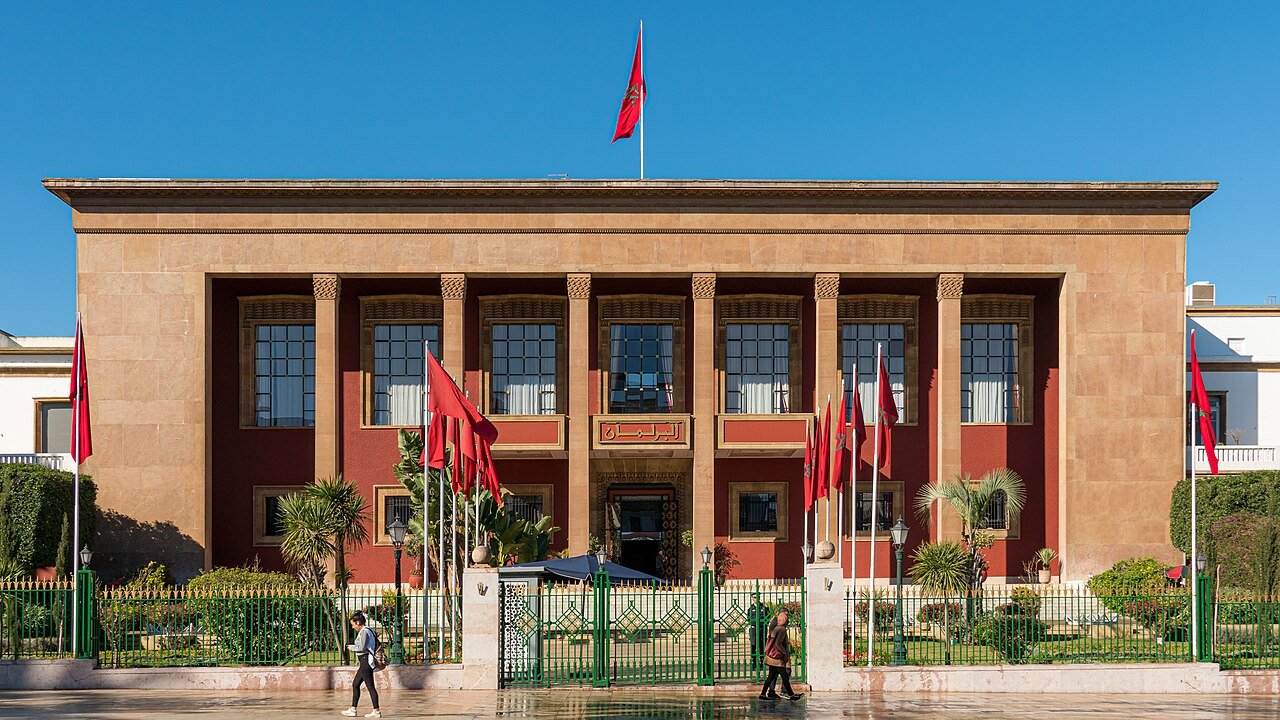
King Mohammed VI received Fatima Ezzahra El Mansouri at the Royal Palace in Rabat on Tuesday and tasked her with forming Morocco's new government. A 50-year-old lawyer, mayor of Marrakech and former housing minister, she is the first woman to head the executive in the country's history.
The choice follows what the Moroccan constitution requires: the monarch picks the head of government from the party that elected the most deputies. The Parti Authenticité et Modernité (PAM, Party of Authenticity and Modernity), which El Mansouri joined when it was founded in 2008, came first in the 23 September legislative elections.
She had already been the first woman to run Marrakech, elected mayor in 2009 at the age of 33 and returned to the post in 2021. In this election she also stood for and won a seat in parliament.
First place, but no majority
The PAM took 97 of the 395 seats in the Chamber of Representatives. Behind it come the Rassemblement National des Indépendants (RNI, National Rally of Independents) with 66, the Istiqlal with 65, and the Islamist Parti de la Justice et du Développement (PJD, Justice and Development Party) with 54.
None of them reaches an absolute majority, and the front-runner holds less than a third of the chamber. El Mansouri must therefore strike a deal with at least one of the next three largest parties before presenting a cabinet — which, once confirmed, governs for five years.
The election almost nobody voted in
Turnout was 38%, the lowest in nearly two decades and down from about 50% five years earlier. The figure frames the government now taking shape: the country's most-voted party received its mandate from an electorate in which almost two thirds stayed home.
The vote took place amid widespread distrust of the political class and protests driven mainly by young people over unemployment, food prices and the lack of prospects. In July, mass rushes at the fence around Ceuta, the Spanish enclave in North Africa, exposed the same pressure.
What is on the table
According to CNN Brasil, the royal cabinet's statement charges the new head of government with steering a US$20 billion investment plan tied to the 2030 World Cup, which Morocco is hosting alongside Spain and Portugal, and with responding to youth discontent.
During the campaign the PAM promised 5% annual economic growth, inflation at 2% and one million new jobs over the term. Those targets depend less on the cabinet she assembles than on the coalition willing to sign up to them.
With information from CNN Brasil, O Povo (with EFE) and Notícias ao Minuto (with Lusa).