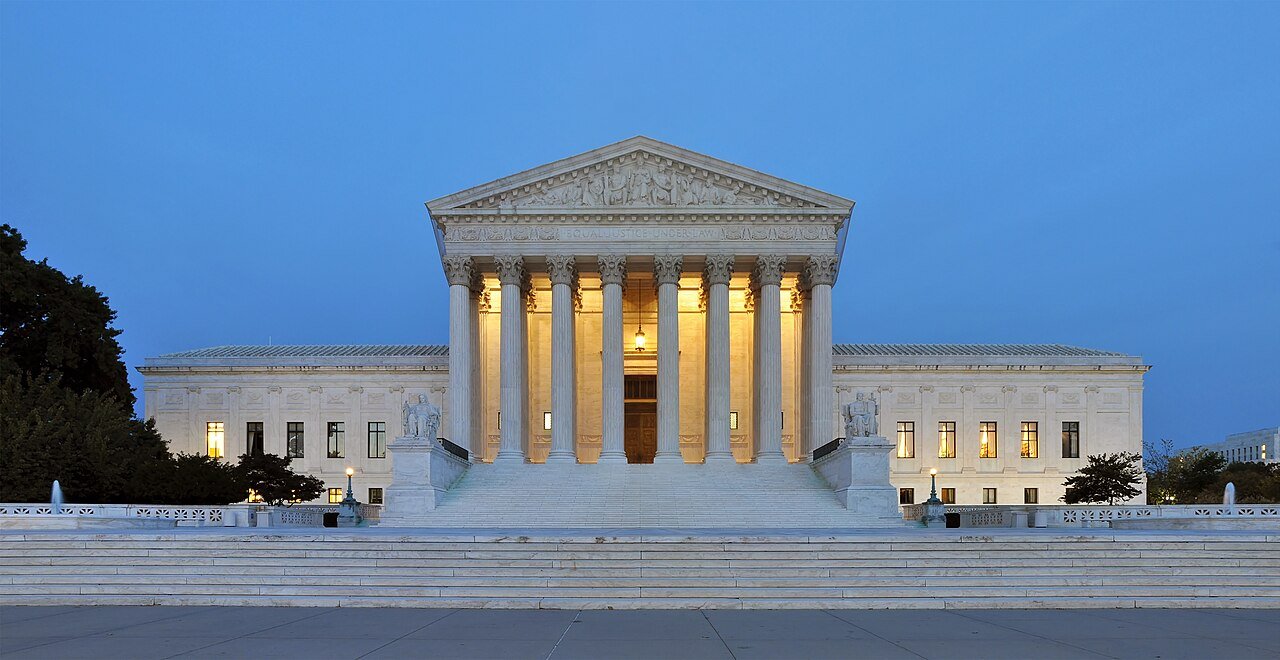
The Supreme Court on September 25 blocked Missouri's new congressional map for the third time in three weeks, settling — at least for this election — which districts the state's voters will use on November 3.
The justices halted a ruling by the 8th Circuit Court of Appeals that would have revived the map Republicans drew in 2025. In an unsigned opinion, the Court wrote that "at this late date, ordering reversion to the 2025 map in the midst of an ongoing election would usher in electoral chaos."
What changes, and what does not
Nothing changes. Missouri will vote on the same eight districts it used in 2022 and 2024. What would have changed is the shape of the 5th District, held by Democrat Emanuel Cleaver and anchored in Kansas City: the 2025 map stretched it into rural Republican territory, a redraw that could have given Republicans seven of the state's eight House seats instead of the six they now hold.
The practical argument carried the day. Absentee ballots had already gone out and voting was under way; according to the Missouri Independent, roughly 28 counties would have found voters assigned to different districts than the ones they used in the August primary.
Three weeks, at least 16 lawsuits
The fight moved through state and federal courts almost daily:
- September 3 — the Missouri Supreme Court ruled that a citizen petition against the new map was valid, which under state law suspends the map unless voters approve it.
- September 8 — the U.S. Supreme Court let that ruling stand.
- September 10 — the justices blocked a conflicting federal district court order.
- September 23 — the 8th Circuit ruled for the new map.
- September 25 — the Supreme Court rejected the appeals court's decision.
By the state's own count the dispute produced at least 16 lawsuits. The map itself is not dead: under the Missouri Supreme Court's September 3 ruling, it goes to a referendum in November, and voters decide whether it ever takes effect.
One thing worth noting about the order: the Court did not say the 2025 map is unlawful. It said only that changing the rules while ballots are already in the mail is worse than leaving them alone — a timing principle, not a verdict on the gerrymander.
Reporting from PBS NewsHour, the Missouri Independent, and NPR.