The Supreme Court on Monday allowed the Trump administration to resume building border barriers and access roads through the Big Bend region of West Texas, lifting a district court injunction that had frozen the work since the beginning of October.
The order was unsigned and settled nothing about whether the construction is lawful. It suspends the injunction while the underlying lawsuit goes on. Justice Ketanji Brown Jackson was the only member of the court to note that she would have denied the administration's request.
What the district judge had held
U.S. District Judge Kathleen Cardone, who sits in El Paso, ruled against the Department of Homeland Security on October 2 and barred construction "until and unless" the department complied with environmental and other federal laws. She read the department's waiver power narrowly: the statute, in her reading, permits regulations to be set aside in "areas of high illegal entry," and Big Bend does not qualify.
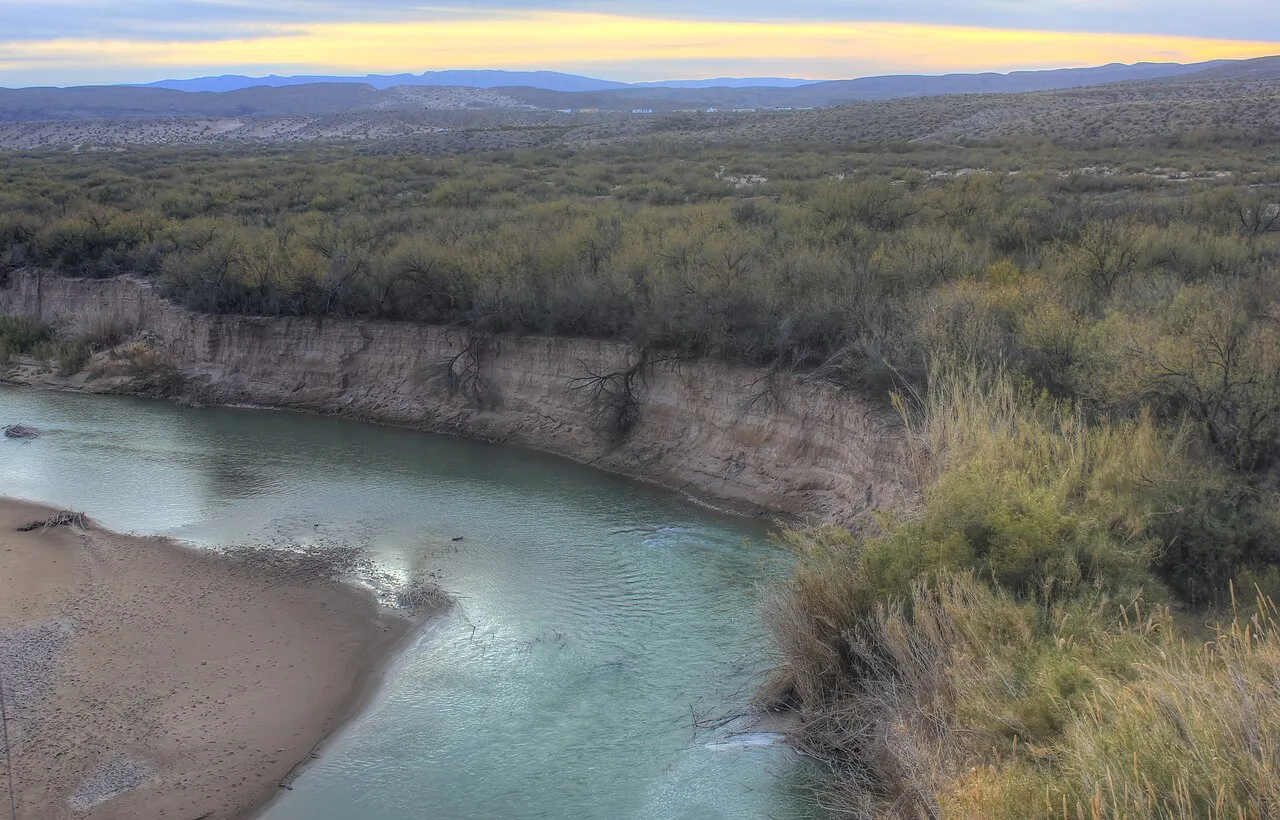
The geography is part of the argument. The Big Bend stretch covers 517 miles, more than a quarter of the entire U.S.-Mexico border, and it registers the fewest apprehensions of any sector on the southwest border.
The 1996 law the case turns on
Two homeland security secretaries — Kristi Noem and then the current secretary, Markwayne Mullin — signed waivers setting aside dozens of environmental and conservation rules for the project. Both leaned on the Illegal Immigration Reform and Immigrant Responsibility Act of 1996, which the department reads as authority to waive all legal requirements it deems necessary to build barriers and roads along the border.
The majority wrote that the statute shows "a clear preference for expeditious border construction," and said the government was "exceedingly likely" to prevail on its argument that a challenge of this kind needs a constitutional violation rather than a disagreement over how to read a statute. Cardone's order, the court said, "impedes the Government" in advancing its "compelling interests" in border security, and that interest "outweighs any aesthetic, recreational and environmental harm alleged by" the plaintiffs. The court also found that the government suffers "permanent harm" from the cost of a project left half-built.
What is planned, and who sued
The work at issue is part of a stretch of more than 500 miles of barriers, cameras and sensors that cuts through Big Bend National Park. The suit was brought by the Center for Biological Diversity, Friends of the Ruidosa Church, and a river guide and landowner from the Big Bend area.
Eric Glitzenstein, a lawyer for the plaintiffs, had warned the justices that lifting the injunction would let the government "immediately resume blasting, bulldozing, road construction." Laiken Jordahl, the Center for Biological Diversity's national public lands advocate, called the decision "horrific" and pointed out that the court had ruled only on the injunction and not on the merits of the case.
One figure carries the whole dispute, and the two sides read it in opposite directions: 517 miles of border with the lowest apprehension numbers in the system. For the administration, that is a gap to be closed before it is exploited. For the plaintiffs, it is evidence that the waiver statute's "high illegal entry" condition was never satisfied in Big Bend in the first place.
Reporting from UPI and the El Paso Times (USA TODAY Network).