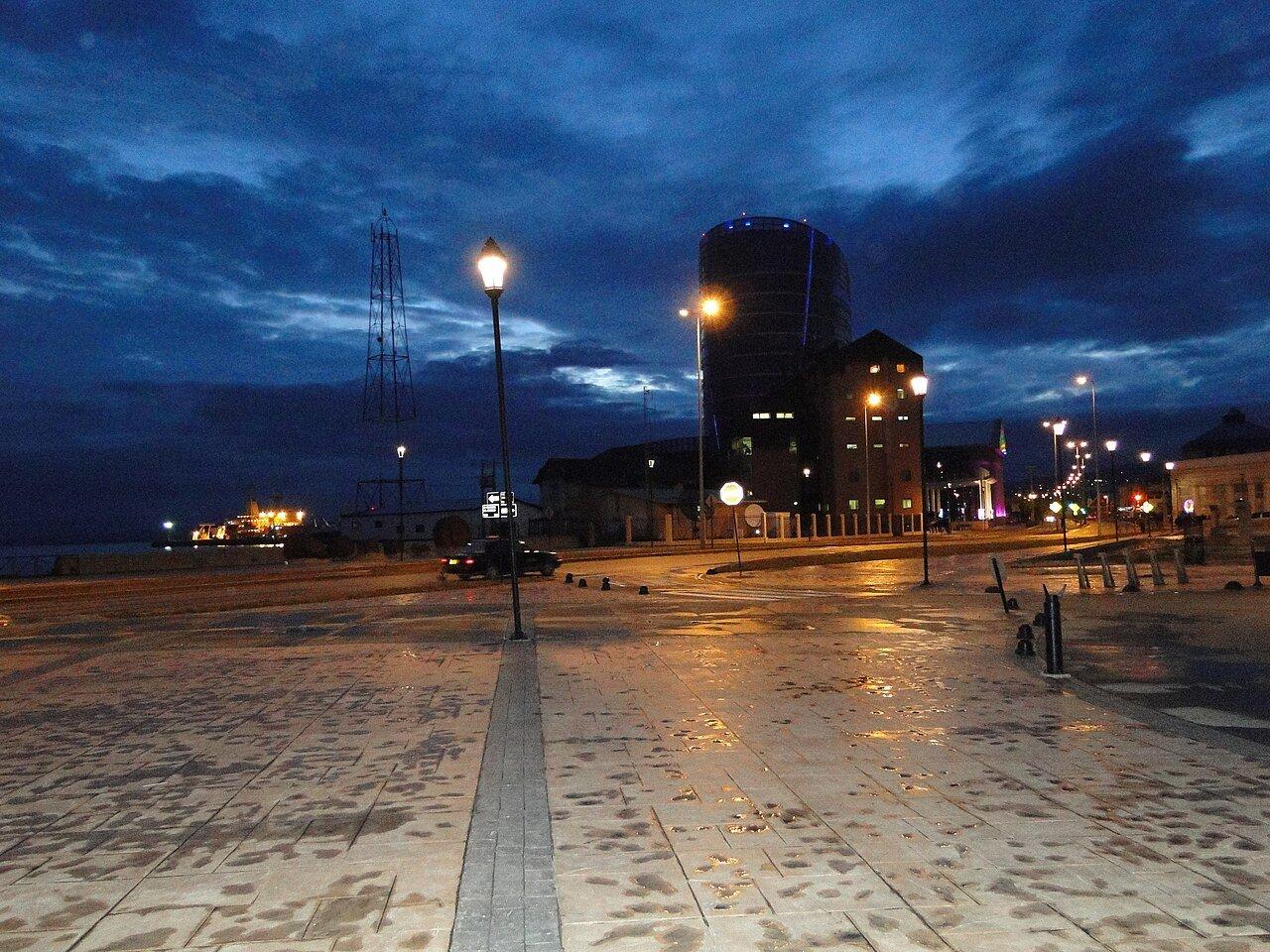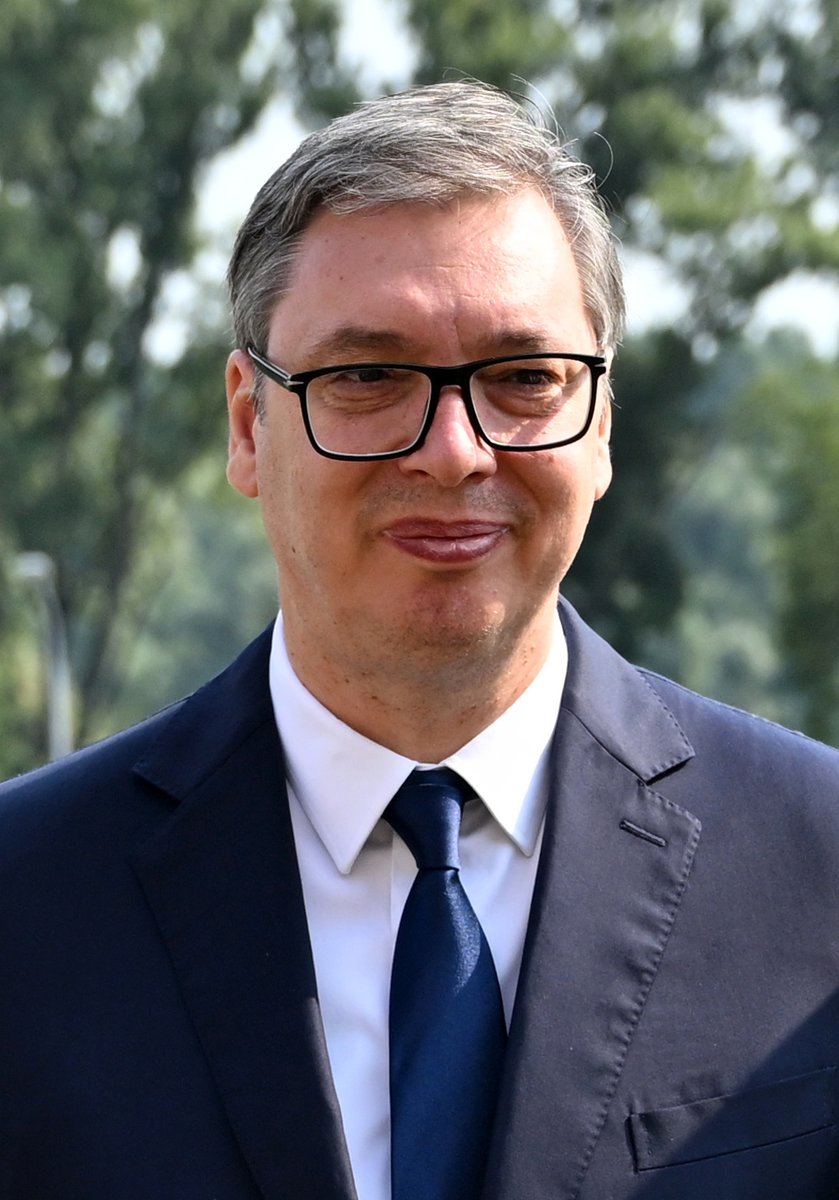
Aleksandar Vučić announced on Sunday night, at the Presidency building in Belgrade, that he was stepping down as president of Serbia. "I am resigning the duty of the President of the Republic," he said. "Tonight is a very special occasion for me, my last evening in this beautiful building."
His departure cuts short a term that would have run to May 2027 and closes twelve years in which Vučić alternated between the country's two most powerful offices — prime minister and president. His party, the Serbian Progressive Party (SNS), has been in power for fourteen years.
Nearly two years of protests
The protest cycle that led to the resignation began on 1 November 2024, when the concrete canopy of the recently renovated railway station in Novi Sad collapsed and killed 16 people. The accident became the symbol of a wider grievance — shoddy public works, opaque contracts, nobody held to account — and the streets were taken over by a movement led by university students that stayed active for almost two years.
Who takes over, and what comes next
The presidency passes to Ana Brnabić, a former prime minister and the outgoing speaker of parliament, as acting president until a successor is elected. Under the Serbian constitution, the first round of the presidential election must be held within 90 days — that is, still in 2026.
Before that comes the ballot that matters to Vučić: the snap parliamentary election is set for 25 October, for the 250 seats of the National Assembly (Narodna skupština). He will run on the SNS list, with the declared aim of taking over the prime minister's office. The constitution barred him from seeking a third presidential term.
An organised opposition
On the other side is a list born of the street movement itself, with 250 candidates — university professors, schoolteachers, athletes and other names with no party career — backed by the Democratic Party and other pro-European Union opposition groups. Analyses cited by Euronews point to a tight race between the SNS and that front.
In the hours before the announcement, in an interview with CNN, Vučić said he would acknowledge the result and congratulate his opponents the same evening if the opposition won.
A last act: 49 pardons
Still in office, Vučić pardoned 49 people. Twenty-three of them had been convicted in cases connected to the protests.
With information from Al Jazeera and Euronews.